Makera Z1: Beijing DTC Brand Raises $6.91M in 30 Days, Setting a New Crowdfunding Benchmark
Crowdfunding Analysis · · PledgeRadar Editorial
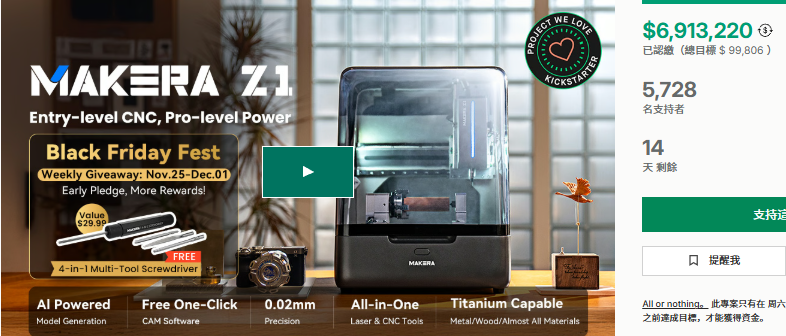
The Makera Z1 has achieved a historic crowdfunding milestone for a desktop manufacturing tool on Kickstarter. Surpassing its initial goal of approximately $99,800, the campaign has raised an impressive $6.91 million from 5,726 backers. As of November 28th, the project remains active in its crowdfunding phase.
Early Reviews and Backer Questions
Several professional review channels have received prototypes and conducted initial functional tests. Community discussions are primarily focused on three key concerns: the specific delivery timeline, the completeness of accessory bundles, and whether the mass-produced units can maintain the same engineering consistency as the prototypes.
High Precision and Spindle Control
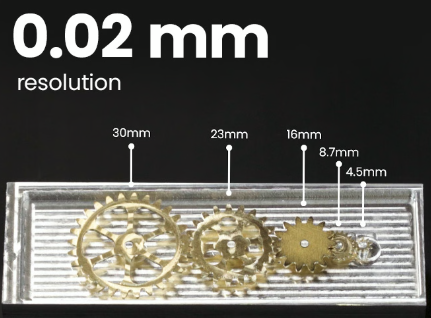
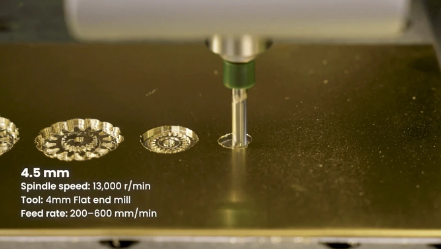
The Z1 boasts a claimed machining resolution of 0.02mm and a spindle runout accuracy of 0.01mm. If mass-produced units can maintain this level of precision, the device would be capable of fine machining light metals and producing parts with tight tolerances.
Achieving such precision relies on several technical foundations: a high-rigidity machine body design, the selection of precision ball screws and linear guides, and meticulous control over spindle concentricity and thermal stability. These elements are all critical and indispensable for determining the final engineering quality.
High-Torque Spindle and Quick Tool Changer
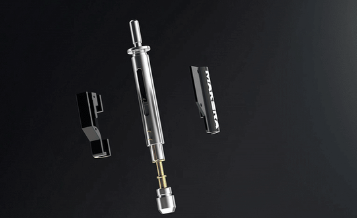
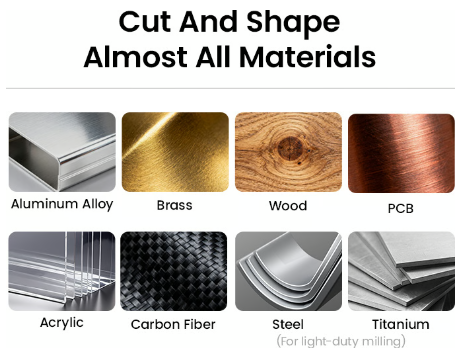
The device features a closed-loop, high-torque spindle (up to 13,000 RPM) and a QuickToolChanger mechanism, making it suitable for multi-tool workflows and machining light metals like aluminum.
However, actual cutting efficiency ultimately depends on tool selection, feed rate strategies, and cooling/chip evacuation capabilities. The optimized design of the AeroDust™ chip evacuation system is particularly crucial for maintaining stability during extended cutting operations.
Automatic Edge Finding and Tool Setting
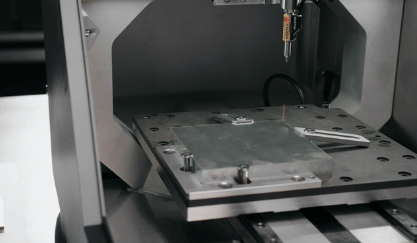
The integrated 3D probe, along with automatic edge finding and tool setting functions, can significantly reduce tool setting errors and manual setup time.
The reliability of this feature hinges on the probe's repeatability and the stability of the software compensation algorithms.
Modularity and Application Expansion
The Z1 offers several modular options, including a 4-axis rotary module for cylindrical machining, a 5W laser engraving module, a dust collection system, and an in-machine monitoring camera. Modularity significantly expands the device's range of applicable scenarios. However, the mechanical repeatability during each module switch and the integrity of the safety interlock mechanisms directly determine the product's reliability in practical use.
Smart CAM and AI-Assisted Workflow
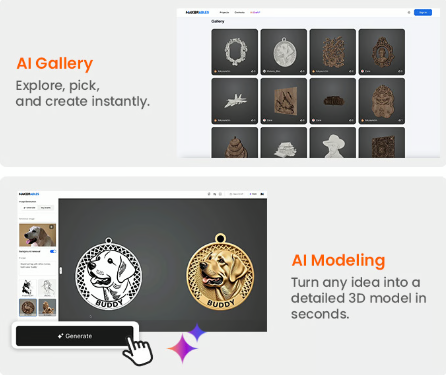
The MakeraStudio and Makerables platforms offer one-click CAM and AI-assisted modeling features, significantly lowering the barrier to entry for beginners and enabling non-professionals to quickly generate machining programs.
For professional users, automatic toolpath generation is an efficiency tool, but manual adjustments are still required to optimize cutting parameters and fixture arrangements for different machining scenarios.
Company Profile: Beijing Zaowu Shidai Technology Co., Ltd.
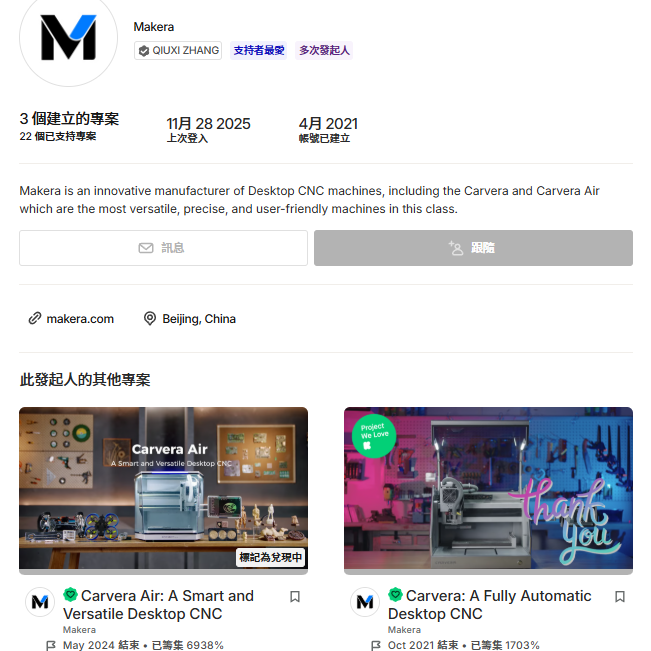
According to disclosed information, Makera is a brand of Beijing Zaowu Shidai Technology Co., Ltd., a company primarily focused on desktop CNC and digital manufacturing products, with its headquarters and main operational base likely located in Beijing. Since 2021, the company has launched multiple desktop CNC products (such as the Carvera series) via Kickstarter, successfully attracting thousands of backers and repeatedly leveraging crowdfunding as a primary channel for product development and market validation.
Public records indicate that Makera's growth path is characterized by parallel crowdfunding, community building, and direct sales channels. Public information also shows that this emerging company completed its Pre-A round of financing on October 13, 2025, with Qiming Venture Partners as the investor.
Rapid Growth in the Desktop CNC Market
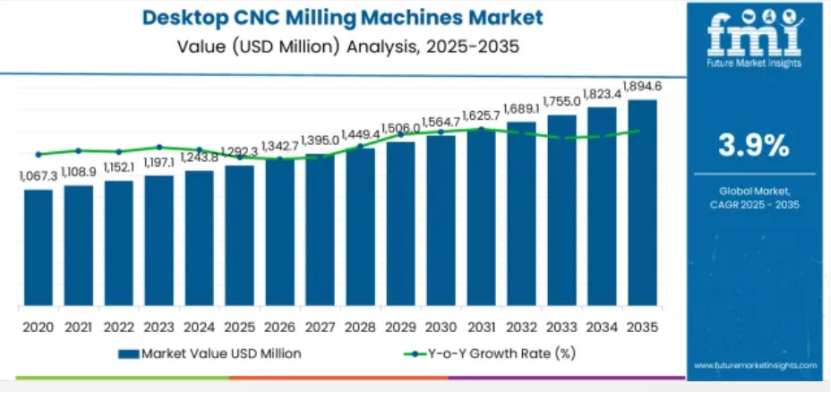
The desktop CNC market is currently in a rapid growth phase. Using desktop/light industrial CNC as a comparable metric, leading market research firm FutureMarketInsights estimates this sub-segment to be valued in the hundreds of millions to billions of dollars, projecting sustained expansion with a double-digit compound annual growth rate over the next few years.
While research institutions may differ on specific definitions, there is a consensus on the positive market outlook. The broader global CNC market is significantly larger, with multiple reports placing it in the tens of billions of dollars and maintaining moderate growth. Overall, desktop CNC represents the fastest-growing segment, driven by demand from maker education, DIY enthusiasts, small-batch manufacturing, and prototype development.
Key Demand Drivers
According to relevant research, current demand is driven by three user categories: makers and the education market seeking more user-friendly tools; small design studios and artisans requiring desktop devices capable of small-batch part processing; and corporate R&D and prototyping departments aiming to accelerate prototype validation cycles. Makera's high precision, integrated design, and intelligent features are well-aligned with these diverse needs.
Competitive Landscape and Future Outlook
In terms of the competitive landscape, the market includes established international brands (such as Carbide3D, BantamTools, and Nomad), as well as numerous Chinese and global manufacturers (e.g., Snapmaker holds a significant position in the multi-functional device segment). Core competitive factors include mass production engineering consistency, software usability and ecosystem, and a comprehensive after-sales service network. Makera's competitive advantage lies in rapidly building an order base and an active community through crowdfunding. However, its main challenge is consistently translating prototype-level performance into consistent output in scaled production and establishing a reliable global after-sales system.
The desktop CNC market is evolving towards higher precision, modular expansion, and software automation. If Makera can deliver on schedule, maintain mass production engineering consistency, address long-term thermal rigidity issues, and establish a robust after-sales support system, the Z1 has the potential to secure a long-term competitive position among professional enthusiasts and small studios.
Makera's main challenge is consistently translating prototype-level performance into consistent output in scaled production and establishing a reliable global after-sales system.