Solly Solid-State Power Bank: Can This 300W Portable Charger Deliver on Its 10-Year Lifespan Promise?
Crowdfunding Analysis · · PledgeRadar Editorial
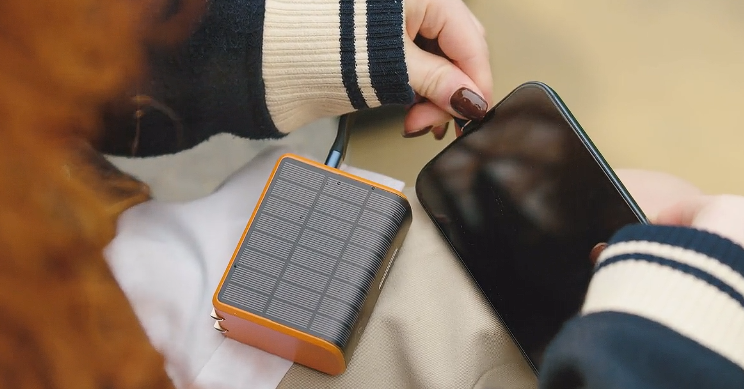
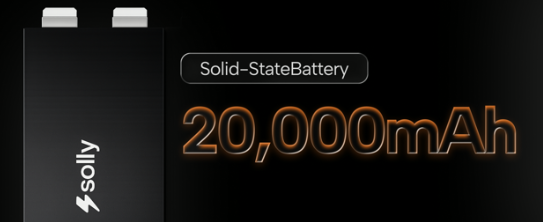
The portable power market is seeing a new wave of innovation with the introduction of the Solly solid-state battery power bank. Launching with an early-bird price point starting around $79 to $89, this 20,000mAh (74Wh) device claims to solve the degradation and safety issues plaguing traditional lithium-ion chargers. Boasting a massive 300W total output, a built-in AC outlet, and a 140W USB-C PD 3.1 port, the Solly aims to be the ultimate compact power station for tech enthusiasts and travelers alike.
High-Power Specs in a Compact Frame
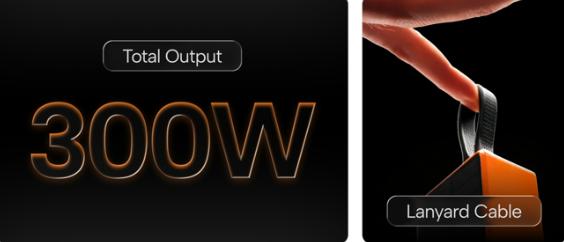
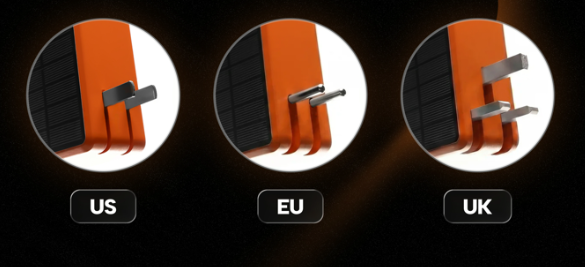
Solly stands out by integrating a built-in 110V/220V AC inverter alongside its high-speed DC ports. This allows users to power small household appliances and laptops that lack USB-C charging capabilities. For modern devices, the primary USB-C port supports the latest PD 3.1 protocol, delivering up to 140W of fast-charging power—enough to charge a MacBook Pro at full speed. When utilizing multiple ports, including the USB-A outputs, the device can output a combined total of 300W.
Despite these heavy-duty specifications, the Solly remains highly portable. Weighing approximately 500g and featuring a compact footprint of roughly 6 x 3.5 cm, it is designed to fit easily into a backpack. Its 74Wh capacity also sits safely below the 100Wh limit mandated by most international airlines, making it fully flight-approved.

The Solid-State Promise: 1,500 Cycles and 10-Year Lifespan
The core selling point of the Solly power bank is its transition to solid-state battery technology. Unlike traditional liquid lithium-ion batteries, solid-state cells use a solid electrolyte, which significantly reduces the risk of thermal runaway, punctures, and fires. This makes the device inherently safer to carry and use under heavy loads.
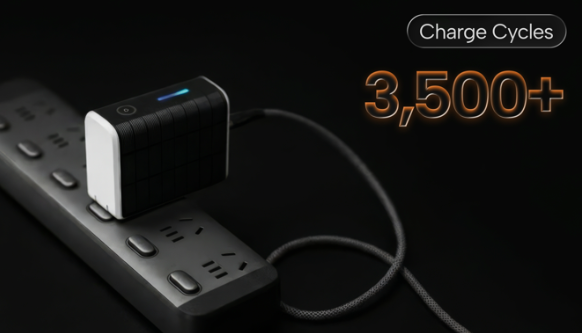
Furthermore, the manufacturer claims the battery can endure over 1,500 charge cycles before its capacity degrades to 80%. For the average user, this translates to an estimated 10-year operational lifespan. Traditional power banks typically begin to degrade significantly after just 300 to 500 cycles, making Solly's longevity claims highly attractive if they hold up under real-world testing.
Market Competition and Crowdfunding Realities
The high-capacity power bank market is highly competitive, currently dominated by established brands like Anker (with its PowerCore 24K), Mophie (Powerstation Ultra 25K), Xiaomi, and Baseus. While these brands offer reliable high-wattage PD charging, very few have successfully integrated solid-state cells or AC outlets into a pocket-sized form factor.
However, potential backers should approach this campaign with measured expectations. Solly is a relatively new player in the hardware space, operating through its domain sollypower.com. Developing and certifying solid-state battery tech for consumer markets involves strict regulatory hurdles (such as FCC, CE, and UL certifications). Crowdfunding campaigns for advanced battery tech frequently face manufacturing delays, supply chain bottlenecks, and discrepancies between prototype claims and final production units.
While solid-state battery technology represents the future of portable power, backers should weigh the ambitious 10-year lifespan claims against the typical delivery risks of early-stage hardware campaigns.