CarrGenie: The $740,000 Crowdfunding Campaign That Failed to Deliver
Crowdfunding Analysis · · PledgeRadar Editorial
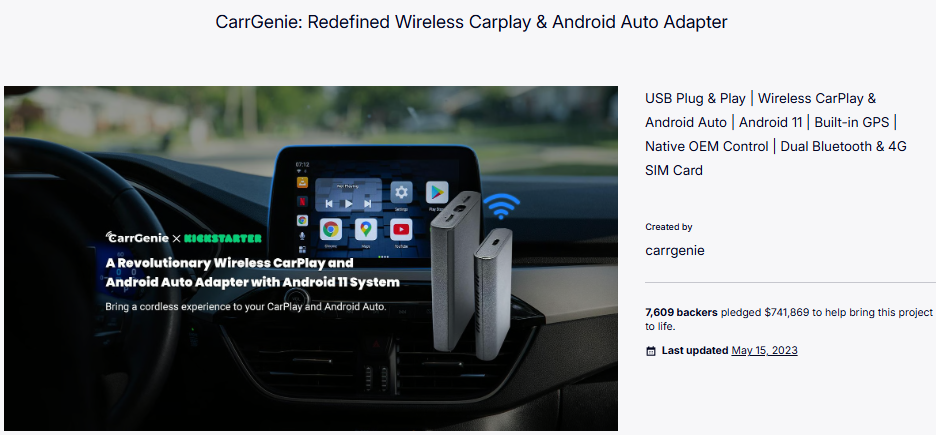
The CarrGenie project garnered approximately $742,000 in funding on Kickstarter, attracting over 7,600 backers. At the time, the crowdfunding success clearly demonstrated a strong market demand for wireless in-car solutions and indicated that the product concept effectively addressed a key user pain point. While similar products have since found significant market success, the CarrGenie project itself appears to have failed to deliver. The Kickstarter community page now hosts over 5,000 comments discussing this suspected scam.
Key Product Features
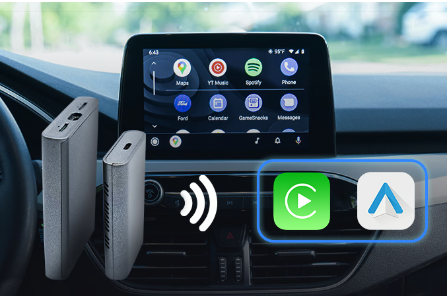
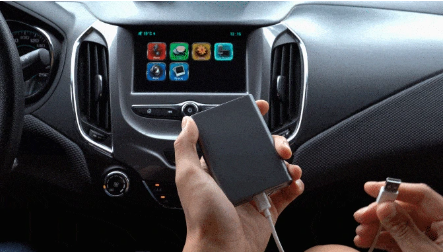
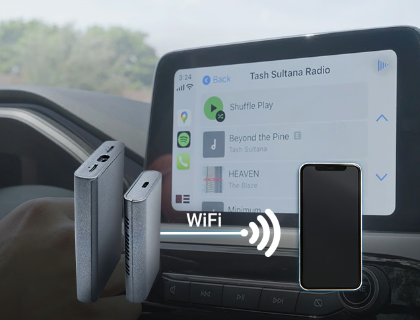
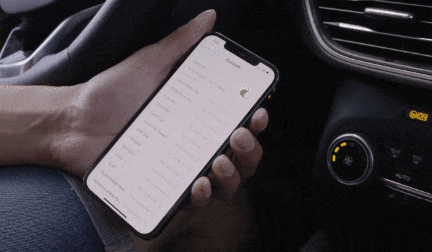
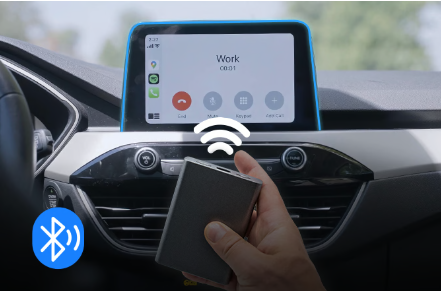
CarrGenie's primary appeal was its plug-and-play wireless solution. Without requiring replacement of the original car head unit, users could simply plug the device into a USB port to convert wired CarPlay and Android Auto into wireless connections. This 'USB-in-and-go' design significantly lowered the barrier to entry for upgrades, allowing car owners to enjoy a wireless mirroring experience without complex installation.
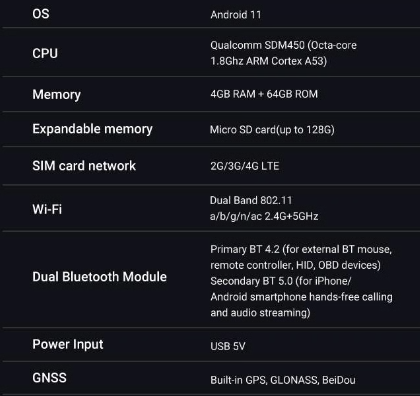
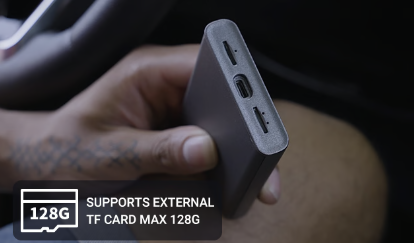
The project offered two versions to cater to different user needs. The Standard version focused on the core wired-to-wireless conversion, ideal for users seeking basic wireless mirroring. The Pro version, however, featured a full Android 11 system, 64GB of storage (expandable via TF card), and 4GB of RAM. This allowed it to function as a standalone in-car Android device, supporting app downloads and video playback.
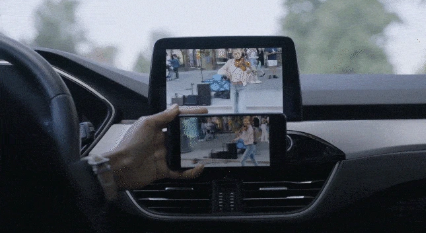
CarrGenie boasted a rich array of integrated features, including a GPS antenna, a SIM card slot (supporting 2G/3G/4G networks), Wi-Fi hotspot functionality, and dual Bluetooth modules. Powered by a Qualcomm SDM450 processor, the device also featured optimized heat dissipation and anti-interference circuit designs. Its split-screen function supported front/rear or left/right display divisions, enabling simultaneous navigation and entertainment content, particularly suited for passenger enjoyment.
The device promised enhanced driving convenience by eliminating cable clutter and enabling automatic connections. Even if a phone was disconnected, navigation and music playback could continue via the device's independent connection to the car's infotainment system, significantly improving the overall user experience.
CarrGenie positioned itself as a smart upgrade solution provider for original car head units, targeting the aftermarket accessories and smart in-car box segments. Its brand marketing strategy precisely focused on user pain points such as tangled cables, poor experiences with older OEM systems, and insufficient entertainment and navigation features. By offering a differentiated strategy that combined CarPlay and Android Auto compatibility with a full Android experience, CarrGenie aimed to carve out its niche in a highly competitive market.
Market Analysis
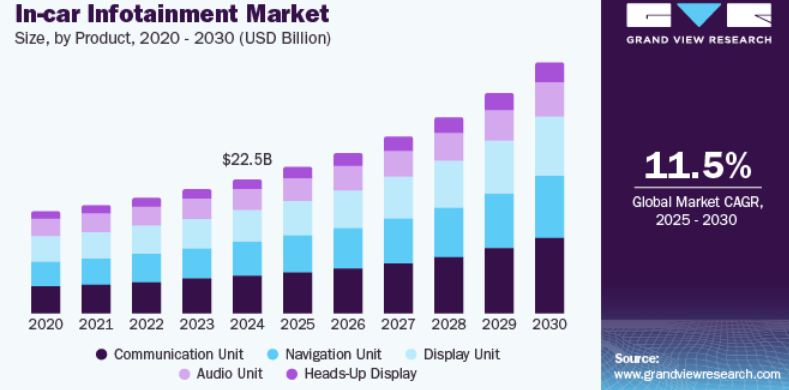
The market for wireless CarPlay and Android Auto adapters is experiencing rapid growth. Multiple industry reports indicate that this market reached a billion-dollar valuation in 2024 and is projected to maintain double-digit compound annual growth rates in the coming years. This expansion is primarily driven by the strong demand from car owners for upgrade solutions that don't require replacing the original head unit, as many vehicles are still manufactured with only wired connectivity, fueling a booming aftermarket.
Beyond the substantial demand for converting wired CarPlay vehicles, CarrGenie's unique integration of an Android system, SIM card support, and split-screen functionality also opened up niche markets such as entertainment modifications and passenger entertainment. These features held particular appeal for fleet operators, the taxi industry, and long-distance travelers.
However, the market presents a fiercely competitive landscape. Brands like AAWireless, Carlinkit, and Ottocast have already established strong positions, boasting mature user bases and sales channels. Significant variations exist across different car brands and infotainment systems in terms of touch response, operating logic, resolution, and protocol implementation, necessitating continuous resource investment for adaptation and firmware optimization. Furthermore, some automotive manufacturers maintain a conservative stance on third-party aftermarket solutions, potentially creating obstacles related to installation convenience, warranty policies, or regional regulations. These represent systemic risks that aftermarket participants must navigate.

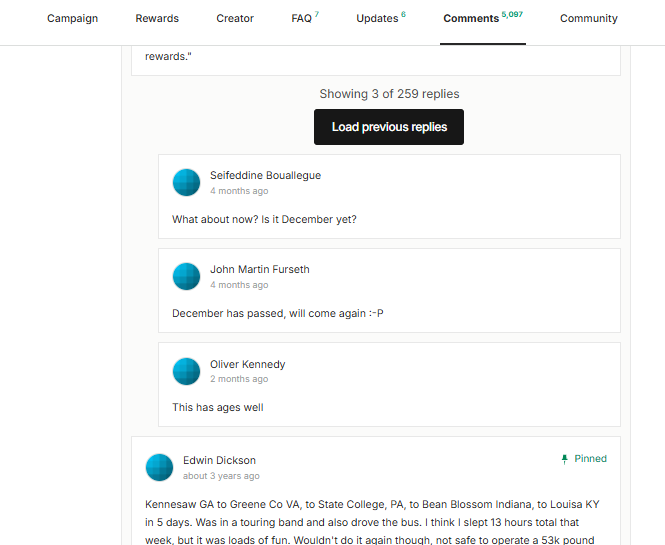
The Kickstarter community page now hosts over 5,000 comments discussing this suspected scam.