The TicWatch2: A $2 Million Crowdfunding Campaign Plagued by Delivery Issues
Crowdfunding Analysis · · PledgeRadar Editorial
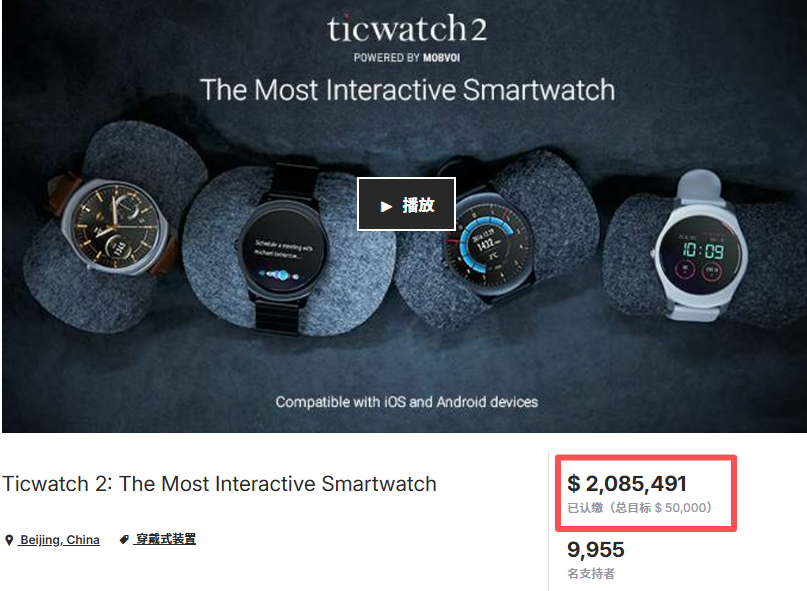
The TicWatch2 smartwatch campaign on Kickstarter garnered support from 9,955 backers, raising an impressive $2.08 million. Launched in 2016, the project's forum now hosts over 4,000 backer comments, with a significant majority expressing frustration, often labeling the creators as 'scammers!'
Backer Sentiment and Delivery Challenges
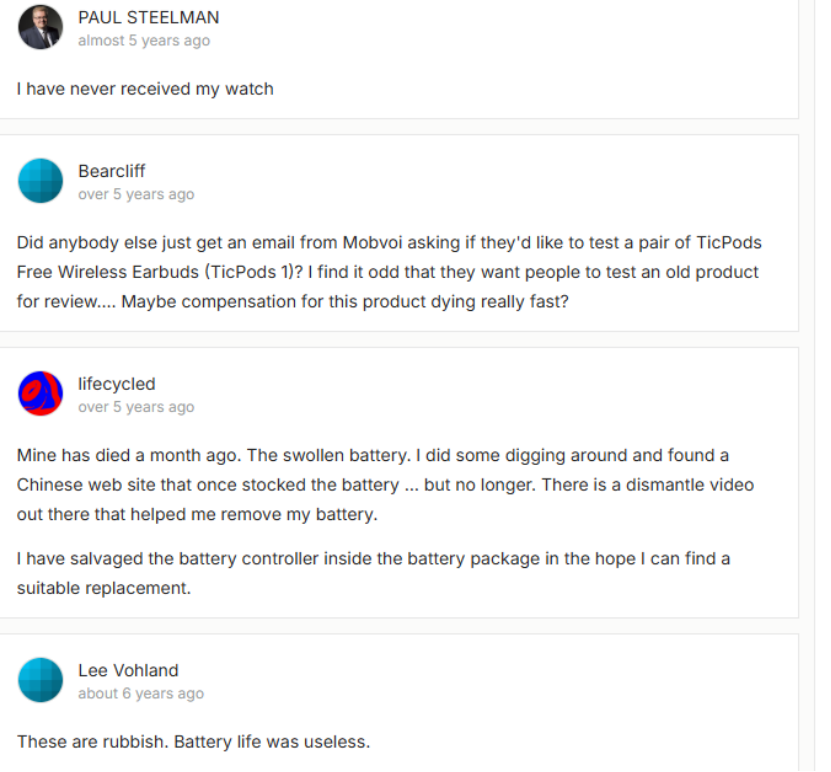
User feedback for the TicWatch2 showcased the common duality seen with wearable devices. Many early adopters, in their unboxing videos and reviews, praised the TicWatch's voice interaction and battery life, indicating that the product's core design was sound. However, the campaign later encountered significant problems with product delivery.
Even more surprisingly, many backers reported not receiving their initial pledges, and a substantial number felt deceived by subsequent attempts to fulfill orders.
Core Product Innovations
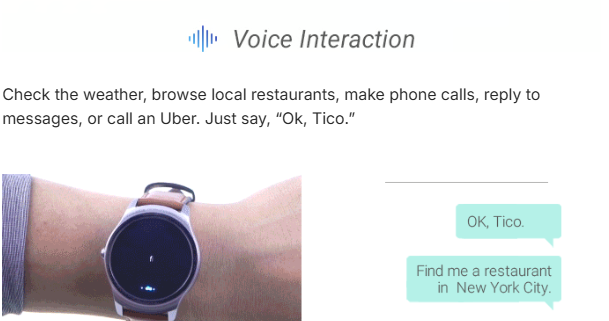
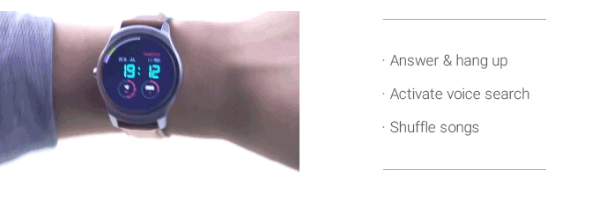
A key selling point was the voice assistant system, activated by the 'Ok, Tico' wake phrase, enabling direct voice commands for queries, dialing, and other operations. At the time, voice interaction was a crucial differentiator for wearables, particularly useful in hands-free scenarios like driving or running. However, the quality of the voice experience heavily relies on recognition accuracy and the stability of backend services, including network connectivity, language packs, and localization capabilities. Inconsistent voice services or inadequate multi-language support can directly impact user satisfaction, especially in non-English markets.
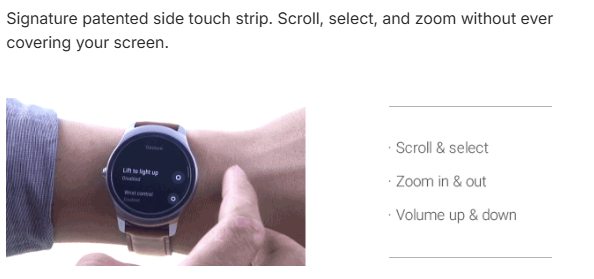
Another distinctive hardware innovation was the side touch strip, dubbed 'Tickle.' This allowed for scrolling, zooming, and selection actions via the watch's side, preventing fingers from obscuring the screen. From an interaction logic perspective, using side gestures on a small-screen device can indeed improve the user experience, offering an intuitive sense of convenience. Yet, such proprietary designs require time to validate hardware sensitivity, false-touch prevention, and long-term durability, alongside user education through tutorials and feature guides.
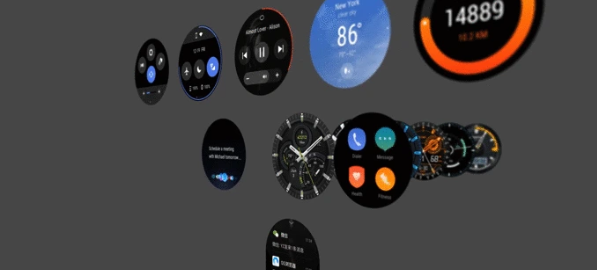
Instead of adopting the standard Android Wear solution, the TicWatch2 featured its self-developed TicwearOS and the 4-way interactive Cubic UI. This choice allowed the manufacturer greater innovation in interaction design, free from Android Wear's framework limitations, enabling a lighter, deeply integrated experience with their hardware. However, this also presented ecosystem challenges. The long-term viability of an operating system depends on third-party applications and continuous updates. An independent OS requires significant time and resources to cultivate a developer community and user base, otherwise risking limitation by mature platforms like WearOS and watchOS. Early user feedback confirmed this: while the interaction was engaging, the number of available applications was notably insufficient.
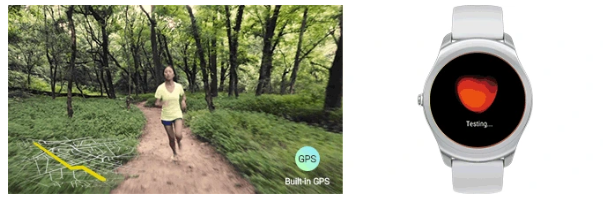
The product also boasted independent sport tracking capabilities, including heart rate monitoring, GPS, pace, and distance tracking. This allowed users to record running data independently without carrying a phone, with data syncing to their mobile device and Google Fit. The ability to exercise phone-free is a direct motivator for many smartwatch purchases. While these are technically mature features, sensor accuracy, GPS tracking stability, and battery life directly determine user satisfaction. Balancing sensor precision with battery longevity is a common challenge requiring continuous firmware optimization.
Mobvoi: The Company Behind TicWatch
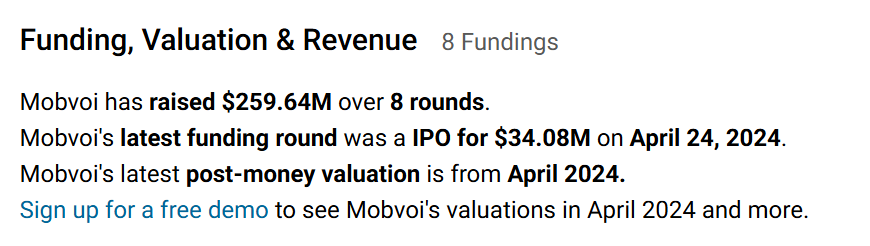
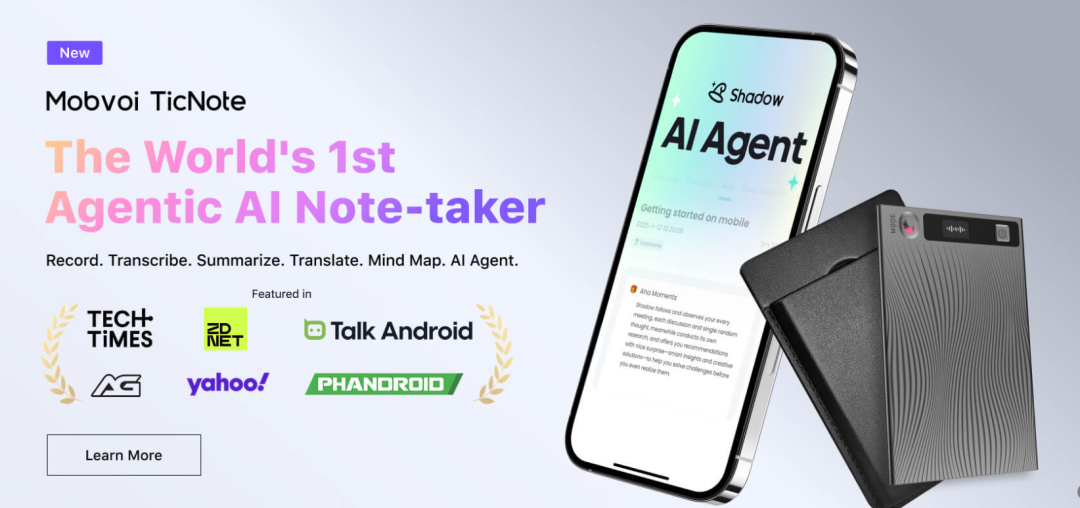
The TicWatch originates from Mobvoi, a Chinese AI and voice technology company. Initially focused on Chinese voice recognition and AI services, Mobvoi later extended its technological capabilities into the wearable device sector, launching the Tic series smartwatches. Mobvoi's trajectory is often cited as a successful example of transitioning 'from voice AI to hardware products.' The company leverages R&D and manufacturing resources in China's tech hubs like Beijing, Hangzhou, and Shenzhen, and first introduced the TicWatch to overseas markets via Kickstarter. Regarding funding, public databases indicate Mobvoi secured substantial capital across multiple funding rounds, with Seedtable, PitchBook, and CBInsights recording financing in the tens to hundreds of millions of dollars. The company also received technical attention or support from tech giants like Google at the ecosystem or project level. Overall, Mobvoi appeared to possess dual resources from Silicon Valley and China, along with significant financial strength, forming the foundation for its hardware development and successful crowdfunding.
Smartwatch Market Landscape
The smartwatch sector represents a substantial consumer electronics market. Data from Fortune Business Insights indicates the global smartwatch market size was approximately $33.6 billion in 2024, with significant growth projected by 2032. While estimates for historical baselines and compound annual growth rates vary among firms like Grand View Research and IDC, there's a consensus that health tracking, connectivity, and AI functionalities will be the primary growth drivers. Depending on the report, the market's compound annual growth rate over the next few years is expected to range from mid-to-high single digits to over ten percent. In terms of competitive landscape, Apple Watch dominates the high-end segment, while brands like Samsung, Garmin, and Fitbit (Google) hold significant shares in niche markets. New entrants and smaller manufacturers attempt to penetrate the market through price advantages, differentiated interactions, or unique voice/health features. Smartwatches have evolved from conceptual products into essential platforms for health and connectivity. Mid-range brands like TicWatch, which innovate in interaction and voice capabilities, have an opportunity to capture users in specific market segments.

The product's design was not problematic; it was the later delivery that encountered significant issues!