Remix Mini: A Crowdfunding Phenomenon and Its Unforeseen Aftermath
Crowdfunding Analysis · · PledgeRadar Editorial
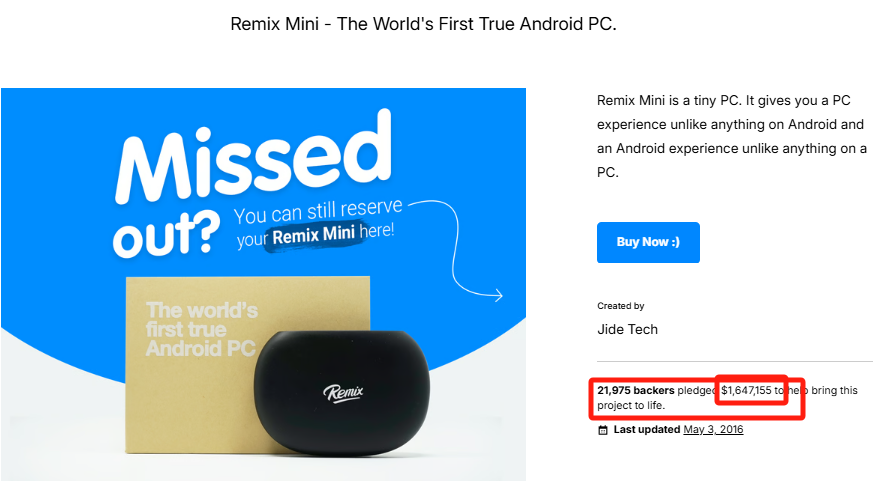
The Remix Mini project on Kickstarter attracted 21,975 backers, raising a total of $1.64 million. With a modest funding goal of just $50,000, the campaign hit its initial target in less than half an hour and surpassed $250,000 within 27 hours, far exceeding expectations.
Core Selling Points
The Remix Mini stood out with several key advantages that captivated backers:
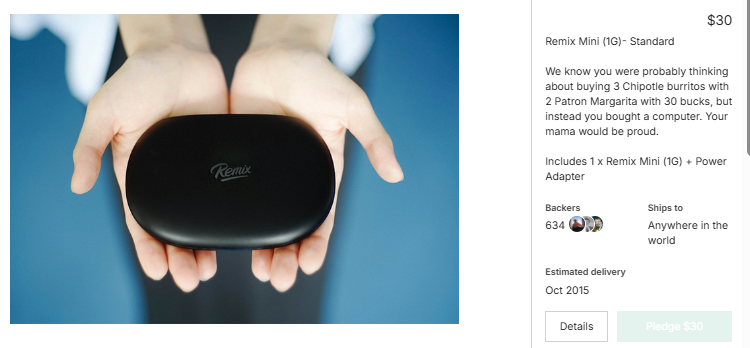
**Highly Competitive Pricing:** The basic version was priced at an incredibly low $30–$40. Even with shipping, this was significantly cheaper than most miniature PCs on the market, such as the Intel Compute Stick or budget Chromebooks.
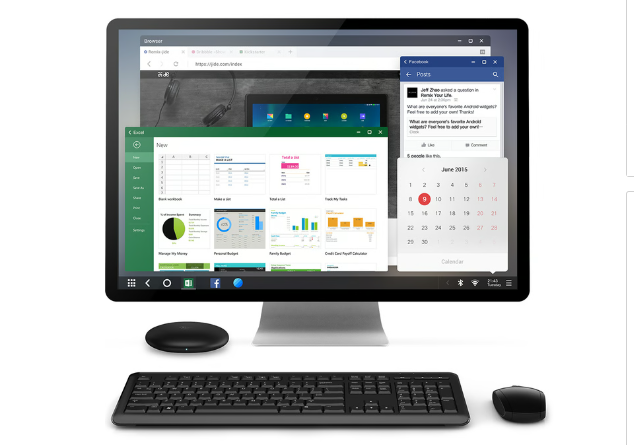
**RemixOS Operating System:** Based on Android Lollipop, RemixOS offered a desktop-centric interface with features like a taskbar, multi-window support, and full mouse/keyboard compatibility. This broke Android's traditional confinement to mobile devices, making it genuinely suitable for PC use cases.
**Low Power Consumption & Acceptable Performance:** Powered by a 64-bit Cortex-A53 quad-core processor, the device consumed only 10 watts. While performance was limited, it was sufficient for common office tasks and video playback.
**Practical Expandability:** It supported HDMI output (1080p/4K), Ethernet, USB, and microSD interfaces, allowing for easy expansion of keyboard/mouse, storage, and network capabilities.
**Community-Driven Development & Rapid Iteration:** The device supported over-the-air (OTA) updates, and users could participate in an 'Insider' program, with RemixOS receiving monthly updates to enhance the user experience.
Jide Technology: From Google Roots to Consumer Exit
Jide Technology's founding team was touted as highly experienced, reportedly established by three core engineers who previously worked at Google, bringing deep technical expertise. The company initially launched the RemixOS desktop system and developed corresponding hardware, such as the Remix Ultra tablet. After its initial push into desktop Android products, Jide further cultivated the market with the Remix Mini.
However, despite the product's market recognition, Jide announced its withdrawal from the consumer business in 2017 to focus on enterprise and education sectors. Consequently, the original RemixOS project ceased updates. Many customers are currently seeking refunds on Kickstarter, highlighting the long-term support challenges.
Market Positioning and Trends
**Broad Target Audience:** The Remix Mini appealed to a wide range of users, including those with limited budgets, educational institutions, media center enthusiasts, and individuals keen to experiment with a desktop-grade Android experience.
**Hardware Comparison:** It was conceptually similar to devices like the Raspberry Pi and Intel Compute Stick but offered a significantly lower price point. Compared to streaming devices such as Chromecast or Fire TV, the Remix Mini provided a complete desktop experience, making it more versatile.
**Competitive Landscape in Miniature PCs:** Competitors in the miniature PC segment included x86-based small PCs (e.g., NUC, Geekom, ACEMAGIC F3A) and Android-x86 systems like PhoenixOS and PrimeOS.
**Current Market Trends:** The miniature PC market continues to expand, supporting both home office and entertainment applications. The trend of Android desktop integration faces limitations due to the application ecosystem, but the Remix Mini was an early attempt to enter this space. Despite its performance constraints, it remained attractive as an experimental device or a low-cost, multi-point deployment terminal.
The Remix Mini's Legacy
The Remix Mini's success on Kickstarter was driven by its highly competitive price, custom desktop Android operating system, practical hardware interfaces, and remote update mechanism. As Jide's significant attempt to embed the RemixOS philosophy into the desktop PC market, the Remix Mini demonstrated high market potential and a strong community foundation.
Although Jide later pivoted to enterprise business, its product roadmap and team capabilities provided valuable experience for Android desktop exploration and paved the way for subsequent competitors like PhoenixOS.
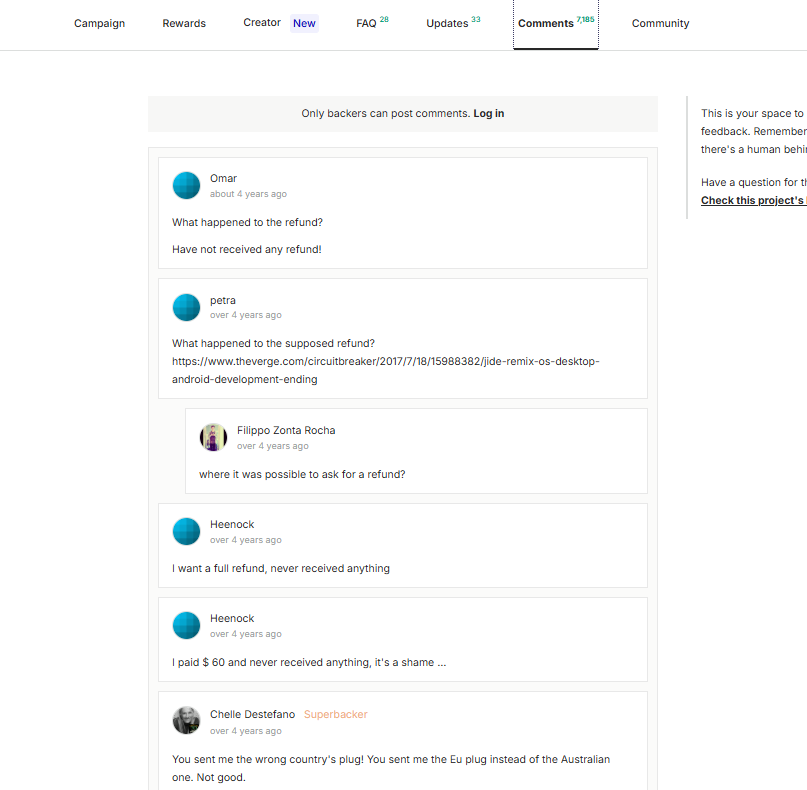
Although the product gained market recognition, Jide announced its withdrawal from the consumer business in 2017, focusing on enterprise and education, and the original RemixOS project ceased updates. Many customers are currently seeking refunds on Kickstarter.