DnsysZ1 Exoskeleton Campaign Surpasses $1.2 Million on Kickstarter in Days
Crowdfunding Analysis · · PledgeRadar Editorial
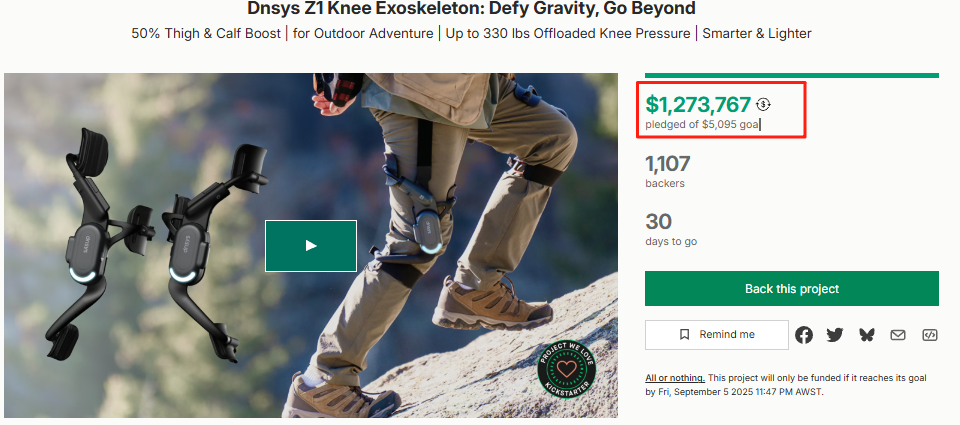
The DnsysZ1 exoskeleton device has demonstrated remarkable market appeal on Kickstarter. To date, the project has garnered the trust of 1,106 backers, successfully raising approximately $1.273 million. This impressive fundraising performance not only reflects strong consumer demand for innovative exoskeleton technology but also underscores Dnsys's precise product positioning and market strategy. With approximately 30 days remaining in the crowdfunding campaign, the project offers three different versions for consumers: a 225W single-joint model, a 450W aluminum-carbon fiber mid-range dual-joint model, and a high-end titanium alloy Pro version. Each version features corresponding early-bird and future retail pricing, providing flexible options for users with varying needs.
Product Core Selling Points
**Power Performance Advantages**
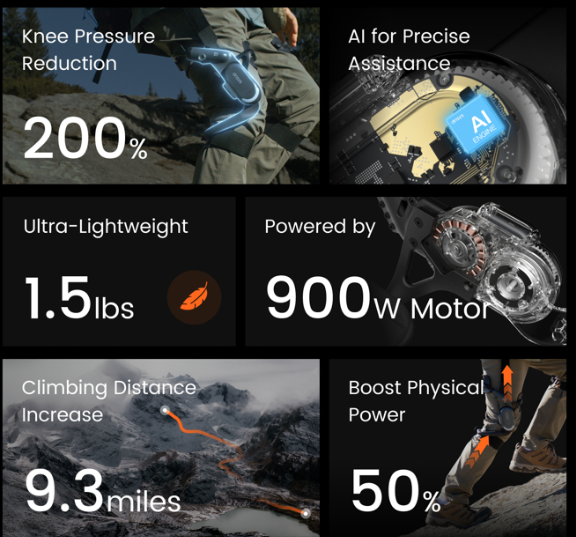
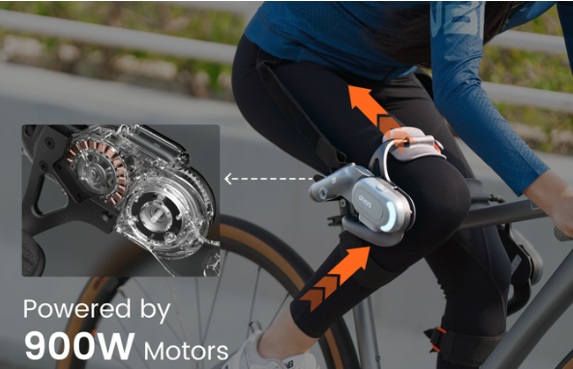
50% Assistance Boost: Equipped with a dual-motor system delivering a total output of 900W, the DnsysZ1 specially transmits power to both the thigh and calf, providing significant power enhancement for outdoor activities like cycling and hiking.
Up to 330 lbs Pressure Reduction: Offers powerful support during downhill walking, capable of reducing knee load by up to 200% of body weight, effectively enhancing walking stability and safety.
Significant Weight Reduction Sensation: Users can experience a feeling of lightness, as if their body weight has been reduced by 44 pounds (approximately 20 kg), during actions such as standing, jumping, and climbing.
**Design and Portability**
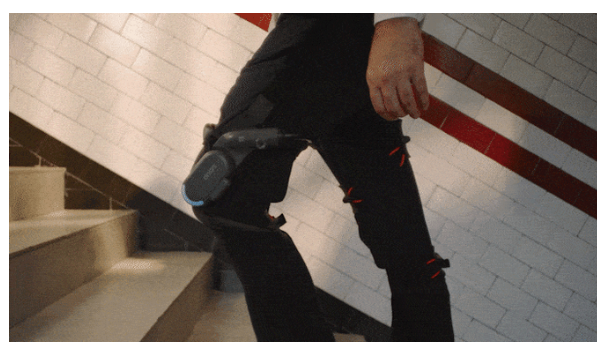
Lightweight and Portable: Each leg weighs only about 1.5 pounds (approximately 680 grams), adding a total system weight of about 3 pounds. It can be donned in just 15 seconds, significantly lowering the barrier to use.
Robust Outdoor Adaptability: Features an IP54 dust and water resistance rating, withstands low temperatures down to -20°C, and incorporates a structural design combining carbon fiber with elastic woven materials to achieve a perfect balance of durability and comfort.
**Smart Technology Features**
AI Smart Response: Integrates a multi-sensor system, AI algorithm model, and dual-core processor, enabling precise recognition of user movements within 0.01 seconds. It automatically switches between assistance modes for walking, running, cycling, jumping, and squatting, while also learning user gait characteristics to provide personalized support.
Battery Regeneration Design: Supports downhill kinetic energy recovery technology, offering approximately 5 hours of battery life. The battery maintains 80% capacity after more than two years of use.
Multi-Version Configuration: A product line ranging from a basic version to a high-end titanium alloy model caters to different user intensity requirements and budget considerations.
Brand Story
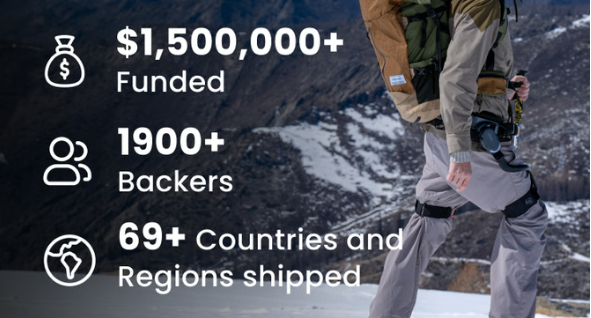
Dnsys, an innovative company focused on AI-driven human exoskeletons and smart wearable products, was founded in 2021 by robotics experts from renowned tech companies such as DJI, Segway, and Xiaomi. The company possesses extensive product development and market operation experience in the exoskeleton field. Its predecessor, the X1 hip exoskeleton, successfully crowdfunded over $1.5 million on Kickstarter in 2024, earning recognition from more than 1,900 backers. The product was delivered on time and received positive feedback and high praise from users.
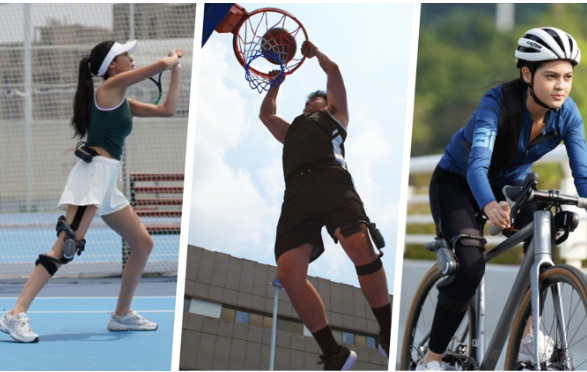
In terms of technological R&D, Dnsys demonstrates strong independent innovation capabilities, holding over 20 patented technologies. Its independently developed DNA-1 motor system and dedicated AI control algorithms highlight its core competence in hardware and software co-design. The brand is clearly positioned to serve outdoor sports scenarios such as hiking, mountaineering, skiing, cycling, and ball sports. Upholding its brand mission to "liberate knees and extend activity capacity," Dnsys is committed to providing technologically advanced, practical, and reliable exoskeleton solutions for outdoor enthusiasts and professional athletes.
Exoskeleton Market Development Prospects
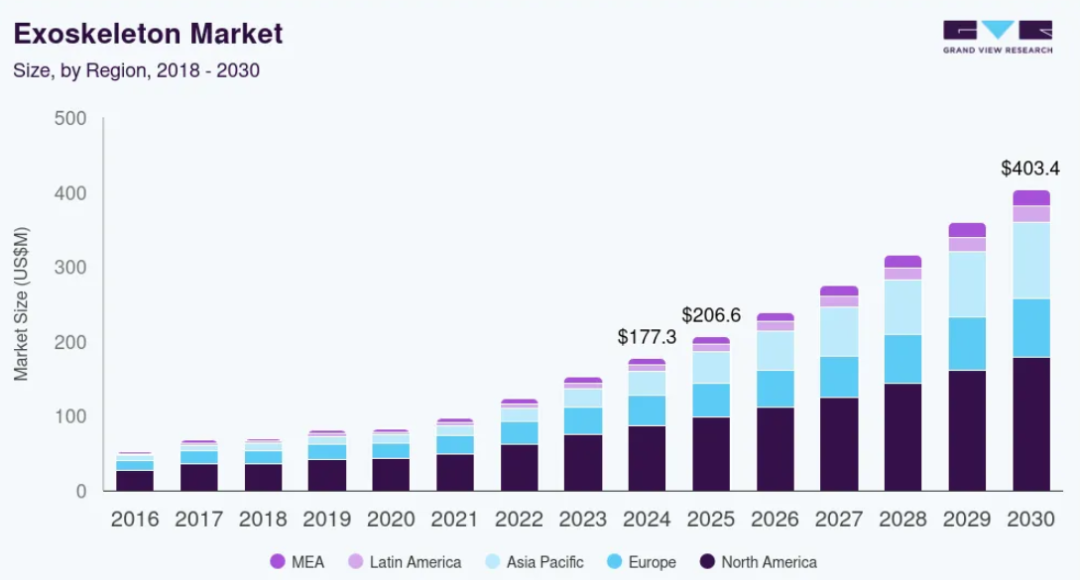
The global exoskeleton industry is currently in a rapid development phase, demonstrating significant market potential and growth momentum. According to market research data from GrandViewResearch, the global exoskeleton market size was approximately $498 million in 2024 and is projected to reach $1.25 billion by 2030, with a Compound Annual Growth Rate (CAGR) of 16.3%. MordorIntelligence offers an even more optimistic forecast, estimating the market size at $570 million in 2025, climbing to $1.48 billion by 2030, with a CAGR as high as 21.2%. MarketsandMarkets' analysis report even predicts a CAGR of up to 29.4% between 2025 and 2030, with the market size potentially exceeding $2 billion by 2030.
Within the segmented market structure, mobile (wearable) exoskeletons hold a dominant position, with lower-limb devices accounting for over 65% of the market share. Medical rehabilitation and outdoor sports are the primary application scenarios. The software component, including intelligent control systems and personalized algorithms, is expected to grow rapidly with a CAGR close to 30%, becoming a crucial engine for industry innovation.
Geographically, North America currently holds the largest market share, approximately 40-45%, primarily due to comprehensive medical insurance policy support, continuous R&D investment, and high market acceptance.
The Asia-Pacific region, meanwhile, exhibits the fastest growth rate, projected to exceed 23% annually. Driving factors include an aging population trend, infrastructure development demand, and the booming market for wearable medical devices.
The sports exoskeleton market, specifically targeting athletic performance enhancement and rehabilitation assistance, also shows broad prospects. Valued at approximately $56.26 million in 2024, it is expected to grow to $253 million by 2033, with a CAGR of 18.5%. Lower-limb devices dominate this niche segment, with target users encompassing professional athletes, outdoor sports enthusiasts, and individuals requiring rehabilitation therapy.
Liberate knees, extend activity capacity.