Artiphon INSTRUMENT 1: A $1.32 Million Crowdfunding Success Story with Delivery Challenges
Crowdfunding Analysis · · PledgeRadar Editorial
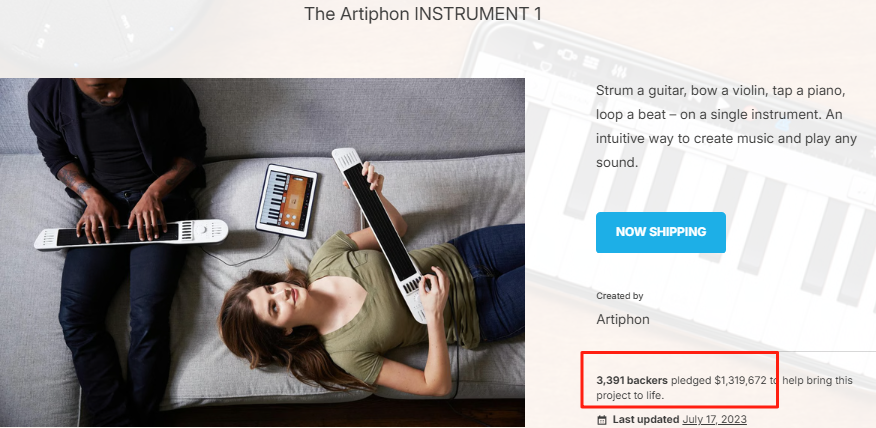
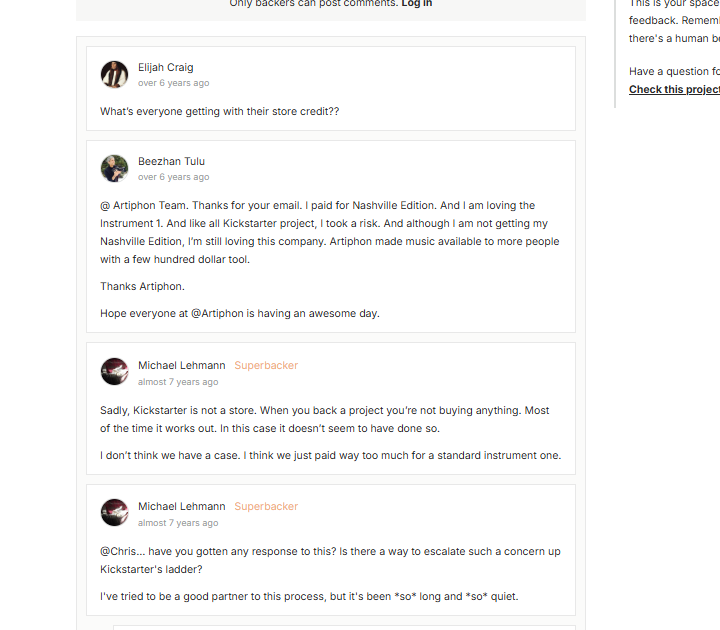
In 2015, Artiphon's INSTRUMENT 1 launched on Kickstarter, attracting 3,391 backers and raising a total of $1.32 million. This made it one of the platform's most notable musical instrument crowdfunding projects, offering valuable insights for product developers in this category. The project underwent multiple iterations and technical optimizations from its initial concept to the final product. While crowdfunding successfully met its funding goals and, crucially, built a loyal early user community that laid a strong foundation for subsequent market promotion and word-of-mouth, the campaign later faced challenges with product delivery.
Product Highlights
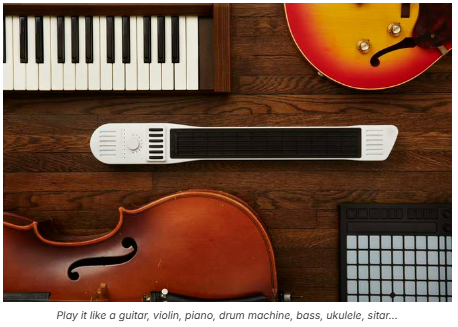
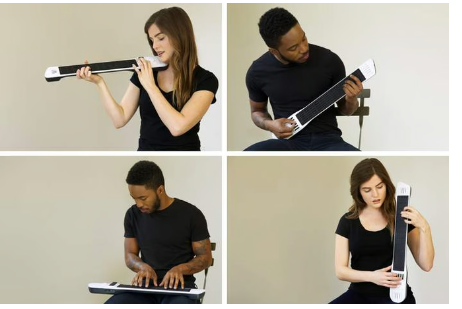
The INSTRUMENT 1 stands out for its multi-instrument simulation capabilities. A single device, through various playing gestures (strumming, bowing, tapping, sliding) and software presets, can emulate traditional instruments like guitars, violins, pianos, drum machines, and basses. It also supports the creation of entirely new hybrid instrument experiences, significantly lowering the barrier to music learning and inspiring user creativity.
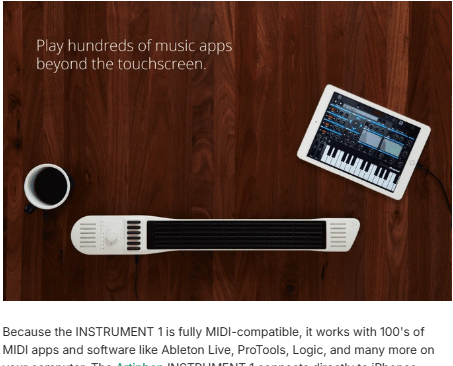
As a professional MIDI controller, the device supports the multi-channel expression (MPE) protocol. It connects directly to iPhones/iPads via a Lightning port and to computers via USB, ensuring high compatibility with major DAWs and music applications such as GarageBand, Ableton Live, and Logic Pro. This makes it particularly suitable for electronic music producers and mobile creators.
The innovative touch-sensitive interaction experience is a key feature. Its touch panel supports pressure sensitivity, fretless glides, string presses, vibrato effects, and capo functions, offering expressive capabilities akin to real string instruments. Additionally, it supports polyphonic aftertouch and pressure-sensitive effect control, creating a unique playing experience distinct from traditional MIDI keyboards.
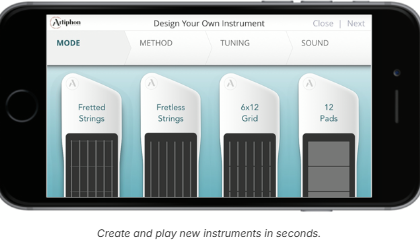
An accompanying official application allows users to quickly create and switch instrument presets, adjust touch sensitivity, and fine-tune tuning parameters. It supports on-demand customization for specific instrument configurations or learning modes, effectively reducing learning costs and extending the product's usable lifespan.
Designed to be lightweight and compact, the INSTRUMENT 1 features a built-in speaker and battery system. It can connect directly to a phone or tablet for instant play, making it ideal for street performances, music education, home entertainment, and quick adoption by content creators.
Brand Profile: Artiphon
Artiphon was founded in 2011 by Dr. Mike Butera, who brings a background in sound research and performance experience. The team is dedicated to making music creation more intuitive and inclusive. The brand positions itself with both technological innovation and a cultural-educational mission, emphasizing the accessibility of musical experiences. Following the market success of INSTRUMENT 1 as its early flagship product, Artiphon has continued to release devices focused on hand-based playing and improvisation, such as the Orba, and is actively exploring collaborations in AR technology and social music applications.
Market Landscape and Competitive Analysis
The smart music device market is characterized by diverse development trends. Key target user groups include music beginners and content creators seeking convenient, portable tools that seamlessly connect with mobile devices. The education and rehabilitation markets also find unique value in the product's low barrier to entry and high customizability, making it suitable for classroom teaching, adult rehabilitation, and users with physical limitations. Furthermore, professional and semi-professional electronic experimental musicians require expressive devices capable of precise synthesizer parameter control via the MPE protocol.
The competitive landscape is primarily divided into three dimensions. Traditional MIDI controller and keyboard manufacturers like Novation, AKAI, and Native Instruments hold advantages in DAW integration, physical key layouts, and pad ecosystems. Emerging expressive controllers such as ROLI Seaboard, Eigenlabs, and Haken Continuum also emphasize MPE technology, haptic experience, and musical expressiveness, posing direct competition to Artiphon's core selling points. Finally, portable music devices and mobile applications like Jamstik and various iOS instrument apps focus on serving mobile users, prioritizing portability and immediate usability.
The touch panel supports pressure sensitivity, fretless glides, string presses, vibrato effects, and capo functions, offering expressive capabilities akin to real string instruments, while also supporting polyphonic aftertouch and pressure-sensitive effect control, creating a unique playing experience distinct from traditional MIDI keyboards.