Anycubic Photon P1: Semi-Industrial Resin 3D Printer Exceeds $1.3M on Kickstarter
Crowdfunding Analysis · · PledgeRadar Editorial
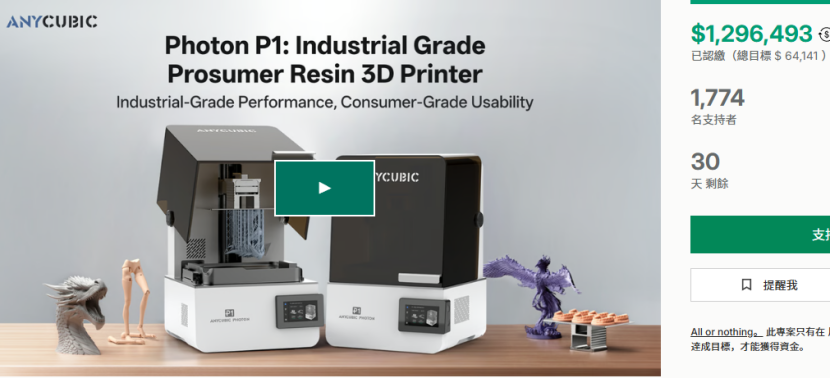
The Anycubic Photon P1 is a semi-industrial resin desktop 3D printer designed by Anycubic for high-end enthusiasts and small production lines. It caters to applications requiring high precision, high success rates, and broad resin compatibility, such as model making, figurines, dental applications, and small-batch functional part production. In just one month on Kickstarter, the Anycubic Photon P1 has raised approximately $1.3 million, attracting 1,773 backers for its $500 unit price. This achievement underscores strong market demand for high-end resin printing equipment. The project received live validation and early review feedback at professional exhibitions like Formnext and across multiple review channels. Media and professional reviewers praised its performance in high-viscosity resin compatibility and industrial-grade repeatable precision. However, as a high-specification hardware product, common backer concerns include the reliability of mass production validation, long-term durability, and practical environmental issues such as ventilation and odor management. Anycubic's track record in shipping and community responsiveness has, to some extent, mitigated user concerns regarding delivery risk.
Key Product Features
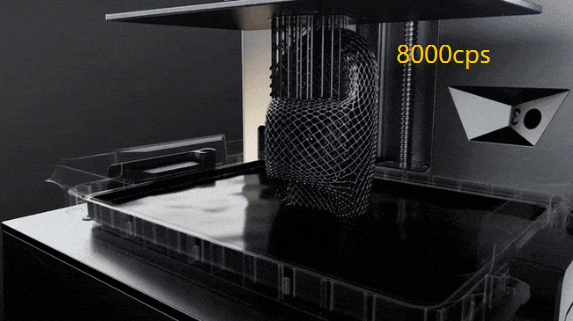
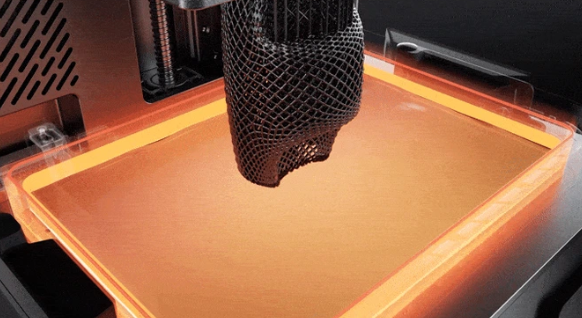
**High-Viscosity Resin Compatibility (up to ~8000cps)** The Photon P1 achieves compatibility with high-viscosity materials through an upgraded vat delivery system and intelligent temperature control (Intelligent DynamicLift and a temperature-controlled resin vat). This capability breaks through the material limitations of traditional consumer-grade resin printers, enabling the use of engineering resins, dental-specific materials, and elastomers on a desktop device. This significantly expands application scenarios and reduces process compromises often necessitated by material restrictions.
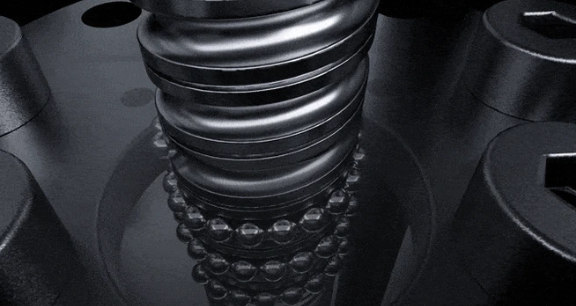
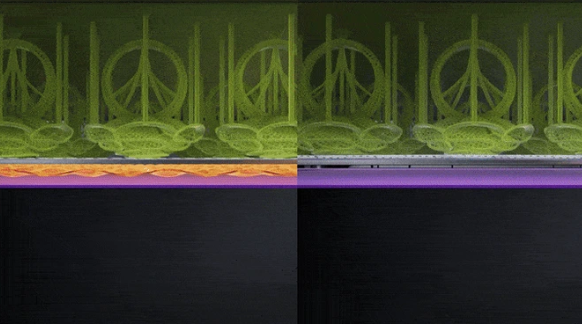
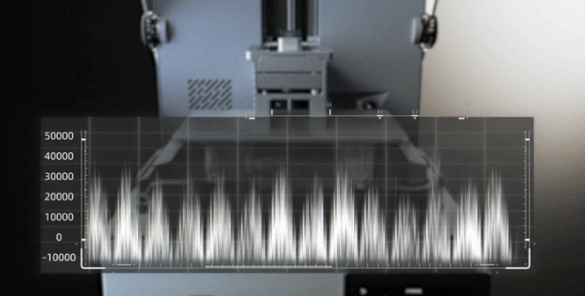
**Industrial-Grade Repeatable Precision and Low Release Force** The device incorporates an industrial-grade ball screw drive and WaveRelease waveform release technology. Its Z-axis repeatable precision reaches ±0.01 mm, and the release force is reduced by approximately 60% compared to traditional solutions. Combined with the highly uniform illumination optical system (LighTurbo 4.0), this ensures stability and consistency from the first print to batch production. It is particularly well-suited for applications with strict requirements for dimensional accuracy and batch repeatability, such as dental laboratory workflows and small-batch manufacturing.
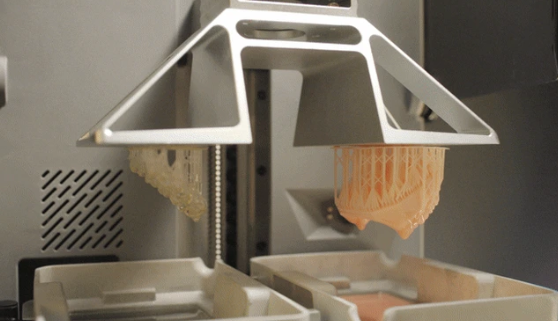
**Dual-Material/Dual-Color Synchronous Printing** The system supports a dual-resin vat design with independent parameter control at the software level, allowing separate exposure and process adjustments for each vat within a single print job. This capability significantly shortens production cycles and reduces subsequent assembly steps. It offers practical value for manufacturing integrated soft-hard dental components, creative dual-color figurines, and functional composite parts.
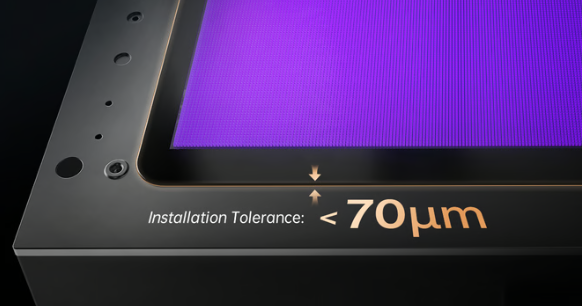
**Industrial-Grade Optical System and Smart Monitoring** Equipped with a 14K resolution LCD screen and over 92% illumination uniformity, the printer also features a built-in high-precision camera and AI monitoring system. The system can automatically identify potential print failures and send alert notifications, significantly reducing debugging time. This feature is particularly important for enhancing the operation of print farms, semi-automated production lines, and remote monitoring capabilities, facilitating scaled production for users.
**Production-Friendly Mechanical Design** The device offers quick-release resin vats and build plates, a large-capacity temperature-controlled resin vat, and an optional active exhaust system (AirPure unit), significantly reducing maintenance downtime. These design details are crucial for compliant operation in offices, shared workspaces, and small factories, effectively enhancing workplace safety.
Technical Realization and Anycubic's Market Strategy
The Photon P1's technical realization combines optical consistency, low release force, rigid mechanics, and hardware-level temperature control, representing a typical technological path from consumer-grade to semi-industrial/prosumer levels. Its true market test will lie in the long-term performance of optical screen replacement costs, waveform film durability, and the reliability and maintenance costs associated with high-viscosity material pumping and temperature control in large-batch applications.
Anycubic (Shenzhen Anycubic Technology Co., Ltd.) is a renowned manufacturer in the consumer and semi-industrial desktop 3D printer market, having established a broad user base globally. Its Photon series product line has long been positioned as a cost-effective resin printing solution, serving a range from global enthusiasts to small professional users. Anycubic's strategy leans towards scaled manufacturing and rapid product iteration. This approach defines its differentiated advantages in pricing and market coverage.
Market Landscape and Photon P1's Position
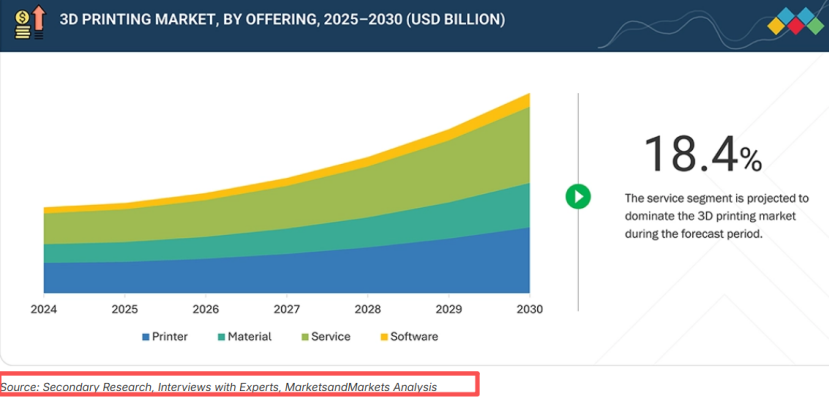
The global additive manufacturing and 3D printing market is in a phase of rapid expansion. According to data from authoritative market research institutions like MarketsandMarkets, the overall additive manufacturing market, encompassing equipment, materials, and services, shows strong expansion and high compound annual growth rates.
Within the photopolymer resin and precision resin printing sub-segment, market growth is particularly notable. Research data indicates a significant increase in demand for high-precision resin printing equipment in fields such as dentistry, jewelry, figurine modeling, and industrial prototyping. Specifically, the demand for high-viscosity engineering resins, dental-specific materials, and biocompatible materials is driving the entire market's upgrade from consumer-grade to semi-industrial levels, with this sub-segment projected for significant growth in the coming years. Key drivers for this market growth include the demand for small-batch customization in dental and medical devices, short-term batch production of figurines and IP-related merchandise, and the stringent requirements for stability and material compatibility in micro-manufacturing.
Regarding the competitive landscape, the market exhibits a clear stratified structure. Formlabs holds a dominant position in the professional SLA market, targeting dental, engineering, and professional clients with a strong material ecosystem and software service framework. Brands like Elegoo, Phrozen, and Creality primarily cater to the consumer and enthusiast markets, known for their price advantage and standalone performance, with the Elegoo Mars series being a representative product in this segment. Industrial suppliers such as EnvisionTEC and 3DSystems maintain a professional edge in the higher-end medical and industrial markets.
The Photon P1 is positioned at the prosumer/light production capacity level, aiming to offer industrial-grade features (high-viscosity compatibility, ±0.01mm precision, batch consistency) to a broader user base at a relatively accessible price point. This positioning places it in direct competition across traditional consumer-grade manufacturers and some lower-end industrial SLA equipment providers, targeting users with increasing professional demands who find industrial-grade investment costs prohibitive.
The continuous evolution of desktop and semi-industrial resin printers, particularly in supporting high-viscosity engineering resins and automated monitoring capabilities, is poised to become a crucial bridging tool between small factories, dental laboratories, and creator studios. This segment is expected to expand rapidly over the next five years, driven by industry segmentation, a maturing material ecosystem, and enhanced automated operation and maintenance capabilities.

The Photon P1's technical realization combines optical consistency, low release force, rigid mechanics, and hardware-level temperature control, representing a typical technological path from consumer-grade to semi-industrial/prosumer levels.