PledgeRadar Analysis: D01 Visual Soldering Iron on Kickstarter
Crowdfunding Analysis · · PledgeRadar Editorial
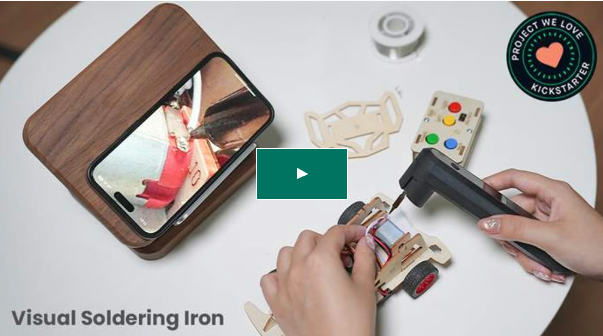
The D01, launched by Hong Kong electronics company FusionLab, is positioned as the world's first Wi-Fi visual wireless soldering iron. It features a built-in HD camera and 800-lumen LED illumination, projecting real-time solder joint visuals to a smartphone or tablet. This transforms traditional hunched-over, squinting soldering into a comfortable, screen-viewing, precision-focused experience, primarily suited for mobile and PCB repair, electronic prototyping, DIY projects, and classroom instruction. The D01 campaign ran for 40 days on Kickstarter, raising HK$676,000 from 749 backers, addressing a genuine need that was previously undefined in the market. Key discussions in the comments section centered on the performance of Wi-Fi screen mirroring latency during intricate soldering and whether the 40-minute battery life is sufficient for high-intensity repair scenarios. While the project creator addressed both points in the FAQ, independent test data to support these claims is currently unavailable.
Product Core Selling Points
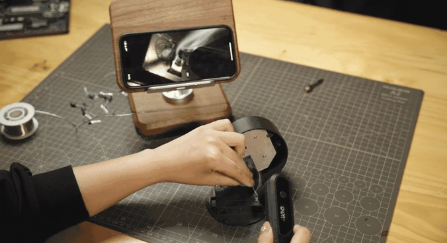
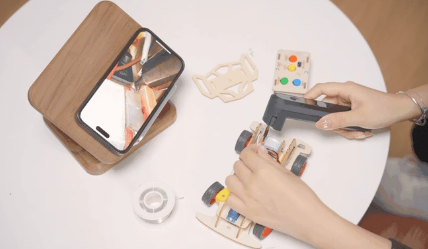
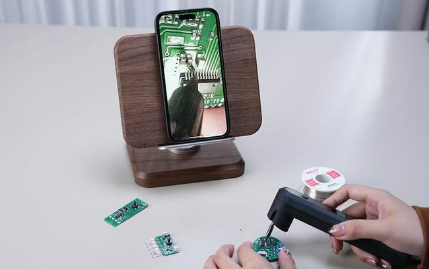
The D01 integrates an HD camera with a 50x optical magnification lens, streaming real-time soldering visuals via Wi-Fi to a dedicated iOS/Android app. Users can observe solder joint details clearly by sitting upright and viewing their phone screen, eliminating the need to lean in close or contend with work light shadows. Integrating the camera directly into the soldering iron tip, rather than using an external microscope, ensures the viewing angle remains coaxial with the solder joint. This design eliminates the common conflict between hand and lens space encountered with traditional desktop microscopes. A critical technical variable is Wi-Fi transmission latency. In congested network environments or over longer distances, screen lag can directly impact the real-time responsiveness of soldering operations. This is a common challenge for all wireless visual solutions and requires empirical data to quantify its impact.
An integrated 800-lumen, 80° wide-angle LED illumination system is coaxially positioned with the camera at the soldering iron's tip. This provides shadowless area lighting, ensuring solder joints remain clearly visible even in confined spaces or backlit conditions. Traditional desk lamp illumination often creates dark areas when hands and tools obstruct the light during soldering. The coaxial LED solution fundamentally resolves this issue. An output of 800 lumens is considerably high for a handheld device, and sustained operation will demand robust thermal management for the LED driver circuit and battery.
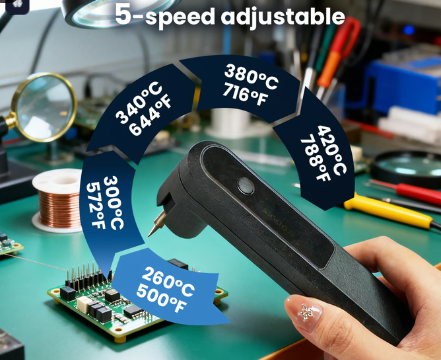
The D01 is equipped with a 3,000mAh 18650 lithium battery, supporting 45–60 minutes of continuous use on a single charge and allowing for pass-through charging. Five preset temperature levels cover 260°C to 420°C, with a body-mounted LED panel supporting Celsius/Fahrenheit switching. Heating to operating temperature takes approximately 9 seconds. The cordless design offers direct value for on-site repairs and impromptu use cases, while the five temperature settings provide sufficient flexibility for DIY and educational purposes. Under multi-load conditions, simultaneously driving full-power soldering, the camera, and high-brightness LEDs, actual battery life will likely be lower than the stated value—a known engineering trade-off in high-power concurrent scenarios.
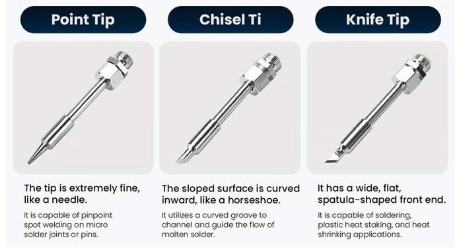
The D01 is compatible with widely available standard soldering tips. The package includes three tips: pointed, chisel, and knife, suitable for various tasks from fine SMD work to heavier solder joints. Adopting a universal soldering tip standard is a crucial decision for consumer-grade tools, reducing user lock-in costs and avoiding proprietary accessory supply risks. For users with existing tip inventories, the migration cost is virtually zero, representing an implicit appeal of the D01 to experienced users.
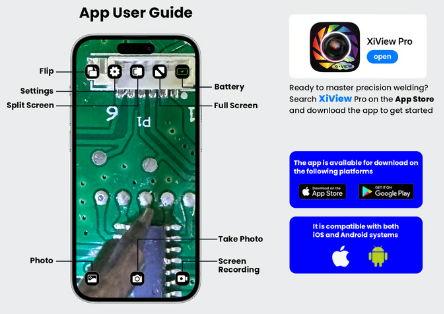
Beyond real-time preview, the accompanying app supports soldering footage recording, screenshots, and sharing, providing content output capabilities for online education, repair review, and technical demonstration scenarios. This feature is a genuine efficiency tool for creators and online educators. Previously, recording soldering processes required setting up additional camera equipment; the D01 integrates this recording capability directly into the tool. Data storage formats, video quality parameters, and the long-term maintenance of the app are practical factors influencing the sustained usability of this feature.
The D01 is launched by FusionLab, a Hong Kong electronics company focused on developing smart electronic tools for consumers. The D01 is their inaugural product for visual soldering applications. FusionLab has not publicly disclosed detailed company registration information or institutional funding records; current funding primarily comes from crowdfunding pre-sales. Throughout the campaign, the project team maintained an active response rate to technical questions and proactively disclosed product parameters and usage scenario demonstrations in their updates, indicating a relatively high level of information transparency for a hardware crowdfunding project.
Market Analysis
The handheld soldering iron market is a mature, stable sector with continuous expansion in the consumer segment. The global handheld soldering equipment market was valued at approximately $1.45 billion in 2024 and is projected to grow to about $2.63 billion by 2032, with a Compound Annual Growth Rate (CAGR) of approximately 6.7%. Growth is primarily driven by three factors: the ongoing proliferation of consumer electronics fueling demand for electronic manufacturing and repair, the gradual legislative progress of the Right-to-Repair movement in Europe and North America boosting the personal electronics repair market, and the increasing demand for visual tools within the Maker culture and STEAM education.
Hakko holds a dominant position with an 18% market share, while Weller and JBC collectively account for approximately 25%. These three leading brands together control about 65% of the market. Their core barriers to entry lie in years of accumulated brand recognition, extensive professional channel coverage, and established consumables ecosystems. In terms of competitive landscape, professional soldering brands like Hakko, Weller, JBC, and Metcal dominate the industrial and laboratory-grade markets. Their core competitive advantages are temperature control precision and comprehensive tool station ecosystems. Notably, none of the mainstream products from these brands integrate visual camera functionality. For DIY and portable applications, smart portable soldering irons like Pinecil and TS80P, powered by USB-C, offer competitive pricing and temperature control algorithms but also lack camera screen mirroring features.
The niche of visual soldering currently has virtually no mature competitors, establishing a clear differentiated position for the D01. The market risk lies in whether this feature combination truly addresses a critical user need or if it remains largely a 'nice-to-have' demonstration feature. Long-term retention rates and repeat purchase feedback post-delivery will be the ultimate metrics to validate this assessment.
This product appears to address a genuine need that was previously undefined in the market.