SmartThings: How an Early Smart Home Crowdfunding Project Grew to a $200M Acquisition
Crowdfunding Analysis · · PledgeRadar Editorial
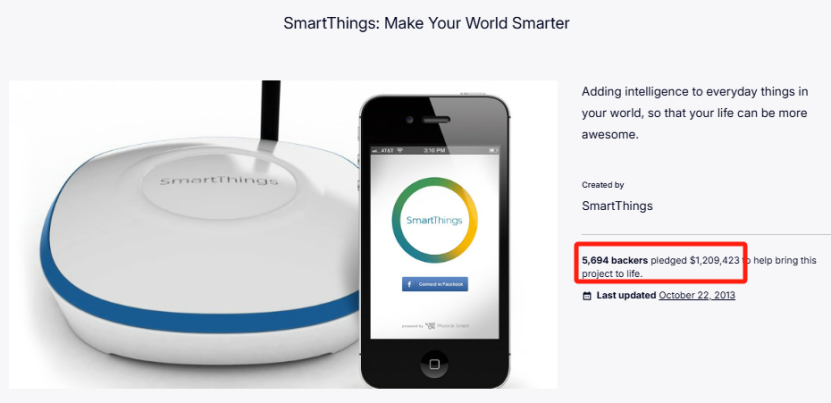
The SmartThings project officially launched on Kickstarter in September 2013, spearheaded by a professional team from Minneapolis, USA. This crowdfunding campaign achieved remarkable success, attracting enthusiastic participation from 5,694 backers and ultimately raising $1.2 million, making it a standout smart home crowdfunding project at the time. Following its launch, the team maintained active engagement with its community, publishing 41 project updates, providing 19 FAQs, and accumulating 2,607 discussions in the comments section. This vibrant community feedback underscored users' keen interest and eager anticipation for smart home technology applications.
Key Product Features
SmartThings was designed with an "open" philosophy at its core, supporting multiple communication protocols such as Zigbee, Z-Wave, Bluetooth, Ethernet, and cellular networks. This enabled seamless connectivity with hundreds of sensors and smart devices on the market, creating a truly open and highly extensible smart home ecosystem for users.
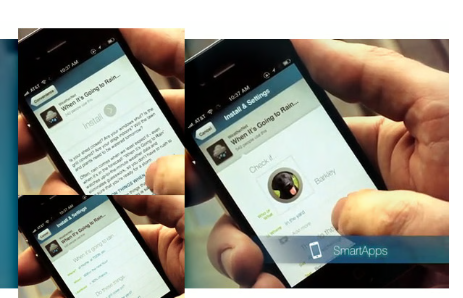
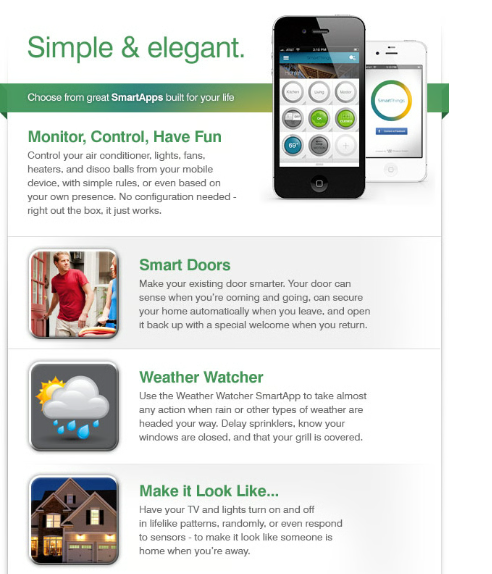
The platform featured a rich ecosystem of built-in SmartApps and also supported community-driven application development, allowing users to easily orchestrate various automation scenarios. From "pet leaving home alerts" to "water leak warnings," and from "social media interaction light feedback" to countless other creative applications, SmartApps provided users with a personalized smart home experience.
SmartThings offered a developer-friendly technical architecture, providing a complete SDK, cloud platform APIs, and mobile extension templates. It supported mainstream development tools like Arduino and JavaScript. This design empowered both the Maker community and professional developers to quickly build and deploy custom IoT applications.
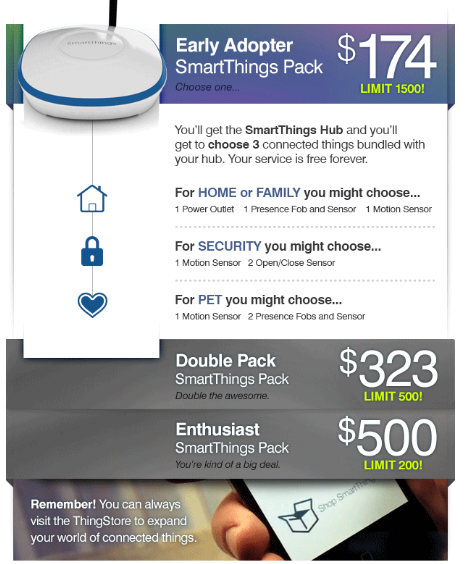
The product offered an integrated hardware solution, including a core kit with a smart Hub, central control devices, and various sensors, ensuring a plug-and-play user experience. Through the subsequent ThingStore platform, users could freely add a wide range of smart devices such as door locks, switches, temperature and humidity sensors, smoke detectors, carbon monoxide detectors, and vibration sensors, to build a comprehensive smart home system.
Company History and Growth Trajectory
SmartThings Inc. was founded in 2012 and headquartered in Mountain View, California, by a team of seven experienced engineers including Alex Hawkinson. Its flagship crowdfunding project, detailed above, officially launched on Kickstarter in September 2013. By August 2014, Samsung Electronics acquired SmartThings for $200 million, allowing it to continue operating independently as an "Open Innovation Center." Over years of development, SmartThings has accumulated 62 million users, with user growth exceeding 70% around 2020, demonstrating strong market expansion capabilities. Leveraging Samsung's vast technological ecosystem, SmartThings has evolved from a startup project into a leading global smart home platform, successfully balancing the diverse needs of DIY enthusiasts and general consumers while actively expanding into enterprise and energy management applications.
The Smart Home Market Landscape
The smart home market is experiencing rapid growth, with research institutions predicting global smart home device installations to reach 45 million units by the end of 2018, representing a compound annual growth rate of over 20%. Home automation and energy management are identified as key market drivers. The current competitive landscape is diverse, featuring products from tech giants like Google Nest and Google Home, Apple HomeKit, and Amazon Echo/Alexa, alongside retail platform solutions such as Lowe's Iris, Home Depot Wink, and Best Buy's Peq. Emerging protocol alliances like the Matter standard alliance are also actively promoting industry standardization.
From a technology development perspective, the smart home industry is evolving towards "standardized interoperability," with the Matter alliance playing an increasingly significant role. Concurrently, the industry is undergoing a software-centric transformation, where hardware manufacturing is gradually outsourced to partners, while platforms like SmartThings increasingly focus on enhancing cloud services and operational capabilities. As user awareness of privacy protection grows, device authentication and data encryption technologies have also become essential requirements for industry development.
Regarding user needs, there is a growing demand for "plug-and-play" experiences and cross-brand compatibility. Users expect scenario-based, one-click automation experiences. Simultaneously, an active developer community continues to drive the implementation of innovative applications, injecting continuous vitality into the entire industry.
SmartThings' Enduring Edge
SmartThings successfully garnered widespread market attention through its open platform philosophy established during the Kickstarter crowdfunding phase, its rich SmartApps ecosystem, and its developer-friendly technical strategy. Following its acquisition by Samsung, the company continuously expanded its user base and enhanced its technological capabilities. Facing the current industry trends towards standardized interoperability and software-centric operations, as well as an increasingly competitive market, SmartThings, with its early established ecosystem advantages and strong support from Samsung, retains significant potential for leadership in future market competition.
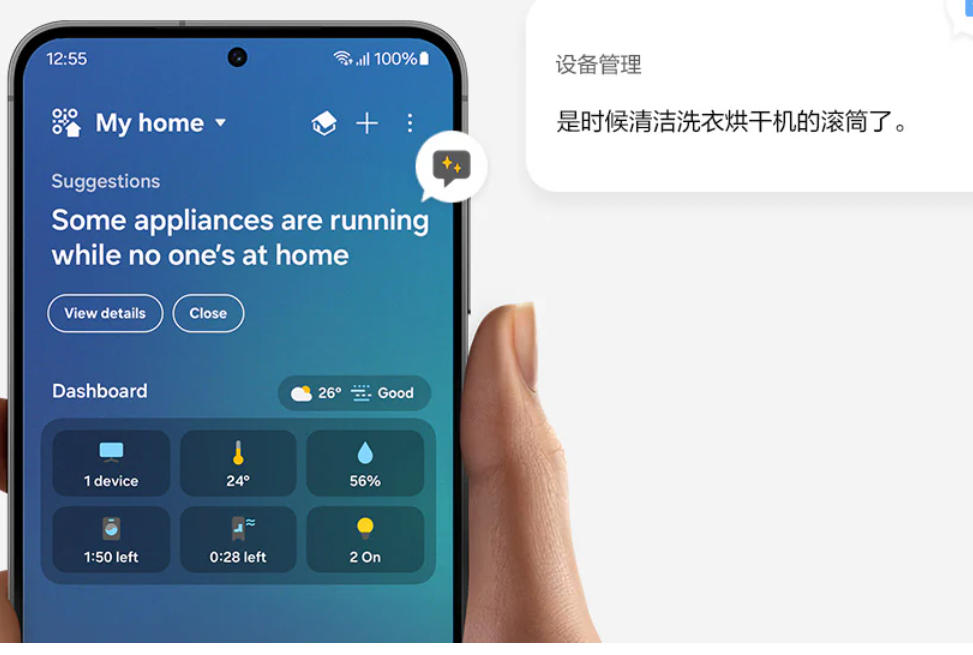
SmartThings was designed with an 'open' philosophy, supporting multiple communication protocols to seamlessly connect with hundreds of sensors and smart devices, building a truly open and highly extensible smart home ecosystem.