Baseus X1 Pro: A Deep Dive into the AI Dual-Tracking Security Camera's Kickstarter Campaign
Crowdfunding Analysis · · PledgeRadar Editorial
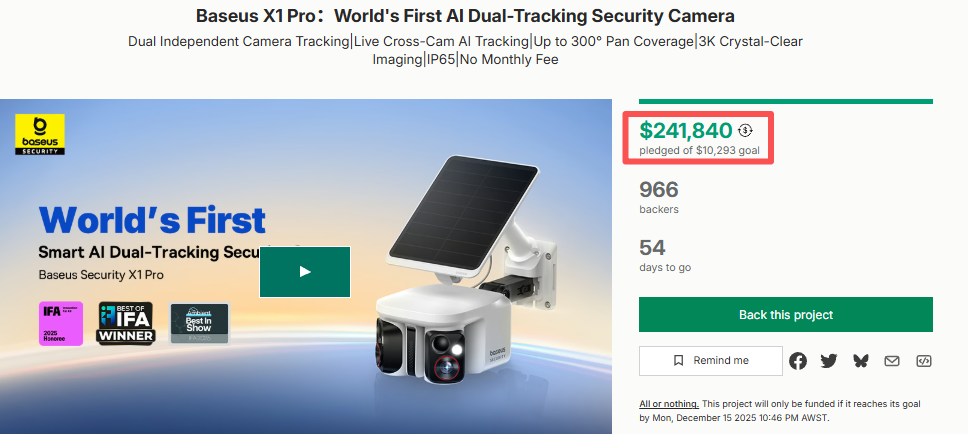
Dual-tracking, solar power, and 512GB local storage – Baseus promises the work of two cameras in one device. Is this ambitious claim realistic and appealing to backers? The Baseus X1 Pro has shown solid performance on Kickstarter, raising over $240,000 from 965 backers to date, with the campaign still active. Currently, Baseus is running parallel pre-sales on its official channels and has provided review units to media outlets. However, community discussions reveal that while backers are excited about the innovative features, they also express caution regarding software stability, night vision performance, and long-term outdoor durability.
Core Technology Selling Points and Expert Analysis
### 1. Dual-Lens Independent Tracking System
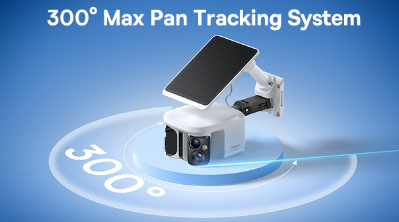
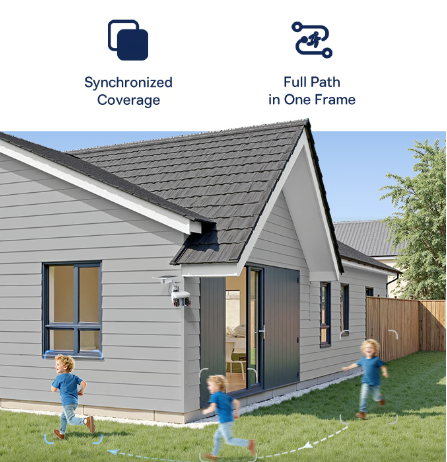
Equipped with dual 3K resolution cameras, the system supports independent rotation control. Utilizing AI Relay Tracking technology, it achieves 300° linked patrol coverage, allowing the two lenses to seamlessly hand off target tracking and effectively eliminate blind spots.
Technical Assessment: This solution offers significant advantages in installation convenience and cost control by integrating dual-camera functionality into a single device. Achieving stable cross-lens tracking requires addressing two core challenges: first, the robustness of the target detection algorithm under complex lighting conditions (backlight, night, rain, fog); second, the response speed and positioning accuracy of the mechanical rotation system to ensure no tracking loss during lens transitions. Existing media tests show good performance in typical scenarios, but long-term stability in extreme environments still requires real-world deployment verification.
### 2. Adaptive Solar Power System
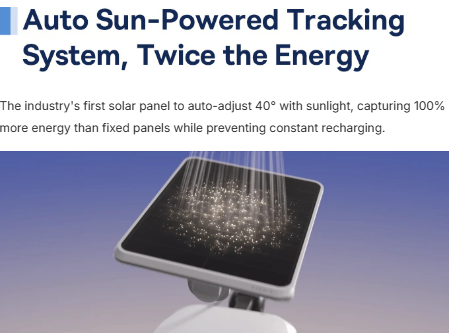
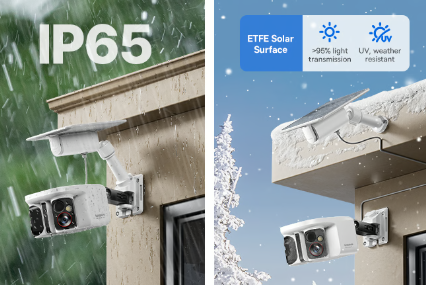
The X1 Pro features an automatically adjustable solar panel that optimizes energy collection efficiency through a light-tracking algorithm. It supports an operating temperature range of -20℃ to 50℃ and boasts an IP65 protection rating.
The auto-adjusting angle design offers a clear advantage over fixed solar panels in energy harvesting, proving particularly valuable for remote or difficult-to-wire installation scenarios. However, movable mechanisms in outdoor environments face challenges such as dust intrusion, rain corrosion, and freezing. The sealing design and lifespan of the mechanical drive system are critical test points. Furthermore, in prolonged cloudy periods or high-latitude winters, solar power alone may not fully replace external power sources.
### 3. Local Storage and Zero-Subscription Policy
The device supports local storage via a microSD card up to 512GB and operates on a zero-monthly-fee model, allowing users to access full functionality without a cloud service subscription.
This strategy directly targets users sensitive to cloud subscriptions, offering competitive advantages in privacy control and long-term costs. However, local storage solutions carry a risk of data loss in extreme situations (device theft, storage media damage), necessitating robust complementary features like cyclical overwrite mechanisms, off-site backup solutions, and a stable file system.
### 4. Edge AI Recognition and Event Tagging
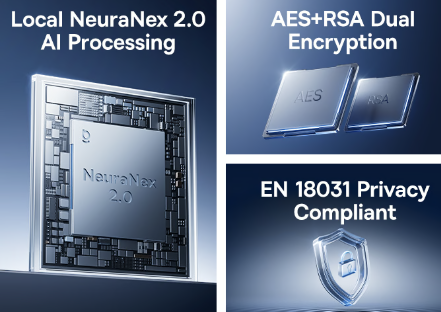
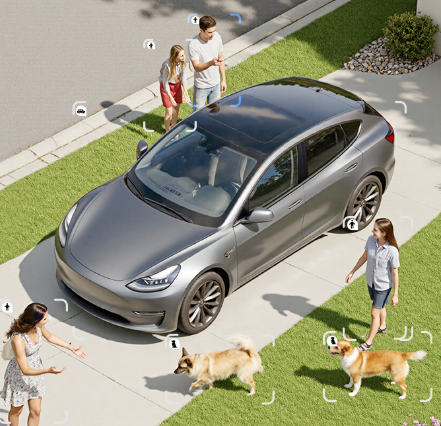
Built-in AI algorithms enable intelligent recognition and classification of people, vehicles, pets, and faces. It supports keyword-based event retrieval and integrates with the Alexa and Google Home ecosystems.
The advertised keyword retrieval function relies on the indexing capabilities of the edge AI engine; retrieval speed and accuracy will directly impact user experience.
Brand Background and Product Line
Baseus is an established Chinese consumer electronics brand headquartered in Shenzhen, operating under the Shenzhen Baseus Technology or Shenzhen Times Innovation Technology umbrella. The brand has extensive experience in charging accessories, smart home devices, and car electronics, selling products through various global e-commerce and retail channels, and has built a stable user base in the consumer electronics market. In recent years, Baseus has expanded its product line into smart security, launching solar-powered security products like the S1 and N1. The X1 Pro represents a high-specification endeavor in outdoor smart surveillance.


Market Landscape and Competitive Dynamics
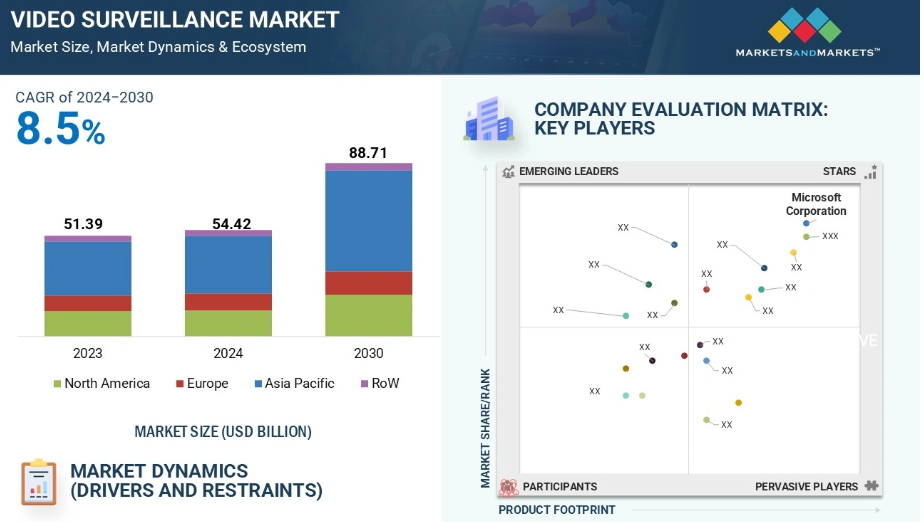
The smart security camera market is substantial and continues to grow steadily. According to Marketsand Markets, the global video surveillance market size is approximately $54 billion in 2024, projected to expand at a compound annual growth rate (CAGR) of 8-9%. Institutions like Grand View Research provide similar market valuations and growth forecasts.
The market exhibits clear segmentation: the consumer home market prioritizes ease of use and cost-effectiveness, while the commercial and public safety markets focus more on compliance and system integration capabilities.
Current market leaders each have distinct focuses. Eufy (under Anker) has established brand recognition in the consumer market with its zero-subscription and local storage model, launching multiple battery-powered and solar outdoor models. Reolink holds an advantage in product line breadth and technological maturity, with its dual-lens, 4K, and solar product lines directly competing with the X1 Pro. Arlo, Ring, and Wyze lead in user base, ecosystem, and channel capabilities, but some of their products rely on cloud subscription services, differing from the zero-monthly-fee philosophy.
Traditional hardware manufacturers like Hikvision and Dahua dominate the commercial and engineering markets. However, their positioning differs from consumer brands in terms of home user experience and brand image, and they face regulatory restrictions in some countries and regions.
Several significant structural changes are occurring in the market. User preference for zero-subscription models is driving manufacturers to offer local storage or optional cloud solutions. Edge AI is becoming a key differentiator, directly impacting false alarm rates, retrieval efficiency, and privacy control capabilities. Demand for solar and wireless power solutions is rising, but long-term durability remains a technical bottleneck. Data sovereignty and privacy regulations are becoming increasingly stringent, with countries like India imposing strict security testing requirements for Chinese-made cameras, which will affect companies' internationalization strategies and compliance costs.
Dual-tracking, solar power, and 512GB local storage – Baseus promises the work of two cameras in one device. Is this ambitious claim realistic and appealing to backers?