NayaConnect: Modular Desktop Workflow Device Surpasses $500K on Kickstarter
Crowdfunding Analysis · · PledgeRadar Editorial
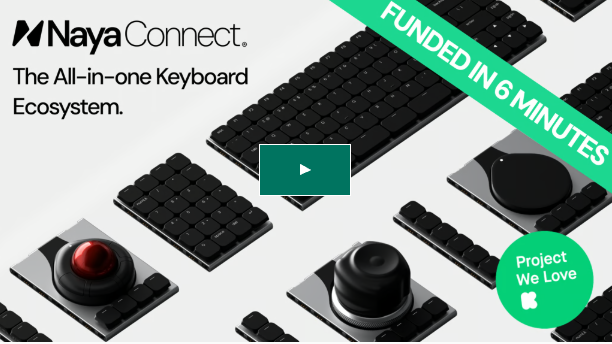
NayaConnect introduces a modular input ecosystem centered around pluggable modules, an expandable dock, and a low-profile main keyboard (NayaType). Designed for professionals such as programmers, video editors, audio engineers, and 3D designers, it offers an efficient workflow solution by modularizing common tools like macro controls, touchpads, knobs, and 6DoF spatial manipulation into on-demand, plug-and-play accessories. Currently crowdfunding on Kickstarter with just a few days remaining, NayaConnect has already raised nearly $500,000 from over 1,000 backers. The project team has repeatedly highlighted the successful delivery record of their previous product, NayaCreate, on the campaign page to build backer confidence in their ability to fulfill commitments.
Key Product Features
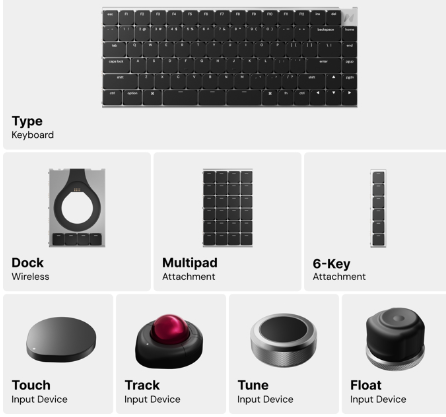
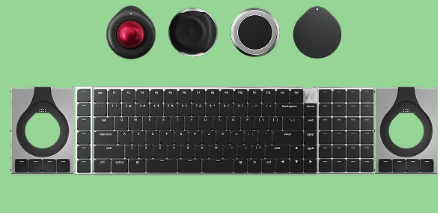
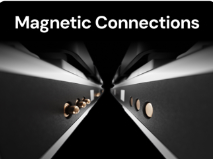
**Modular Magnetic Ecosystem:** NayaConnect's core innovation lies in integrating various specialized tools into magnetically attachable, plug-and-play modules. Touchpads, knobs, trackballs, 6DoF spatial controls, and multipads can be flexibly combined. Each module features independent power and can supply power to the system. Users can dynamically adjust configurations based on their workflow needs, avoiding the purchase of multiple dedicated devices—a truly appealing aspect. This modular architecture is highly beneficial for multi-disciplinary scenarios, particularly enhancing efficiency in video editing, audio editing, 3D modeling, and spreadsheet-intensive operations. However, hardware product experts suggest the ecosystem's success hinges on three engineering-level factors: low-latency coordination between modules, reliable standards for magnetic and electrical connections, and a unified software mapping system. If the driver and SDK experience falls short, the entire ecosystem risks fragmentation.
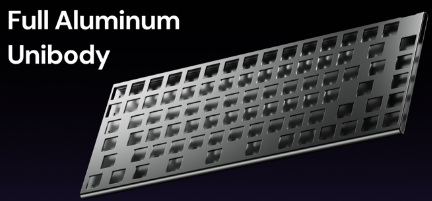
**Low-Profile Mechanical Keyboard:** The NayaType features an integrated aluminum alloy body and hot-swappable ChocV2 switches, supporting flexible layouts with either a split or single spacebar. This configuration meets both travel portability needs and retains the professional feel of a mechanical keyboard. Low-profile and hot-swappable features have become standard for high-end portable keyboards, making it easy for users to swap switches and perform maintenance. Naya's design goal is clear: to balance the professional experience of mechanical feedback with a compact desktop footprint, providing a solution for multi-scenario workers.
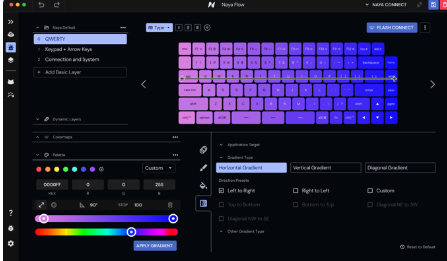
**Unified Software Platform with Automatic App Detection:** The NayaFlow software platform centrally manages all hardware modules, automatically switching layout configurations based on the active application. Users can complete shortcut mappings via a drag-and-drop interface without subscription fees. The software supports cross-platform operation (Windows, macOS, Linux), catering to the multi-platform needs of professional users. The software experience directly determines the widespread adoption of this ecosystem. Automatic application sensing, coupled with user-friendly community templates and a plugin store, can significantly lower the barrier to entry and boost user retention. Conversely, unstable software or driver issues could lead users to abandon modular hardware in favor of traditional, single-purpose tools.
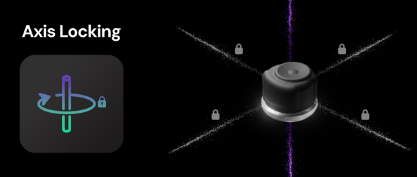
**Configurable Workflow Toolkit:** NayaConnect's ambition is to cover multiple professional vertical domains with a single device: providing macros and layered controls for developers, audio/video knobs and trackball controls for creators, spatial manipulation for 3D designers, and timeline controls for editors. Ideally, this integrated toolkit could replace combinations of isolated tools like StreamDeck, SpaceMouse, and various knobs. To achieve this, Naya must match the latency, precision, long-term reliability, and API openness of specialized single-purpose products, which places high demands on both hardware and firmware engineering.
**Modular Independent Power & Wireless Expansion:** Each module can be independently powered and operated, and the Dock supports expansion and wireless connectivity. This design facilitates hot-swapping and wireless expansion, but it also introduces engineering challenges related to battery life management, wireless interference, and firmware complexity. Long-term success will depend on a robust quality assurance system and comprehensive over-the-air (OTA) firmware upgrade mechanisms.
Team Credibility & Development
Naya's previous product, NayaCreate, garnered significant attention during its crowdfunding phase, successfully entered mass production, and fulfilled its delivery commitments. This established a strong foundation of credibility for the new project. The team repeatedly cited the successful delivery of Create on the crowdfunding page as a brand validation point, demonstrating their commitment to fulfilling promises. The team identifies as a small, European-based hardware and software startup, having previously participated in crowdfunding campaigns and exhibitions in the Netherlands and across Europe. The project description emphasizes three years of modular R&D and community feedback iteration, reflecting a dedication to deep product optimization.
Market Analysis
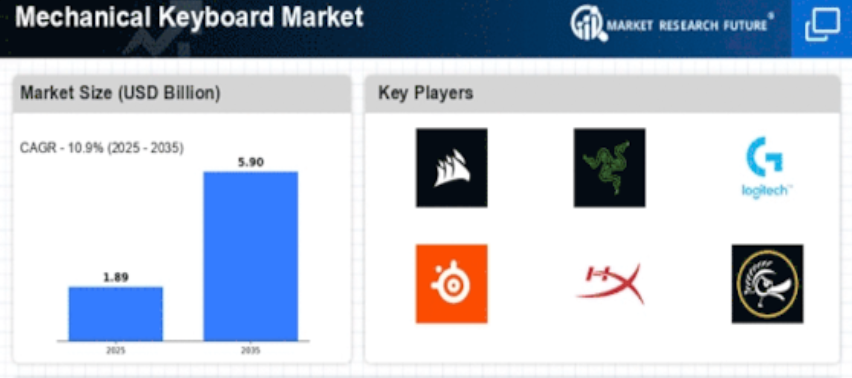
The desktop and laptop peripheral market is experiencing steady growth, particularly in the mechanical keyboard and high-performance input device segments. Reports from several market research firms indicate this sector is projected to maintain a mid-to-high single-digit to double-digit compound annual growth rate (CAGR) over the next few years. Key drivers for this growth include: the increasing thinness of laptop designs leading to fewer ports and a rising demand for docking stations; and the continuous need for specialized controllers and efficient input devices among creators, streamers, remote workers, and gamers.
Competitive Landscape
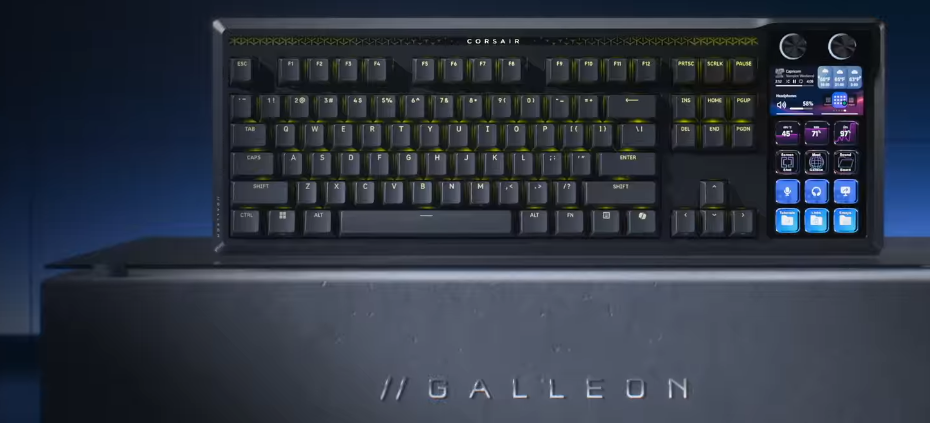
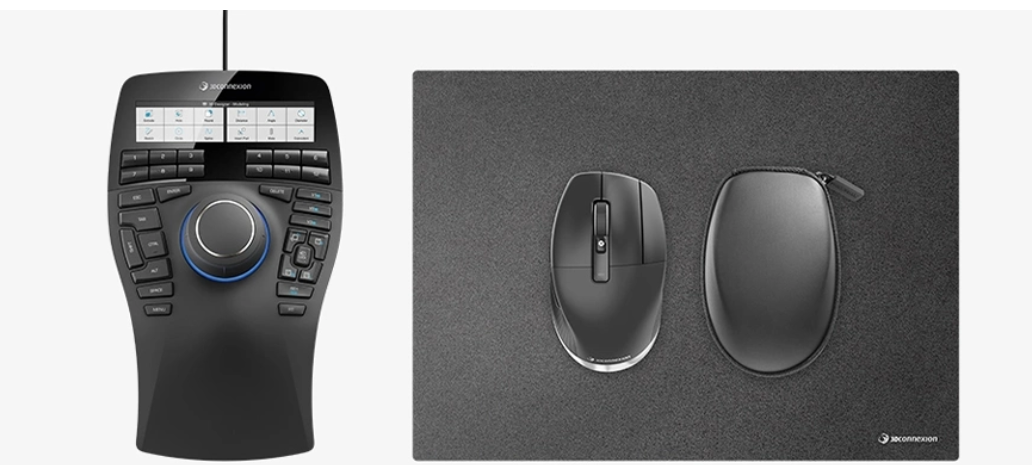
In terms of competition, NayaConnect faces several strong players. Elgato's StreamDeck series holds a leading position in the desktop shortcut controller niche, boasting widespread user recognition and a comprehensive plugin ecosystem, widely adopted by streamers, editors, and office users. To truly compete with StreamDeck, Naya must rival its software templates, system stability, and ecosystem expandability. In the professional 3D operation domain, 3Dconnexion's SpaceMouse series has long dominated the market, earning high trust from CAD and 3D modeling professionals for its precision, force feedback, and software compatibility. Naya's Float module directly targets this need, and to gain adoption from professional users, it must demonstrate comparable precision, driver support, and application compatibility to industry standards. Furthermore, creative consoles, programmable keyboards, trackballs, knobs, and traditional keyboard manufacturers like Keychron, Drop, Logitech, and Corsair each possess deep customer bases in their respective verticals. Naya's differentiating promise is to integrate multiple tool types into a single modular ecosystem, but this also means overcoming the deeply entrenched user loyalty to specialized single-purpose products in their respective verticals.
Opportunities and Risks
Naya faces clear opportunities and risks. The opportunity lies in the genuine demand for integrated desktop workflows, the willingness of professional users to pay a premium for efficiency gains, and the team's proven hardware manufacturing and community engagement capabilities. The risks involve the ecosystem's success hinging on hardware reliability, low-latency drivers and connections, comprehensive cross-platform support, and the rapid establishment of a developer and third-party plugin ecosystem. If these aspects fall short, the modular device risks becoming an expensive gadget rather than an industrial tool. The modular keyboard ecosystem has long-term growth potential driven by the real need to address fragmented desktop tools. If Naya can deliver on hardware reliability, low-latency connectivity, and a top-tier software experience, it has the potential to expand from the maker and enthusiast market into professional creative and engineering fields. Conversely, if the software or connection experience falls short, it will severely limit its potential for scaled growth.
Hardware product experts suggest the ecosystem's success hinges on three engineering-level factors: low-latency coordination between modules, reliable standards for magnetic and electrical connections, and a unified software mapping system.