Keychron's All-Ceramic Keyboard: A Deep Dive into its Kickstarter Success
Crowdfunding Analysis · · PledgeRadar Editorial
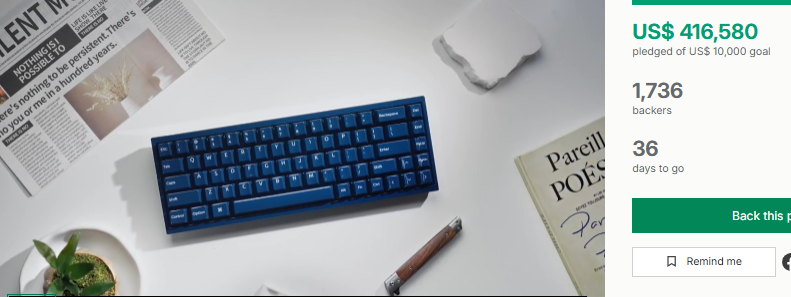
Keychron's latest crowdfunding campaign on Kickstarter underscores the significant market potential for high-end, differentiated products. In just five days, the project garnered approximately $416,000 in funding from 1,736 backers.
Key Features: The All-Ceramic Mechanical Keyboard
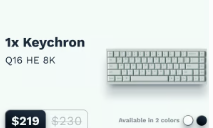
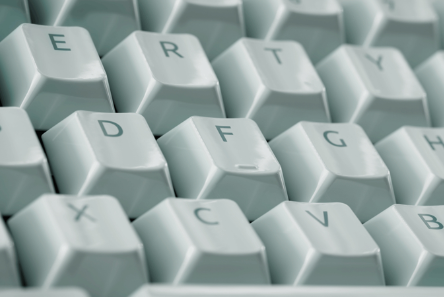
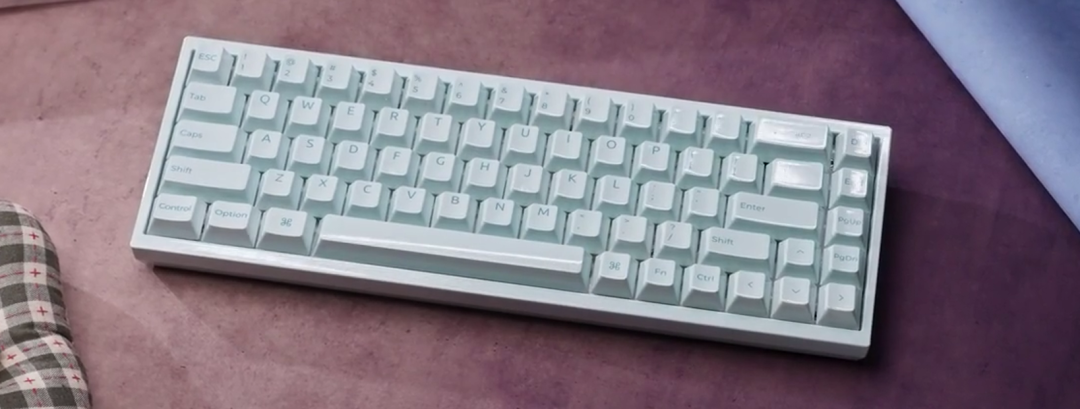
The Q16HE8K boasts a true all-ceramic design, with both its casing and keycaps crafted from ceramic materials. This delivers a unique tactile experience characterized by a cool, smooth, and substantial feel. The ceramic material significantly influences resonance and acoustics, and when combined with custom sound-absorbing foam, it produces a deep 'thock' sound profile. Weighing 1060 grams, the keyboard offers exceptional desktop stability. However, potential backers should note that ceramic's scratch and drop resistance differs from traditional metal or plastic.
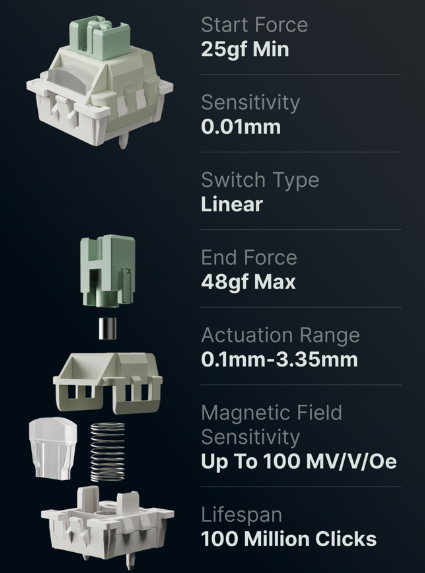
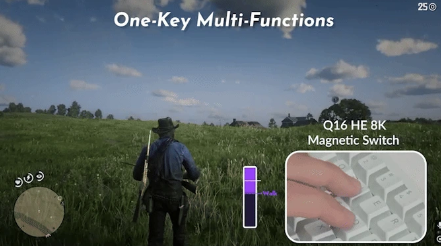
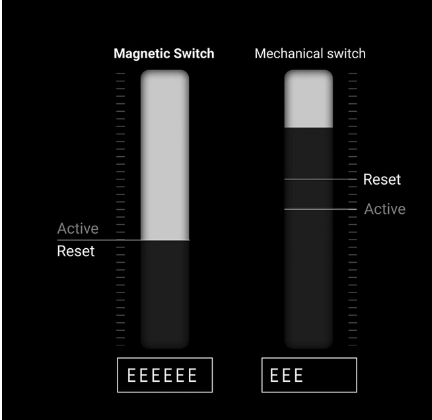
Equipped with Ultra-FastLime magnetic switches, the keyboard utilizes Tunnel Magnetoresistance (TMR) sensor technology, offering faster and more sensitive responses compared to traditional Hall effect sensors. It supports per-key actuation point adjustment at 0.01mm increments, allowing users to freely set the travel distance between 0.1mm and 3.35mm. This enables multi-layer key action mapping, catering to the personalized demands of professional gamers and enthusiasts.
An ultra-high polling rate of 8000Hz (0.125ms per report) combined with a key scanning speed of 256,000 times per second minimizes input latency to the extreme. This directly addresses a critical pain point for esports players where milliseconds can determine victory.
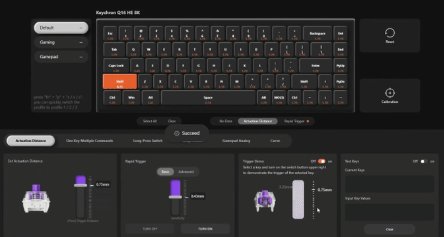
Configuration of key assignments, actuation points, macros, and lighting effects can be done directly via a Web Configurator, eliminating the need for client software downloads. The magnetic switches are hot-swappable, simplifying routine maintenance and personalized modifications.
Pre-lubricated stabilizers, coupled with internal sound-absorbing materials, ensure an optimal typing feel and acoustic performance while maintaining visual aesthetics.
Keychron's Proven Crowdfunding Model and Community Engagement
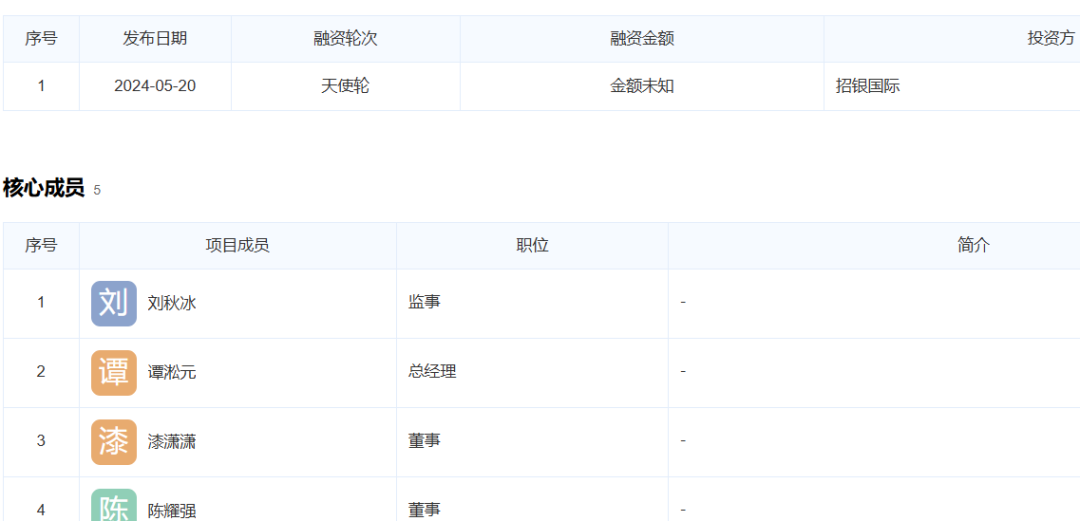
Founded in 2018, Keychron, a brand under Kexin (Shenzhen) Innovation Technology Co., Ltd., built its foundation on Kickstarter. The brand initially targeted Mac users with mechanical keyboards, establishing a strong community with early successes like the K1 (approximately 3,946 backers, raising $328,523) and K2 (approximately 11,126 backers, raising ~$1,001,047). To date, Keychron has launched around 17 crowdfunding projects on the platform, accumulating nearly ten million dollars in pre-sales. Keychron's success stems from a powerful combination of crowdfunding-first launches, extensive media reviews, and an active community, which together rapidly generate buzz and convert early adopters into brand advocates. The company completed an angel round of investment in 2024, with no further funding information publicly disclosed.
However, community feedback on Keychron has not been uniformly positive. Earlier products sparked discussions regarding quality consistency, after-sales service, and support for deep modifications. The introduction of new-process-dependent products like ceramic components and TMR sensors presents greater challenges in manufacturing yield, cost control, and post-sale repairs. The long-term reliability of ceramic parts and novel sensors will require further validation from actual users.
Market Outlook: Growth and Challenges in the High-End Keyboard Segment
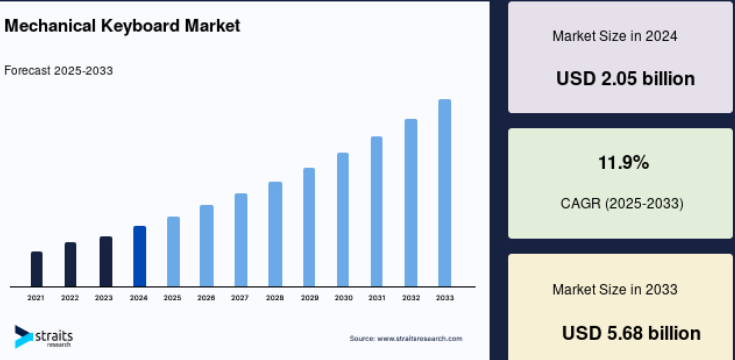
The global mechanical keyboard market continues its robust growth trajectory. According to a Straits Research report, the market is projected to reach $2.3 billion by 2025, expanding at a near double-digit compound annual growth rate in the coming years. Other research firms like Technavio and Market Growth Reports also forecast mid-term growth rates between 7-12%. The high-end gaming peripherals and differentiated niche markets still offer significant expansion opportunities, with unique materials and customizable features more readily commanding premium recognition from enthusiast users.
The keyboard enthusiast community is willing to pay a premium for unique materials (such as PVD aluminum, special resins, and limited-edition ceramics) and deep programmability. While this purchasing demographic is relatively smaller, they exhibit strong buying intent and a high tolerance for higher unit prices. However, the mass production capabilities for TMR sensors, ceramic molding and sintering processes, and magnetic switches demand extremely stable supply chains. Any misstep in these stages could significantly impact shipping schedules and return rates.
The keyboard enthusiast community is willing to pay a premium for unique materials and deep programmability, exhibiting strong buying intent and a high tolerance for higher unit prices.