CUDIS Sporty: Blockchain-Powered Smart Ring Nears $200K on Kickstarter
Crowdfunding Analysis · · PledgeRadar Editorial
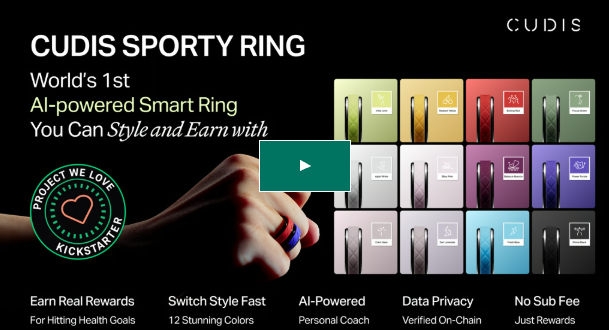
CUDIS Sporty is the second-generation smart health ring from Los Angeles-based health tech company CUDIS. Featuring a 3g titanium alloy body, it integrates heart rate, HRV, SpO2, and sleep monitoring. It offers personalized health advice via an AI coach and aims to provide economic returns for user health data through a blockchain-based rewards system – a concept that might seem ambitious at first glance. Launched on Kickstarter on February 26, 2026, the CUDIS Sporty campaign had raised approximately $160,000 USD by the time of this analysis. With an average unit price exceeding $300, this smart ring falls into a mid-tier decision-making category for smart hardware crowdfunding, suggesting backers have a relatively clear understanding of the product's use cases and value proposition. Community discussions indicate backers are primarily focused on the practical quality of the AI coach's advice, the redemption process for blockchain tokens, the stability of the token's value, and whether Sporty offers substantial improvements in sensor accuracy compared to its predecessor.
Product Core Selling Points
Customizable Aesthetics: 12-Color Silicone Bands for Versatile Styling
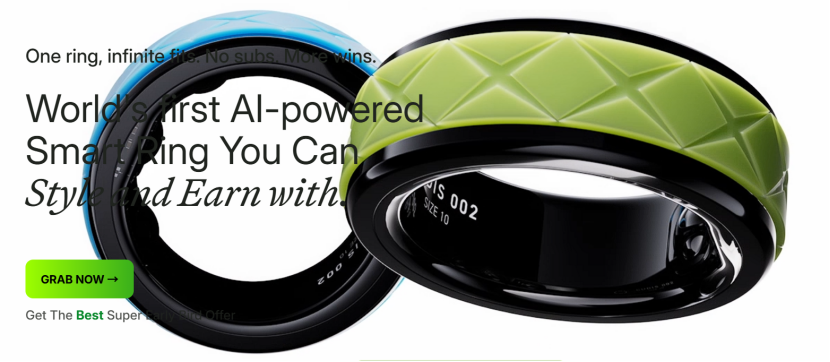
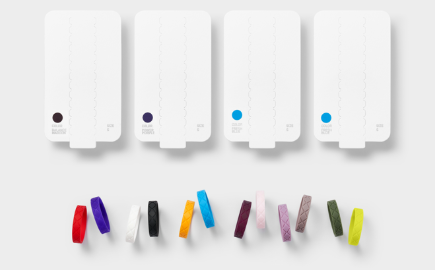
The Sporty series comes with six interchangeable silicone bands, offering 12 color options including matte black, moonlight silver, cosmic blue, and flame red, drawing design inspiration from the 1998 Apple iMac's colorful casing strategy.
Customizable aesthetics address a common issue for smart ring users: long-term wear fatigue. A fixed design with a single style has limited adaptability for daily outfits. The ability to switch colors directly influences how often users wear the ring, and wear frequency, in turn, directly determines the continuity of data collection and the accuracy of health analysis.
However, the durability of the silicone band's clasp and potential loosening after prolonged use are engineering details that will require real-world user testing during mass production.
ChatGPT-Powered AI Coach: From Data Readings to Actionable Advice
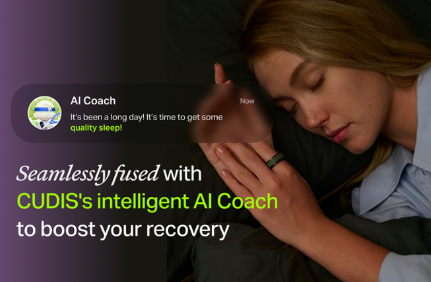
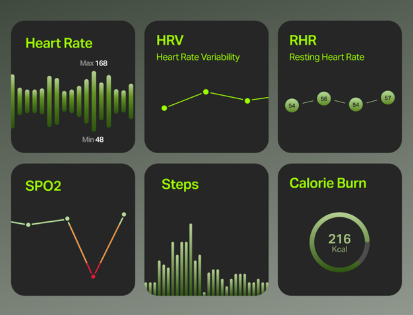
CUDIS's AI coach, powered by ChatGPT, analyzes user HRV, sleep quality, stress curves, and activity data to generate daily health recommendations, recovery plans, and supplement suggestions, with direct referrals to licensed medical professionals when necessary.
The app is integrated with Apple Health, Google Fit, Strava, and MyFitnessPal for data interoperability. For this system to be truly valuable, the key lies not in the AI interface itself, but in whether user data accumulation is sufficiently personalized and if recommendation strategies are based on clinical effectiveness rather than generic advice.
Features like biological age and anti-aging recommendations, if lacking independent clinical validation, may face scrutiny from professional health users and potential medical partners.
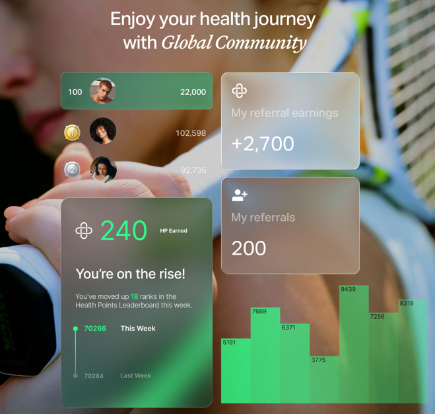
DePIN Blockchain Rewards: Health Behavior for Crypto Incentives
CUDIS is building a Decentralized Physical Infrastructure Network (DePIN) based on the Solana blockchain.
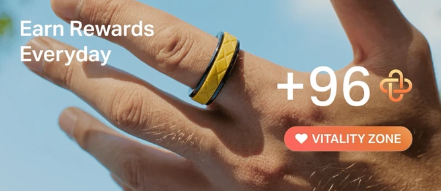
Users earn $CUDIS tokens by completing daily health tasks, maintaining continuous wear, and reaching personalized milestones. The $CUDIS token was listed on Bybit, Bitget, and MEXC exchanges in June 2025. The brand estimates the potential annual value of user health data at approximately $5,000.
This represents CUDIS's fundamental differentiation from all other smart ring brands, by assetizing health data and allowing users to directly participate in revenue distribution.
The sustainability of this model heavily relies on token liquidity and market sentiment. Should the crypto market experience significant fluctuations, the appeal of 'earning while getting fit' could sharply diminish, representing an inherent systemic risk within this incentive system.

Finger-Based Sensors: Denser Capillary Beds for Clearer Signals
The dense capillary network in fingers can provide more stable biosignals than the wrist. CUDIS claims this allows for higher accuracy in heart rate, HRV, and blood oxygen readings compared to wrist-worn devices.
This physiological argument has some academic basis, and brands like Oura also use it as a core competitive narrative. However, the actual performance of sensor accuracy ultimately requires comparative testing against medical-grade devices for quantification. The discrepancy between brand-stated data and independent third-party test results is often a major topic of discussion within review communities.

10-Day Battery Life + 5ATM Water Resistance for Seamless All-Day Wear
The Sporty series weighs 3g, boasts a 5ATM water resistance rating, and offers up to 10 days of battery life, supporting all-day wear including swimming and showering.
A 10-day battery life is a mainstream competitive parameter in the smart ring category, typically achievable without high-frequency sampling enabled. The combination of a 3g body weight and 5ATM water resistance allows users to truly 'wear it and forget it,' which directly benefits health analysis reliant on continuous data. The less noticeable the device, the fewer interruptions in wear, and the higher the data continuity.
Company Background and Trust Factors
Public information indicates CUDIS was founded by Beat Bit Wellness Lab, headquartered in Los Angeles. It is an official partner of UCLA Athletics and has established an ecosystem alliance with multiple telehealth providers, health brands, and high-end luxury partners. The brand reportedly secured $5 million in seed funding, with investors including Skybridge, and its team members have backgrounds from UCLA and UC Berkeley. Currently, CUDIS appears to have a solid foundation of trust in smart ring crowdfunding projects, backed by institutional funding, endorsements from top athletes (British triple jumper Naomi Metzger is a brand user), and a track record of delivering its first-generation product.

Market Analysis
The global smart ring market was valued at approximately $310 million in 2025 and is projected to grow to about $3.1 billion by 2035, with a Compound Annual Growth Rate (CAGR) of approximately 26.4%. This industry growth is driven by multiple factors: rising consumer demand for unobtrusive, all-day health monitoring, Oura's commercial validation in sleep tracking raising market awareness, and the entry of the Samsung Galaxy Ring in mid-2024, which is bringing smart rings from niche tech circles into mainstream consumer view.
In terms of competitive landscape, Oura dominated approximately 80% of global smart ring sales in 2023, building a strong barrier with its precise sleep analysis algorithms and years of accumulated medical partnerships. A $110 million funding round in May 2024 further solidified its industry leadership. Ultrahuman ranks second with a 12% market share, focusing on sports performance and metabolic monitoring. Samsung is rapidly entering the mass market leveraging its brand penetration and Android ecosystem integration. Brands like Circular and RingConn are establishing a presence among price-sensitive users with no-subscription-fee strategies.
CUDIS's positioning in this competitive landscape is not to directly challenge Oura's algorithm accuracy. Instead, it aims to capture a segment of users interested in both health tracking and Web3/digital assets, through a differentiated combination of blockchain incentives, an AI coach, and customizable aesthetics. This niche currently lacks direct competitors. The risk of this strategy is that it ties the product's success to the volatility of the crypto market; if token value depreciates, the appeal of the 'earning while you get fit' narrative for new users will decline proportionally.
However, what we can observe now is that smart rings are transitioning from niche tech products to mainstream consumer categories!
This represents CUDIS's fundamental differentiation from all other smart ring brands, by assetizing health data and allowing users to directly participate in revenue distribution.