PledgeRadar Analysis: Lumia2's 30-Day Campaign and 5 Red Flags for Backers
Crowdfunding Analysis · · PledgeRadar Editorial
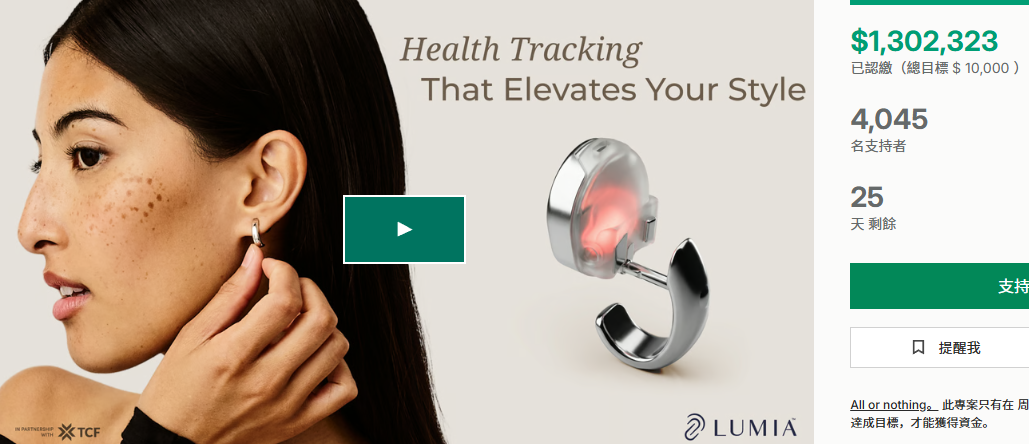
The Lumia2, a new health monitoring device, recently launched on Kickstarter, claiming to offer comprehensive health tracking capabilities. The campaign, which began in May 2026, quickly surpassed its $130,000 funding goal within 24 hours. Set to run for only 30 days, it has already attracted over 249 backers.
Short Campaign Duration
The Lumia2 campaign is notably short, lasting only 30 days. For hardware projects, such a brief duration is often a red flag. It limits the time for potential backers to discover the project, thoroughly research it, and ask questions. It also restricts the creator's opportunity to address concerns or provide further details, potentially indicating a rushed development timeline or an attempt to quickly secure funds before scrutiny.
Product Design Similarities to SwitchBack
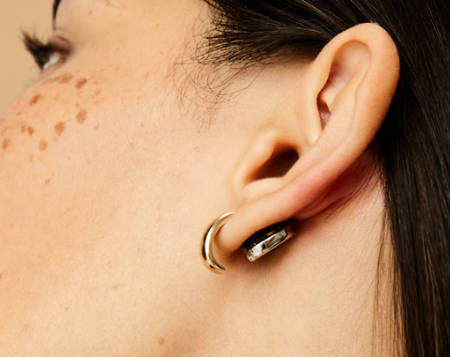
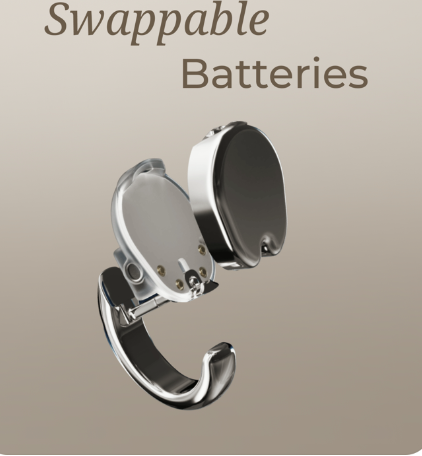
The design of the Lumia2 device, particularly its charging case, bears a striking resemblance to the SwitchBack smart ring, a project that previously launched on Kickstarter. This raises immediate questions about originality and potential intellectual property considerations.
The SwitchBack campaign itself faced significant challenges, including extensive delays and unfulfilled promises to its backers. The visual similarity in design could suggest a lack of innovation or a potential attempt to capitalize on a previous design without proper independent development or a clear distinction.
Unrealistic and Unsupported Claims
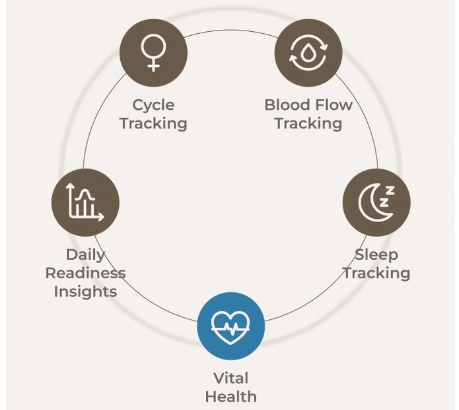
The campaign makes several ambitious claims regarding the device's accuracy and features, such as 'medical-grade precision' and '24/7 comprehensive health monitoring.' Such claims typically require extensive clinical validation and regulatory approvals, which are rarely achieved by crowdfunding projects, especially at this stage.
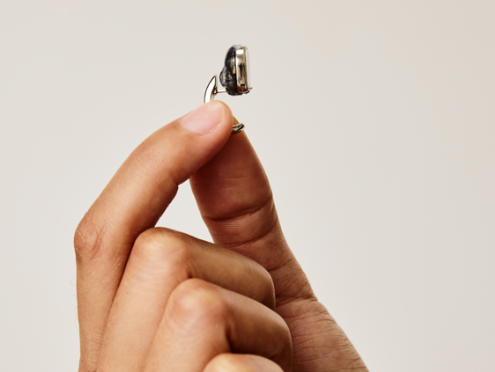
For example, the Lumia2 claims to use 'PreciseLight' technology for non-invasive blood glucose monitoring—a feature that even established medical device companies struggle to implement accurately in wearables. The campaign's promotional materials display a blood glucose reading of 5.91 mmol/L, which, while a plausible number, does not provide sufficient evidence of the technology's accuracy, reliability, or clinical validation.
Lack of Detailed Technical Information
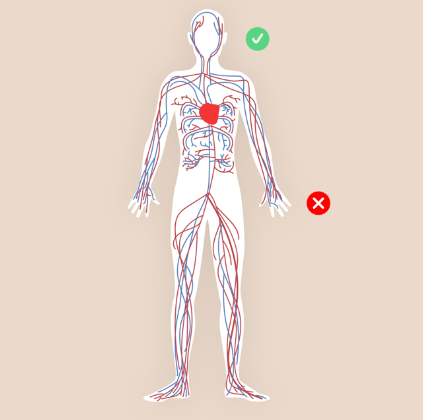
Despite the advanced functionalities claimed, the campaign page conspicuously lacks detailed technical specifications, scientific evidence, or white papers to substantiate its core technology. This absence makes it exceedingly difficult for potential backers to assess the feasibility, reliability, and scientific basis of the device.
For instance, while promising 24/7 health monitoring, there is no clear explanation of the specific sensors utilized, their technical specifications, or the methodology by which data is processed and interpreted to generate accurate health insights.
Creator's Background and Previous Projects
The creator's Kickstarter profile indicates a history of backing over 20 projects but shows no previous projects launched as a creator. While not a definitive red flag on its own, this lack of experience in managing and delivering a hardware crowdfunding campaign becomes a concern when combined with the other identified issues.
Further investigation reveals that LumiaHealth, the company behind Lumia2, reportedly received $7.2 million USD in funding from 2Ventures in 2020. However, details regarding the company's previous products, successful deliveries, or a proven track record are scarce, raising questions about their operational history and ability to execute.
However, PledgeRadar's analysis reveals several red flags that potential backers should be aware of.