Woojer Edge Wearable Haptic Device Secures $1.91 Million on Kickstarter
Crowdfunding Analysis · · PledgeRadar Editorial
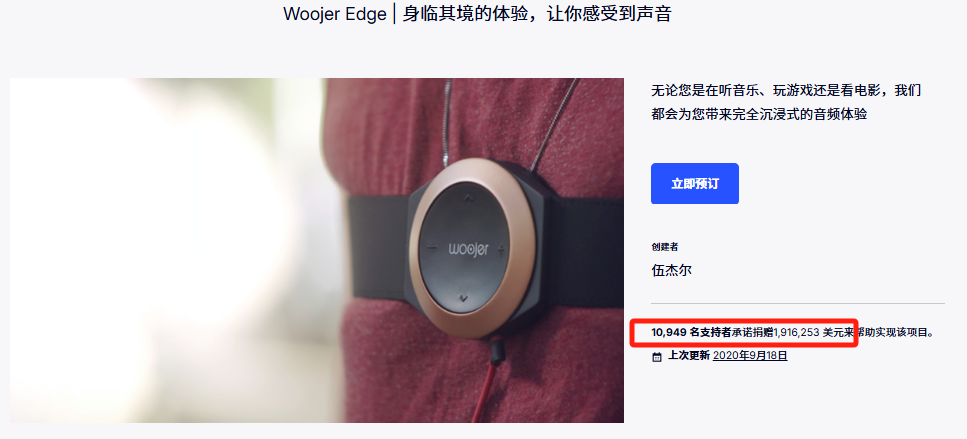
The Woojer Edge, a revolutionary wearable haptic audio device, achieved significant success in its June 2020 Kickstarter campaign. It raised $1.916 million from 10,949 backers, surpassing its funding goal by 1,916%. Utilizing patented Osci™ vibration technology, the product converts low-frequency audio information into tactile feedback, allowing users to "physically feel" bass and sound details. This creates an unprecedented "auditory + tactile" dual immersion experience. While most backers reportedly received their products, the overall performance was considered subpar.
Key Features
At its core, the Woojer Edge features patented Osci™ vibration units that transform low-frequency audio into tactile sensations, addressing the limitation of traditional headphones that only allow users to 'hear' sound without 'feeling' it. These units offer a precise frequency response from 1-200Hz, accurately reproducing low-frequency details most perceptible to the human ear. A key advantage is their silent operation, ensuring the vibration feedback does not disturb others, making the device suitable for various environments.
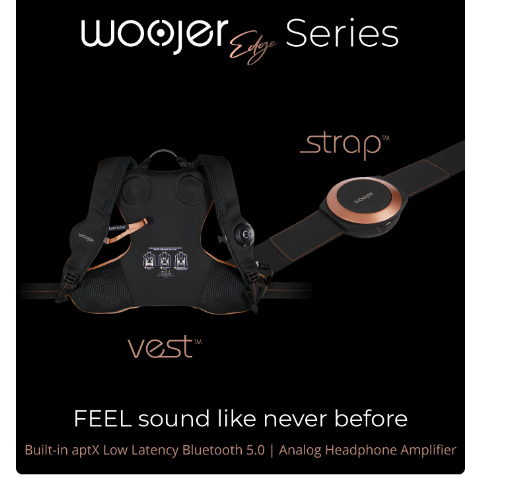
The Woojer Edge is available in two distinct versions. The StrapEdge, designed for portability, incorporates two TR52 vibration units, offers an 8-hour battery life, and supports both Bluetooth 5.0 and 3.5mm connections. For a more immersive experience, the VestEdge features six TRX52 vibration units, providing 360-degree full-body haptic feedback, making it ideal for professional-grade applications.
Ensuring broad compatibility, the device offers plug-and-play functionality with all 3.5mm audio equipment, requiring no additional drivers. It supports multiple connection methods, including low-latency Bluetooth 5.0 and wired audio input. An integrated amplifier allows for simultaneous connection of standard headphones, preserving original audio quality while delivering haptic feedback.
Users can personalize their experience with independent and precise adjustments for both volume and haptic intensity. The device also features an automatic power-saving mode, activating after a period of no signal. A dedicated companion app offers beat training, providing visual vibration rhythm exercises.
Brand and Market Context
Founded in 2015 with headquarters in Israel and the United States, Woojer is a pioneering company in the "haptic audio" field, built on the core philosophy of "FeelSound." The company boasts extensive technological expertise, having gathered feedback from 70,000 testers at events like CES and E3, and established partnerships with renowned manufacturers such as Ubisoft and Sony PlayStation. The global immersive technology market is currently valued at approximately $32 billion, with projections to exceed $69 billion by 2028. This rapid growth in the gaming, VR/AR, and wearable device markets presents significant opportunities for haptic audio equipment.
The Woojer Edge primarily targets five key user groups: gamers, VR enthusiasts, music producers, audiophiles, and fitness enthusiasts. In entertainment scenarios, it enhances immersion in FPS and racing games, provides tactile feedback for VR experiences, and makes home theater viewing more visceral. For professional applications, it assists music producers in precisely adjusting low frequencies and can be used for music training with its beat training app. In health and wellness contexts, the device's rhythmic vibrations can enhance workout effectiveness and potentially be applied in certain rehabilitation therapies.
Compared to competitors like Basslet, SubPac, and bHaptics, the Woojer Edge demonstrates clear advantages in portability, compatibility, and technological maturity. Its vibration units are noted for high power, low energy consumption, and broad frequency response, truly embodying a plug-and-play design. However, the product also faces challenges, including the high R&D and production costs of its high-fidelity vibration units, the necessity of market education to convey the value of "haptic audio" to consumers, and potential competitive pressure from major players like Sony and Meta entering this space. Overall, as demand for immersive experiences continues to grow, the "haptic audio" niche market pioneered by Woojer Edge shows promising development prospects, but sustaining a competitive advantage will require ongoing investment in technological innovation, cost control, and user education.
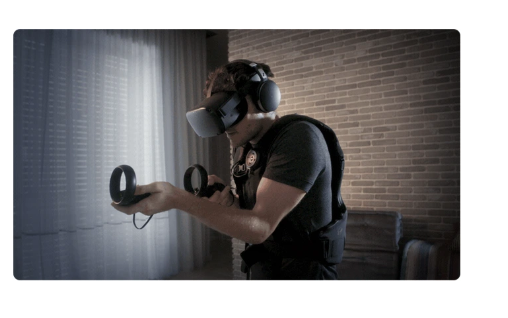


Woojer Edge has pioneered a 'haptic audio' niche market with good development prospects, but requires continuous investment in technological innovation, cost control, and user education to maintain its competitive edge.