OSSIC X: Unpacking the $3.2 Million Crowdfunding Failure
Crowdfunding Analysis · · PledgeRadar Editorial
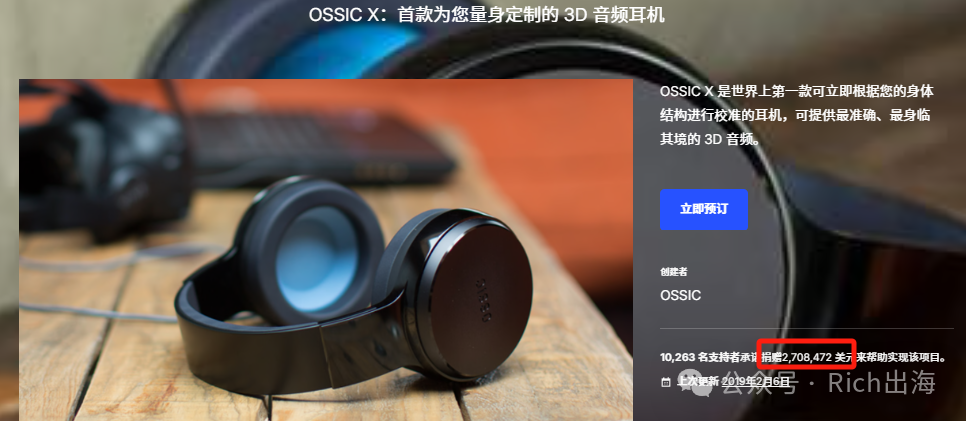
Today, we delve into a prominent case study of a crowdfunding project that raised millions but ultimately failed to deliver, leaving a trail of disappointed backers.
Project Overview
In 2016, OSSIC X launched as the world's first 3D audio headphones capable of real-time calibration based on a user's head and ear shape. The project raised over $3 million across Kickstarter and Indiegogo, promising an unprecedented immersive sound localization experience for music, movies, and VR games, powered by head tracking and personalized HRTF calibration algorithms.
Founded in 2015 by former audio engineers from companies like Beats and Harman, OSSIC claimed its mission was to transcend the flat soundstage limitations of traditional headphones, bringing true spatial audio into everyday use. The campaign secured $2.7 million from 10,263 backers on Kickstarter, followed by additional sales on Indiegogo, bringing the total raised to $3.2 million. However, in 2018, OSSIC announced its bankruptcy. Only 80 units were shipped to $999-tier developers, leaving nearly 22,000 pre-orders unfulfilled. Backers received neither product nor refund.
Let's examine how this project managed to attract $3.2 million in funding.

Key Selling Points and Technology
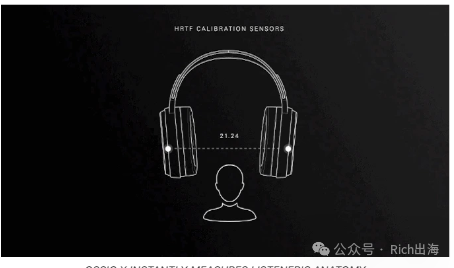
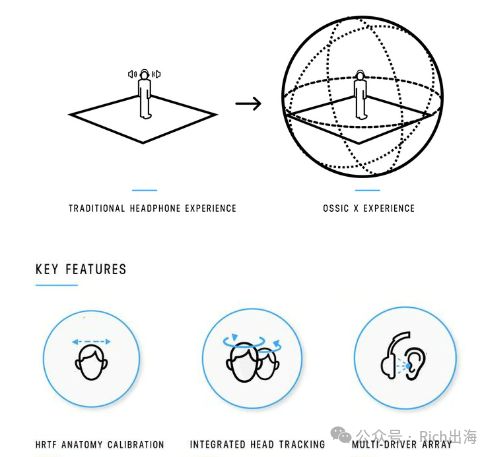
**1. Personalized HRTF Calibration:** Upon activation, the OSSIC X headphones were designed to instantly measure the user's head and ear characteristics using built-in sensor modules. This data would generate a personalized Head-Related Transfer Function (HRTF), aiming to deliver '10x immersion' through precise 3D soundstage localization.
**2. Multi-Driver Array:** Each headphone unit boasted up to eight speaker drivers—significantly more than the two typically found in conventional headphones. They were also equipped with six environmental microphones and accelerometers to enable head tracking and noise suppression, precisely rendering sound source positions across x, y, and z three-dimensional coordinates.
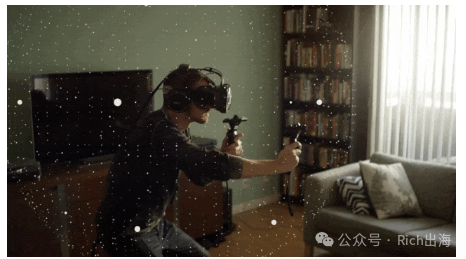
**3. Full-Duplex Head Tracking:** Integrated gyroscopes and accelerometers captured head movements, allowing audio algorithms to dynamically match external surround sound signals with the user's head orientation in real-time. This feature aimed to enhance 'presence' in VR environments and improve directional sound recognition in games.
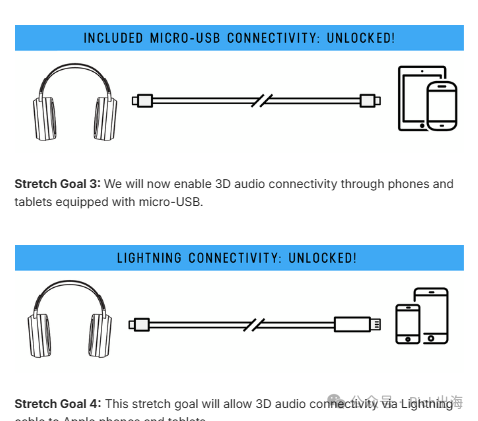
**4. Multi-Platform Compatibility:** The headphones offered compatibility with stereo, 5.1, 7.1, and native 3D audio outputs from game engines via AUX and USB interfaces. They also provided plugin support for platforms like Unity, Unreal, FMOD, and VST/AU, facilitating rapid integration for developers.
**5. Plug-and-Play & Cross-Industry Applications:** OSSIC X promised automatic calibration simply by wearing the headphones, eliminating the need for laboratory measurements. It was marketed for a wide range of applications, including music, movies, VR, esports, and professional acoustic design, aiming to pioneer the consumer market for personalized 3D audio.
Spatial Audio Market: Trends and Outlook
The global spatial audio market reached USD 2.5 billion in 2023, with a projected Compound Annual Growth Rate (CAGR) of 12.4% from 2023 to 2030, expected to exceed USD 6.5 billion by 2030. Consumer-grade surround sound headphones are expanding at an annual growth rate of 8%, with VR/AR, esports, and home theater identified as key growth sectors.
**Technological Evolution:** Object-based 3D audio technologies (e.g., Dolby Atmos, DTS:X) are increasingly being integrated into headphones, driving demand for HRTF personalization and head tracking. Future 3D headphones are expected to evolve towards integrated automatic HRTF calibration, active noise cancellation, and lightweight wireless designs to enhance wearable comfort.
**Key Players:** Major players include Sony (360 Reality Audio), Apple (Spatial Audio), and Meta (3D Audio). Emerging brands like Audeze Mobius, Razer Opus X, and Campfire Audio are also focusing on delivering advanced spatial audio experiences.
As spatial audio standards and HRTF personalization algorithms mature, and as demand for immersion in VR/AR, esports, and home entertainment surges, brands with robust technology and stable supply chains are poised for new opportunities.
Backers received neither product nor refund.