EthyloKey Portable Alcohol Detector Surpasses $200K on Kickstarter
Crowdfunding Analysis · · PledgeRadar Editorial
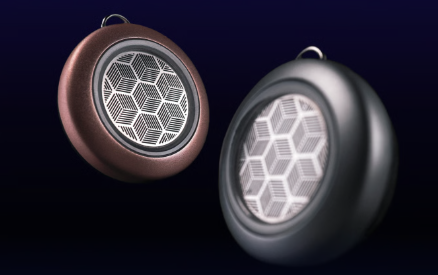
The need for personal alcohol detection is universal. Many drivers grapple with uncertainty about their blood alcohol content (BAC) after social events or even consuming items like liqueur chocolates, fearing legal repercussions. This concern is global, as impaired driving remains a serious offense worldwide. A new product aims to address this common dilemma, potentially becoming an essential tool for car owners.
Introducing EthyloKey
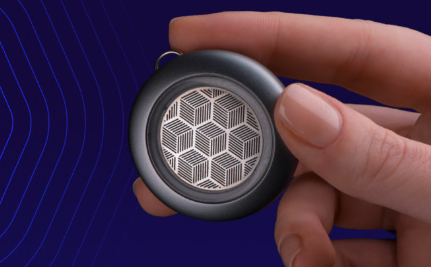
EthyloKey is a touch-activated, portable personal alcohol detector designed for quick self-testing after work, parties, or before travel. Its simplified 'touch-and-know' process helps users with daily risk prevention, making it suitable for social gatherings, pre-ride-sharing checks, post-corporate event self-assessments, and for individuals prioritizing health and legal compliance.
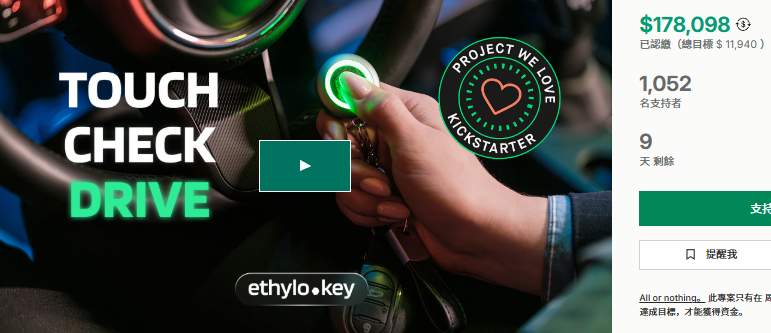
Currently crowdfunding on Kickstarter, EthyloKey has surpassed $180,000 in pledges, attracting over 1,000 backers. While this funding scale doesn't match the multi-million dollar surges seen in some hardware projects, it clearly indicates a defined market demand within the health and safety tool category.

Product Core Innovations
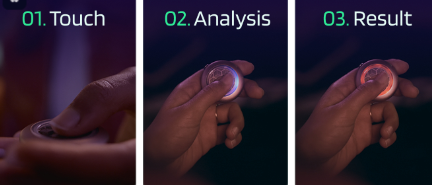
The product's most significant innovation is transforming the traditional 'blow-and-wait' alcohol detection process into a touch-activated interaction, using finger or electrode contact. This design significantly lowers the barrier to user adoption and increases usage frequency, making routine self-checks a practical daily habit.
Key to this functionality is the sensor's sensitivity and response time to trace alcohol and related volatile organic compounds (VOCs). If the product uses a semiconductor MOS sensor, it offers lower cost but is susceptible to environmental interference. An electrochemical fuel cell sensor provides better sensitivity and linearity but at increased cost and size. Manufacturers must implement software algorithms for temperature drift compensation, environmental compensation, and baseline calibration to ensure accuracy in real-world conditions.
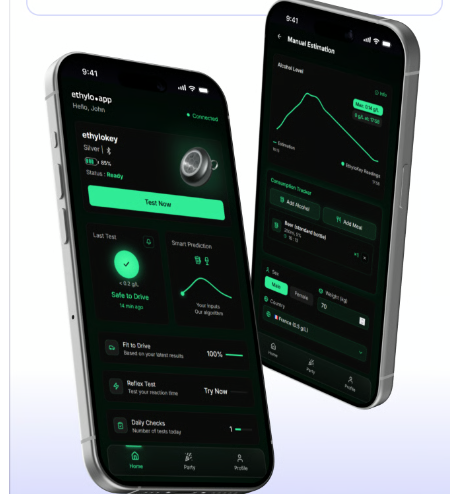
A companion mobile application can record detection history, perform trend analysis, set alert thresholds, support multi-user configurations, and log time and location. Incorporating model-based predictive functions could estimate future alcohol metabolism rates, empowering users to make more informed decisions.
The prerequisite for any predictive function is transparent disclosure of model input variables and uncertainties. Factors like drinking volume, body weight, gender, and metabolic rate differences significantly impact prediction accuracy. The product must explicitly remind users that this function is 'for informational purposes only, not legal proof,' to prevent dangerous misjudgments.
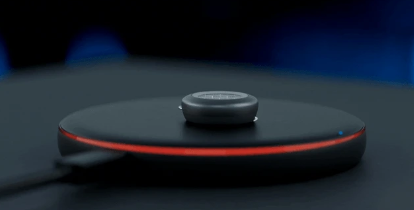
Qi wireless charging enhances daily portability and charging convenience, while its compact form factor truly makes it a pocket-sized detection tool. This design reduces the friction of use, encouraging more frequent self-checks.
The design must balance sealed waterproofing with the sensor's gas sensitivity. A sweat- and water-resistant casing presents an inherent conflict with an exposed sensor area. Manufacturers need to carefully weigh maintainability against protective performance.
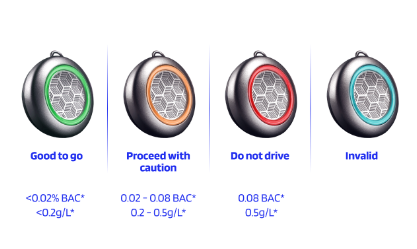
The device provides instant, single-touch feedback via color codes (green, yellow, red), allowing users to quickly assess their suitability for driving or other activities. This immediate visual feedback aligns with consumer product usage habits, reducing cognitive load for information interpretation.
The core premise is that 'the BAC/BrAC values corresponding to the color codes must be precise and supported by calibration evidence.' User education is equally crucial; color codes can assist in deciding not to drive, but they must never replace legal enforcement devices.
Support for data sharing and monitoring among family members or friends could extend the product's value in social settings. For example, it could help companions at a party determine if they are fit to drive, or provide a tool for safety management during corporate team-building events.
Implementing multi-user features must strictly adhere to data privacy regulations. If the application uploads cloud data for analysis and prediction, the manufacturer must clearly outline data storage strategies, cross-border transfer policies, and user consent processes, paying particular attention to international privacy norms like GDPR.
Market Analysis and Outlook
Personal portable alcohol detectors are a consumer segment within the broader alcohol detection and impaired driving prevention market. In recent years, this category has shown growth in both consumer applications (personal, family, ride-sharing) and corporate compliance (occupational safety, workplace). Factors such as increased remote travel, the rise of designated driver services, the proliferation of ride-sharing platforms, and corporate requirements for employee safety have all contributed to this market expansion.
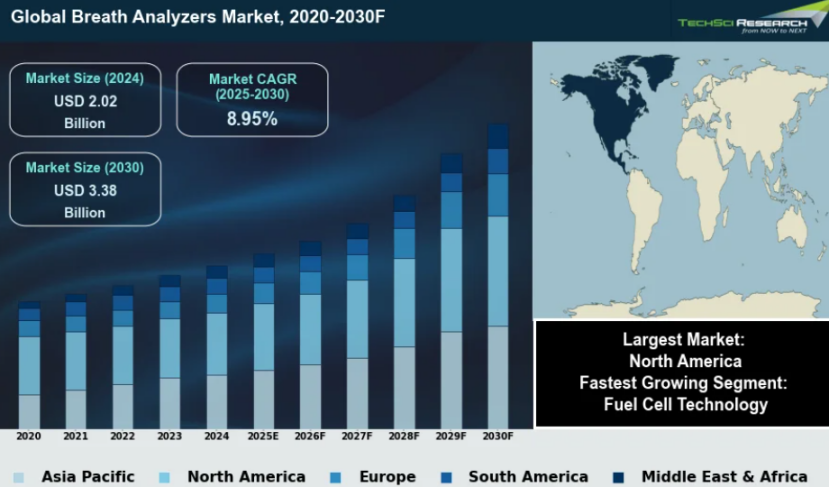
According to a TechSciResearch report, the global portable breathalyzer market was approximately $202 million in 2024 and is projected to grow to about $338 million by 2030, at a compound annual growth rate (CAGR) of approximately 8.95%. Different research organizations vary widely in their scope; some only count consumer-grade portable devices, while others integrate law enforcement devices, in-car systems, testing services, and complete solutions, leading to market size estimates ranging from hundreds of millions to billions of dollars. Overall, the consumer-grade segment maintains a near double-digit CAGR within the total market.
In terms of competition, brands like BACtrack, Alcohoot, AlcoSense, and AlcoHawk hold significant shares in the consumer portable market, typically characterized by mobile app connectivity and prices ranging from tens to hundreds of dollars. The law enforcement and industrial-grade markets are dominated by specialized manufacturers such as Dräger, Lifeloc, and Intoximeters, whose products feature high-precision electrochemical sensors and complete forensic certification.
It's crucial to note that this industry has seen cautionary tales. Brands like Breathometer faced regulatory and legal challenges due to accuracy issues and exaggerated marketing claims, serving as an important warning for new entrants. EthyloKey's opportunity for differentiation lies in combining 'convenience (touch interaction) + verifiable accuracy (third-party calibration reports) + systematic user education.' Without evidence of precision and relying solely on interactive innovation, the long-term reputation and risk of returns and complaints could be high.
There is a significant and genuine consumer demand for personal portable alcohol detectors, with users seeking 'on-demand self-checks to determine if they are safe to drive or participate in activities.' However, long-term, scalable commercial success hinges on three critical elements: verifiable sensor accuracy, relevant compliance certifications, and systematic user education. Provided these conditions are met, the consumer segment is poised for steady growth and is likely to become an important component of the personal safety and smart health device ecosystem.
Users seek 'on-demand self-checks to determine if they are safe to drive or participate in activities.'