KATWalkC2 VR Treadmill: From Kickstarter Success to Commercial Reality
Crowdfunding Analysis · · PledgeRadar Editorial
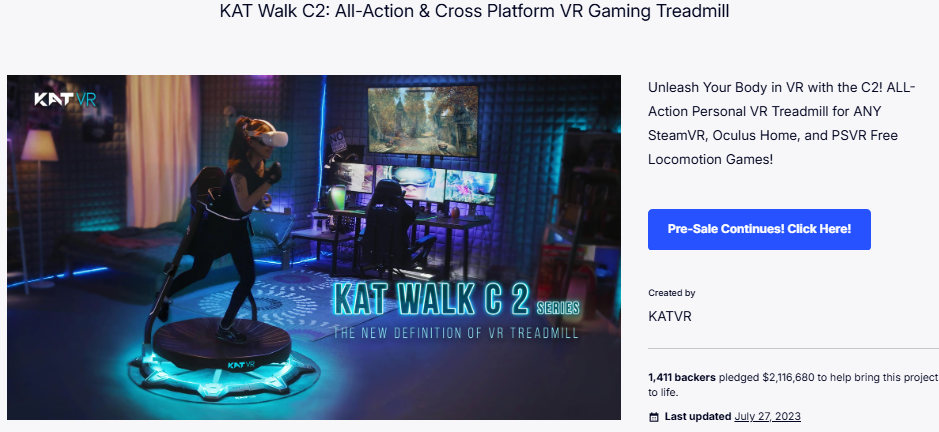
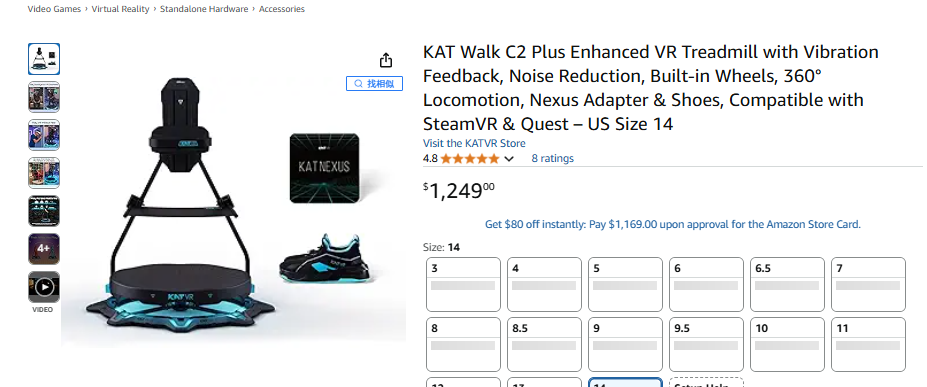
Launched on Kickstarter in 2022, the KATWalkC2 VR omnidirectional treadmill successfully secured $2.11 million in funding. The campaign not only performed exceptionally during its crowdfunding phase but, more importantly, achieved a successful transition from a conceptual project to a commercialized product. Widespread media coverage, forum discussions, and video reviews rapidly built brand awareness. Today, the KATWalkC2 has moved beyond a pure crowdfunding model and is available for commercial purchase through major retail channels, including the company's official website and Amazon.
Product Highlights
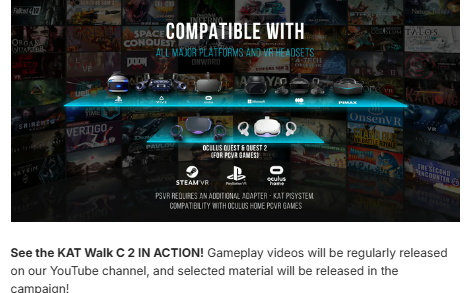
The KATWalkC2 boasts extensive cross-platform compatibility, supporting SteamVR, Oculus Home, and PSVR (via adapter). It also integrates with Quest/Quest 2 through AirLink/Virtual Desktop, ensuring compatibility with any VR game that supports free locomotion.
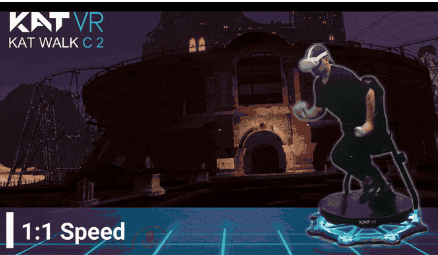
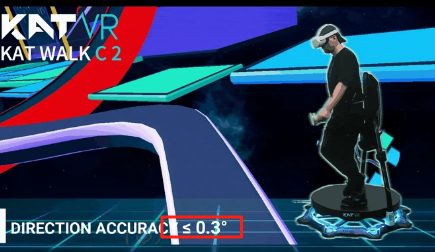
Engineered for high-precision tracking, the KATWalkC2 features a positioning latency of ≤10ms, distance accuracy of ≤0.12mm, and directional accuracy of ≤0.3°. This enables 1:1 speed mapping and advanced 2D optical foot tracking for a highly immersive experience.
Designed for comprehensive interaction, the system includes an integrated sitting module and a vehicle simulator hub. It provides haptic feedback through its base and platform vibration system, supporting seamless transitions between standing, sitting, and driving scenarios.
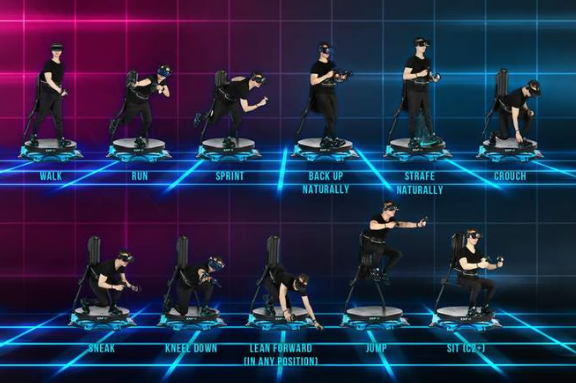
Safety is paramount, with an external waist harness and an 'anti-gravity' safety mechanism. Users can adjust shoe covers and friction levels, allowing for a wide range of movements including jumping, crouching, and strafing.
KATVR's Vision and Market Position
Since 2013, KATVR has specialized in the research and development of VR locomotion peripherals, accumulating extensive technical expertise and a diverse product line in the VR treadmill sector. The company positions itself as a leading innovator in this field, continuously investing in R&D and launching multiple product models. Overall, users highly praise the immersive experience offered by KATVR products, while maintaining a keen interest in aspects such as pricing, compatibility, and durability.
Market Analysis
While the VR omnidirectional treadmill market is currently niche, it is experiencing rapid growth. According to various market research reports, this segment was valued between tens of millions and hundreds of millions of USD in 2023-2024, with projections for double-digit compound annual growth rates in the coming years. This expansion is primarily driven by the increasing adoption of VR technology, demand for enhanced entertainment experiences, and the expanding application of VR in medical training.
The competitive landscape shows clear differentiation. The Virtuix Omni series targets the compact home market, while brands like Cyberith, Infinadeck, and Nomada focus on high-end commercial and research-grade markets, offering advanced technology at a premium price. KATVR, in contrast, aims for a balance of cost-effectiveness and functionality, emphasizing cross-platform compatibility, integrated features, and commercial viability.
Market demand stems from three main areas: consumers' core need for immersive VR gaming and free movement; commercial applications in experience centers, as well as professional simulation training for military, police, and medical sectors; and innovative VR training applications in fitness and rehabilitation.
However, market development faces significant challenges. High price points and spatial requirements limit household adoption. Product compatibility relies heavily on the support of game developers. Furthermore, hardware durability, after-sales service, and the common delivery risks associated with crowdfunding projects can all impact brand reputation and market acceptance.
Despite a growing market, VR omnidirectional treadmills face hurdles like high price points, space requirements, and the critical need for robust game developer support.