Non-Invasive Blood Glucose Smart Ring Raises $120K in Two Days on Kickstarter
Crowdfunding Analysis · · PledgeRadar Editorial
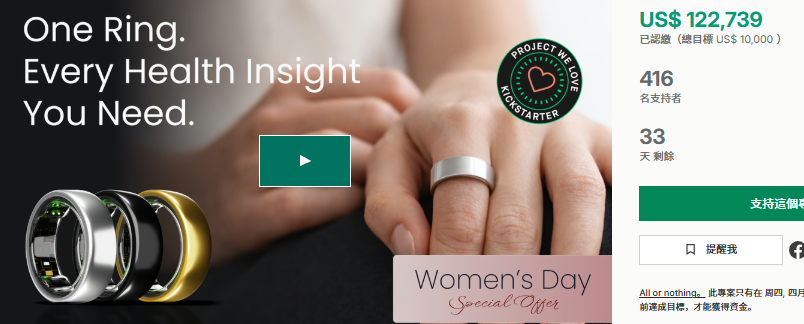
PINPulse launched on Kickstarter in March 2026, quickly exceeding its funding goal and raising approximately $120,000 within two days. Early bird pricing was set at around $249. This marks the third crowdfunding campaign for the PinUniverse team in over two years, with previous campaigns successfully delivering to users in more than 60 countries. This track record of verifiable shipments significantly reduces delivery uncertainty for the new product. Feedback from various community channels indicates that backers are most interested in the core feature of non-invasive blood glucose insights, with overall sentiment leaning positive. However, some media outlets maintain a cautious stance on the actual accuracy of PPG-based solutions.
Product Core Features
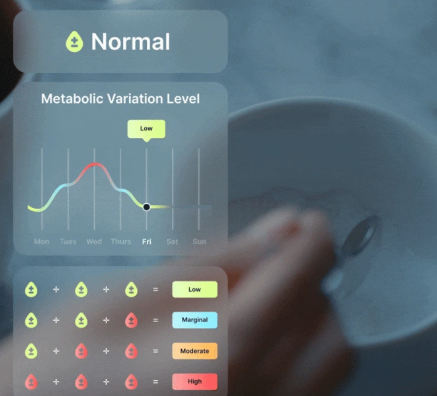
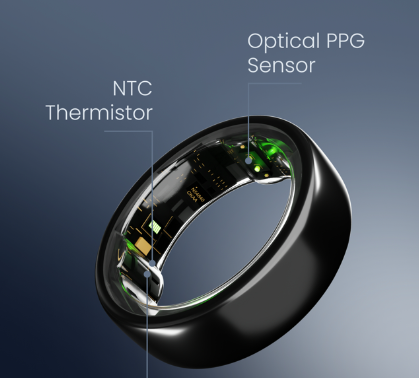
PINPulse claims to provide reference insights into post-meal blood glucose trends using advanced photoplethysmography (PPG) sensors combined with AI algorithms. The product team explicitly positions it as a health reference tool, not a medical diagnostic device. From a technical perspective, PPG sensors capture optical signals from the fingertip to identify changes in blood flow, which a machine learning model then maps to blood glucose trend estimations. Academically, multiple recent studies have shown the feasibility of this approach for trend estimation in controlled scenarios. However, consistently stable output under variables like individual differences, wearing tightness, and environmental interference still presents significant engineering challenges. The positioning of "insights" rather than "measurements" is both a cautious expression for regulatory compliance and an honest reflection of the current maturity of the technology.
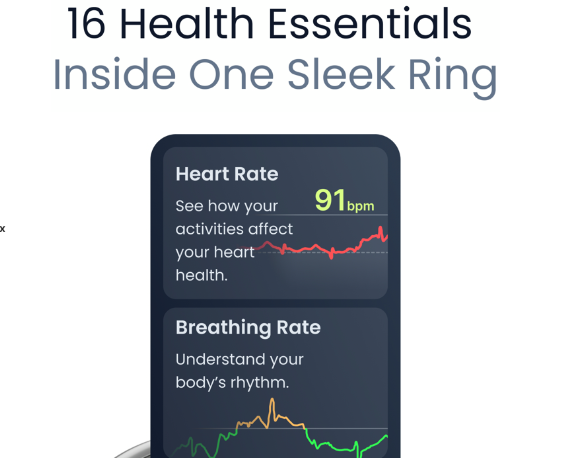
The product integrates 16 physiological indicators within a single ring, including heart rate, HRV, blood oxygen, respiratory patterns, body temperature, stress index, and metabolism-related metrics. It also provides personalized health recommendations and long-term trend views via AI. Heart rate, blood oxygen, and sleep stage monitoring are mature wearable capabilities with extensive commercial validation. Blood pressure trend estimation typically combines PPG with initial cuff calibration, a well-established industry method, though it requires periodic recalibration to maintain accuracy. The value of multi-parameter integration lies in allowing users to obtain a relatively complete health snapshot from one device, eliminating the need to switch between multiple devices worn on the wrist or finger.
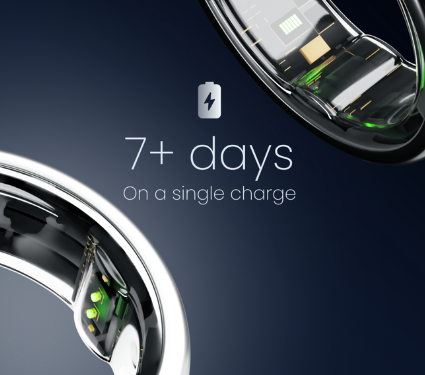
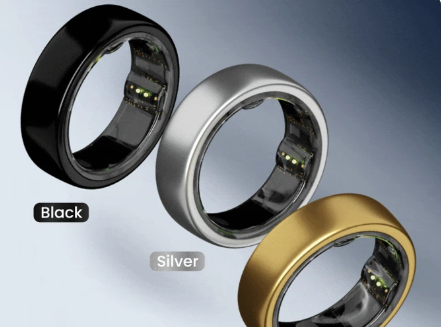
The product features a titanium alloy body, weighing less than 4g, with a battery life exceeding 7 days. It supports 5ATM waterproofing, designed for a "wear it and forget it" passive, continuous monitoring experience. This combination of specifications is considered above average among current mainstream smart rings. Titanium alloy balances strength and lightweight design, while low-power sensors and firmware optimization are technical prerequisites for achieving multi-day battery life, all representing mature, implementable solutions within the industry.
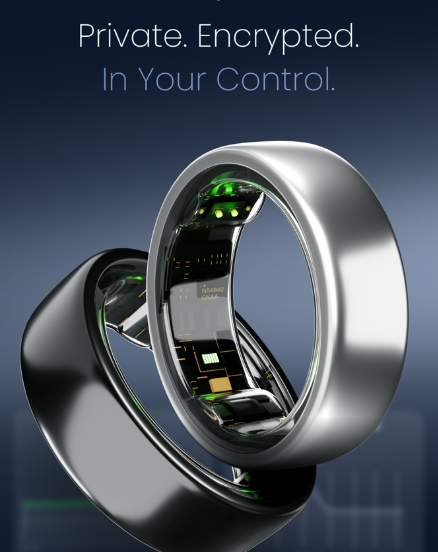
The product operates on a buy-out model, meaning all health features are available without a monthly fee, and data is encrypted and stored locally, giving users full control over their information. This model directly competes with Oura's subscription-based ecosystem, offering clear appeal to users unwilling to pay long-term fees. The trade-off is limited backend cloud service capabilities, leading to relatively weaker long-term model iteration and data accumulation potential—a common business model dilemma for buy-out health wearables.
PinUniverse: A Track Record of Delivery
PinUniverse is an independent startup team focused on smart health rings, led by founder Rishi. They have successfully completed two previous Kickstarter crowdfunding campaigns and delivered to thousands of users in over 60 countries, making them one of the few wearable hardware teams with multiple crowdfunding delivery records.
Market Analysis
The smart ring market is currently experiencing rapid expansion, though different research institutions report varying figures. Combining data from multiple research firms, the global smart ring market size in 2024 is estimated to be between $300 million and $700 million, projected to grow at a compound annual growth rate (CAGR) of 20%–30% until around 2030. North America accounts for approximately 40% of the global market share, making it the most mature single market.
Growth drivers include increasing consumer demand for continuous health monitoring, the product trend of wearable devices extending from the wrist to the finger, and the rapid popularization of AI-driven personalized health recommendation features.
The competitive landscape is highly concentrated. Oura is the absolute dominant player in the current market, holding approximately 80% of global smart ring sales in 2023. In December 2024, Oura completed a $200 million funding round, valuing the company at $5 billion, and continues to strengthen its data ecosystem through acquisitions (e.g., SpartaScience, Veri). Ultrahuman ranks second with about 12% market share, emphasizing a no-subscription-fee strategy and having established a manufacturing base in the United States.
Samsung made a strong entry in 2024 with the Galaxy Ring, rapidly accumulating users by leveraging its existing Samsung Health ecosystem. Overall, the smart ring market is transitioning from Oura's sole dominance to a multi-polar competition. However, brand trust and data accumulation barriers in the high-end market are considerably high. The core path for new entrants to break through lies in technological differentiation, and PINPulse's focus on metabolic health insights addresses a functional gap not yet maturely covered by existing mainstream products.
Positioning insights rather than measurements is both a cautious expression for regulatory compliance and an honest reflection of the current maturity of the technology.