Prynt: The Mobile Photography Innovator That Raised $1.57M on Kickstarter a Decade Ago
Crowdfunding Analysis · · PledgeRadar Editorial
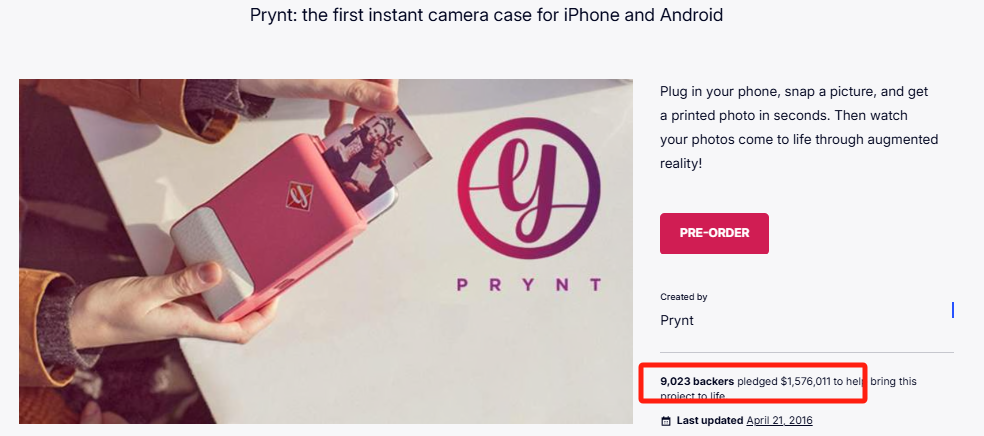
Prynt officially launched its 35-day crowdfunding campaign on Kickstarter on January 27, 2015. The innovative product initially set a modest goal of $50,000, but its unique concept and practical value quickly garnered an enthusiastic market response. By the campaign's close on March 3, 2015, Prynt had successfully attracted 9,023 backers, raising a cumulative $1.57 million, exceeding its target by approximately 3152%.
Product Core Selling Points
**Instant Print Technology**
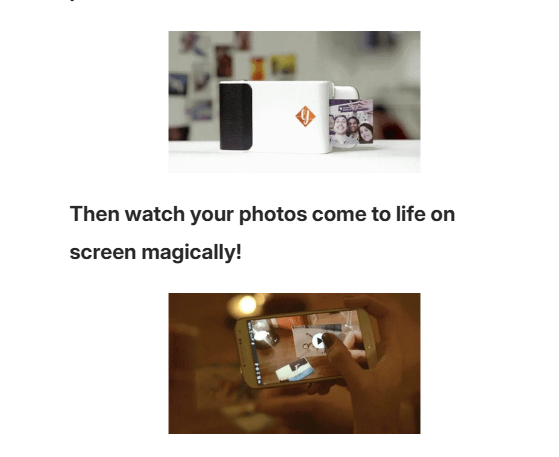
Prynt utilizes advanced ZINK (ZeroInk) thermal printing technology, eliminating the need for traditional ink cartridges. Users can print high-quality photos directly from their phones in just 30 seconds, delivering a truly convenient 'shoot and print anywhere, anytime' experience.
**Augmented Reality (AR) Imaging Feature**
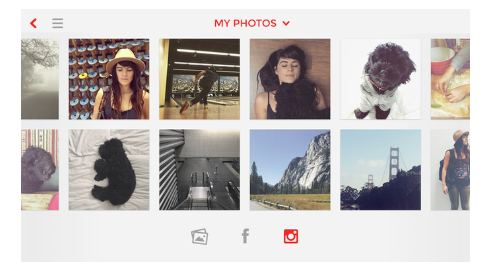
This is one of Prynt's most innovative features. While taking a photo, the Prynt app automatically records a short video and uploads it to the cloud. Users simply point their phone camera at the printed photo, and the screen will play the recorded video content, injecting dynamic 'magic' into static images and creating an unprecedented interactive experience.
**Modular Compatibility Design**
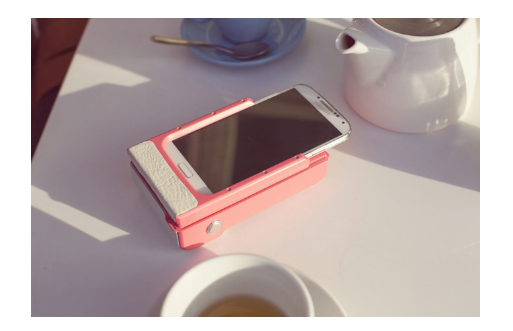
The product features a detachable design for the phone case and printing module, supporting multiple mainstream iOS and Android models. When users upgrade their phones, they only need to purchase the corresponding adapter base, avoiding the need to buy an entirely new device and significantly enhancing the product's usability and cost-effectiveness.
Aesthetics and Portability
Prynt also paid close attention to its aesthetic design, offering four color options—black, white, pink, and blue—and equipped with a faux leather grip. This design maintains a retro film camera aesthetic while incorporating modern fashion elements. Its lightweight and compact design makes it ideal for carrying during outings, parties, and travel.
Sustainable Supply System
Each Prynt device includes 10 sheets of printing paper, and users can order refill packs directly through the dedicated app. An additional 50-sheet refill pack can be purchased for every $25 spent, ensuring users can continuously enjoy the printing experience.
Brand Story
The Prynt brand was founded in 2014, reportedly developed by an innovative French team. During the product development phase, the team was successfully selected for the Shenzhen HAX hardware accelerator program, receiving professional technical support and business guidance. In 2015, Prynt officially debuted at CES, immediately attracting attention and praise from several renowned media outlets, including CNN, which described it as 'like a real-life Instagram.'
Prynt's core philosophy is to perfectly combine the delightful experience of classic instant film cameras with modern smartphone technology. Through synergistic hardware and software innovation, they aimed to create a new way for users to instantly share images. The successful Kickstarter campaign not only completed its initial market validation but also accumulated valuable user reputation for subsequent retail channel expansion and brand building.
Market Outlook and Competitive Landscape
In terms of industry scale, 2015 marked a period of rapid expansion for the global mobile photography accessories market. Instant printing devices were evolving from niche hobbyist gadgets to a mainstream choice for gifts and social occasions. Industry forecasts predicted that the portable photo printing market would achieve an annual compound growth rate exceeding 12% between 2015 and 2020, demonstrating strong growth potential.
The primary drivers for market growth included three aspects: firstly, the increasing demand for social sharing, with younger consumers eager to share offline experiences, and physical photos retaining unique collection value and a sense of ritual; secondly, the push from technology integration trends, as continuous advancements in AR technology, cloud storage capabilities, and smartphone hardware performance provided technical possibilities for cross-industry innovative products; finally, the rise of the gift and experience economy, where unique 'dynamic-static combined' photos held greater appeal and conversational value in social settings like holidays and parties.
In the competitive landscape, Prynt faced major competitors such as Fujifilm's InstaxShare SP series and Polaroid mobile printers. However, most of these competing products focused solely on printing functionality, lacking value-added features like AR, which provided Prynt with a differentiated competitive advantage. At the same time, the product also faced key challenges such as balancing cost and selling price, managing the long-term printing paper supply chain, and building an app ecosystem.
Looking ahead, with the continued heating up of the consumer electronics market and the experiential gift market, innovative products integrating printing, AR, and social sharing functions will possess strong differentiated competitiveness. If Prynt can continuously iterate hardware compatibility, optimize the user app experience, and deepen its integration with social platforms, it has the potential to maintain a leading position in this niche market long-term, becoming a prime example of innovation in mobile photography experiences.
CNN described it as 'like a real-life Instagram.'