C-Rebro Alpha Sleep Headband Raises $100K on Kickstarter with Bone Conduction Neurostimulation
Campaign Teardown · · PledgeRadar Editorial
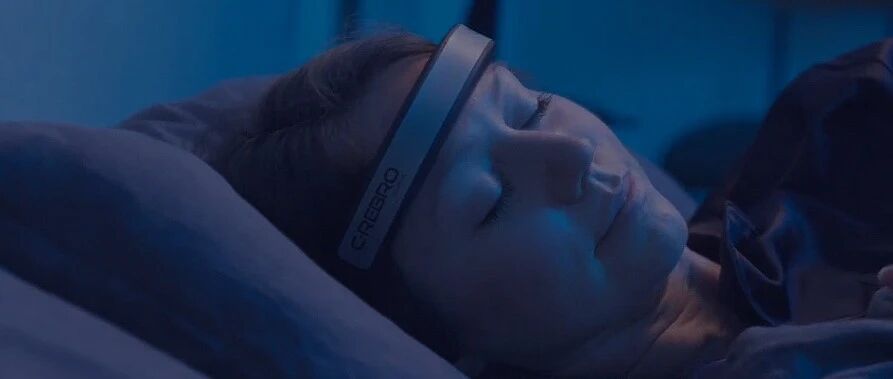
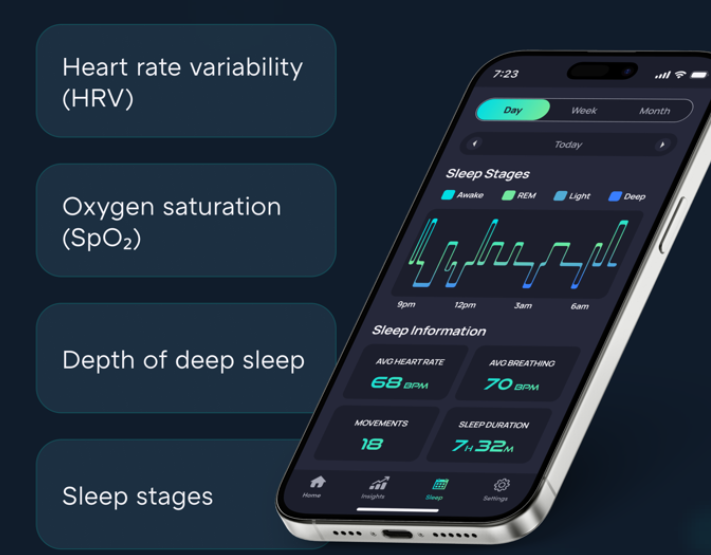
GammaWave, a London-based company, has introduced the C-Rebro Alpha, a closed-loop sleep enhancement headband. Utilizing four-wavelength PPG, near-infrared, and inertial sensors, it monitors heart rate variability, blood oxygen saturation, and sleep stages in real time. When sleep interruptions or difficulty falling asleep are detected, the device applies gentle neurostimulation signals via bone conduction, aiming to actively guide the brain into deeper, more restorative sleep rather than merely recording data.
Campaign Performance and Development
The C-Rebro Alpha launched on Kickstarter on May 26, 2026, concluding its campaign with $100,000 raised from 383 backers. This marked GammaWave's inaugural crowdfunding effort. The company states the product is its seventh prototype, indicating a substantial development period rather than a first-time prototype. However, the campaign's public relations and brand marketing did not present a particularly compelling narrative, which may have impacted backer trust and broader acceptance of the product's core functionalities.
Core Product Features
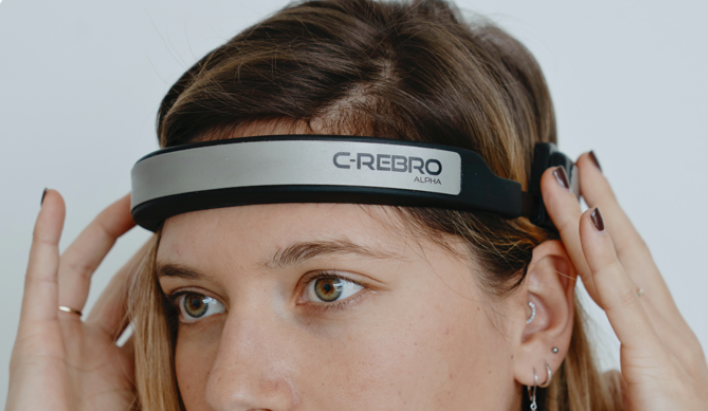
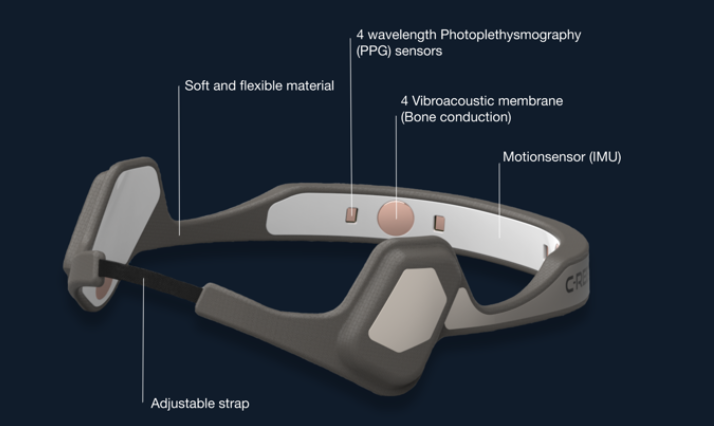
The C-Rebro Alpha transmits soothing low-frequency signals through its headband structure, allowing users to 'feel' sound rather than just hear it, creating a zero-fatigue listening experience that bypasses the ear canal. This bone conduction path offers advantages over traditional earbuds or headphones, as it avoids ear canal blockage, pressure, or discomfort from overnight wear, and prevents audible sound from disturbing a bed partner. The product's official claims state no earbuds are needed and no audible sound will disturb a partner. While this design directly addresses long-standing comfort issues in sleep audio devices, the inherent signal strength and frequency range limitations of bone conduction technology raise questions about its ability to achieve sufficient neuro-regulation effects in practical use.
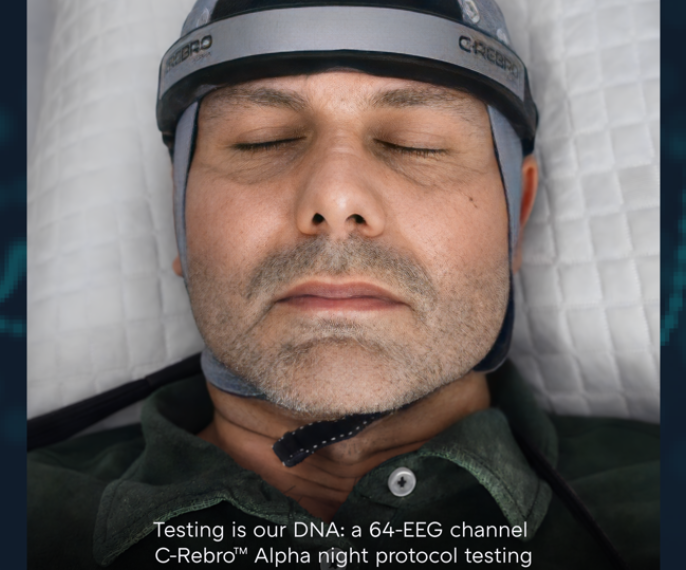
The device employs four-wavelength PPG, near-infrared sensors, and an inertial measurement unit (IMU) to monitor heart rate variability, blood oxygen saturation, sleep depth, and sleep stages. Based on this data, it dynamically adjusts its closed-loop neurostimulation protocol, responding in real-time to user movement or re-awakening. This closed-loop design ensures neurostimulation is not a fixed pattern but dynamically adjusted based on real-time physiological signals, theoretically preventing inefficient, one-size-fits-all stimulation. The company claims sleep stage detection approaches laboratory-grade accuracy, and brainwave activity monitoring, based on PPG, nears PSG-level accuracy. However, PPG (photoplethysmography) is an indirect optical measurement, fundamentally different from true electroencephalography (EEG) or polysomnography (PSG). The 'near PSG-level accuracy' claim currently relies on the company's internal test data, with independent third-party clinical validation yet to be publicly released.
Unlike other sleep devices, the C-Rebro Alpha doesn't just track sleep; it continuously learns from user sleep patterns and fine-tunes its neurostimulation protocol accordingly, aiming for a personalized sleep optimization experience. This personalized learning mechanism suggests that the device's actual effectiveness should theoretically improve with extended use, aligning with approaches seen in competitors like Somnee, which employs phased modeling and lifelong learning. The convergence speed and long-term stability of actual personalized effects depend on the scale and quality of the algorithm's training data—a core technical challenge faced by all consumer-grade closed-loop neurostimulation devices, which currently rely primarily on proprietary data and lack unified independent evaluation standards.
The brand has disclosed early usage data indicating approximately a 40% increase in deep sleep and an 82% improvement in next-day focus after using the device. While these figures are highly attractive, details regarding the corresponding study design (sample size, control group setup, measurement methods) are not publicly available and originate from the company's internal early tests. GammaWave states the headband design has been refined over eight years, with its R&D lab located near UC Berkeley. This geographic and academic proximity echoes established competitors in the sleep technology field, such as Somnee, which also originated from Berkeley. However, the C-Rebro team's clinical validation system currently has limited transparency, making the publication of independent peer-reviewed papers a critical threshold for this selling point to gain true credibility.
Global Market and Competitive Landscape
The global sleep technology device market is experiencing rapid growth, with an estimated size of approximately $24.85 billion in 2024. It is projected to grow at an 18.5% CAGR to reach around $134.6 billion by 2034. Wearable devices constitute approximately 75.7% of this market, establishing themselves as the dominant product form. Focusing on the wearable sleep tracking sub-segment, the market size is estimated between $14.9 billion and $15.1 billion in 2024, with a projected CAGR of 10.7% to 10.84%, reaching $40.8 billion to $41.7 billion by 2034. North America leads the global market with over 43% of the share. Growth drivers include the continuous rise in the prevalence of insomnia and sleep disorders globally, a systemic increase in consumer awareness of sleep health, and the rapid penetration of AI-driven personalized algorithms in health wearables.
In terms of the competitive landscape, Somnee is currently the most academically credible competitor in the active neurostimulation sleep headband market. Developed by StimScience Inc., founded by four neuroscientists from UC Berkeley—including 'Why We Sleep' author Matthew Walker and cognitive function expert Robert Knight—Somnee's technology utilizes personalized transcranial alternating current stimulation. It has published a 2023 peer-reviewed paper and a 2025 white paper, claiming to help users fall asleep approximately 50% faster and reduce night awakenings by about 33%. Somnee also employs a bone conduction audio design to avoid ear canal pressure, making its hardware approach highly similar to C-Rebro Alpha's. In the broader sleep tracking market, brands like Oura, Apple Watch, Eight Sleep, and Withings hold significant consumer mindshare, but their core functionalities remain focused on monitoring and next-day reporting, lacking active neurostimulation intervention capabilities. C-Rebro Alpha and Somnee jointly represent the industry's evolution from tracking to active modulation. However, Somnee's established academic backing and published peer-reviewed research create a clear gap in clinical credibility compared to C-Rebro Alpha, which currently relies primarily on company-specific data and narrative. This disparity represents a market trust deficit that C-Rebro Alpha must actively address post-delivery, and it will be a critical factor in determining its ability to translate crowdfunding momentum into long-term consumer loyalty.
Sleep technology is genuinely evolving from mere tracking to active neuro-modulation—a real and competitive direction that is not yet fully settled. C-Rebro Alpha has chosen a technical route similar to an academically backed competitor. Its ability to truly establish itself will hinge on quickly completing independent clinical validation, transforming figures like '40% deep sleep increase' from company self-reports into scientifically verifiable, peer-reviewable conclusions.
The C-Rebro Alpha and Somnee jointly represent the sleep technology industry's evolution from passive tracking to active neuro-modulation.