Craftphilia: Analyzing the Desktop Tufting Machine's Kickstarter Launch
Campaign Teardown · · PledgeRadar Editorial
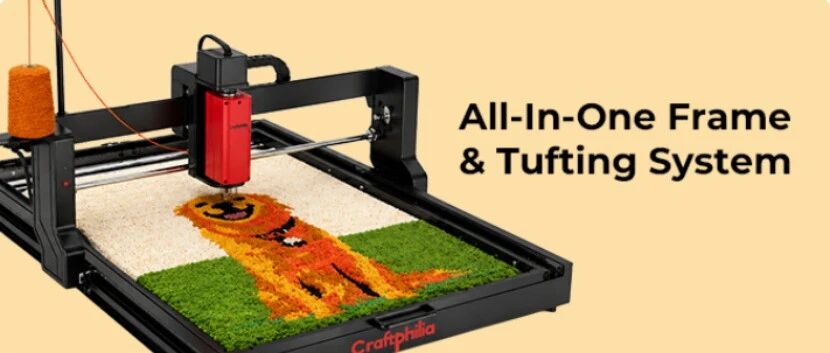
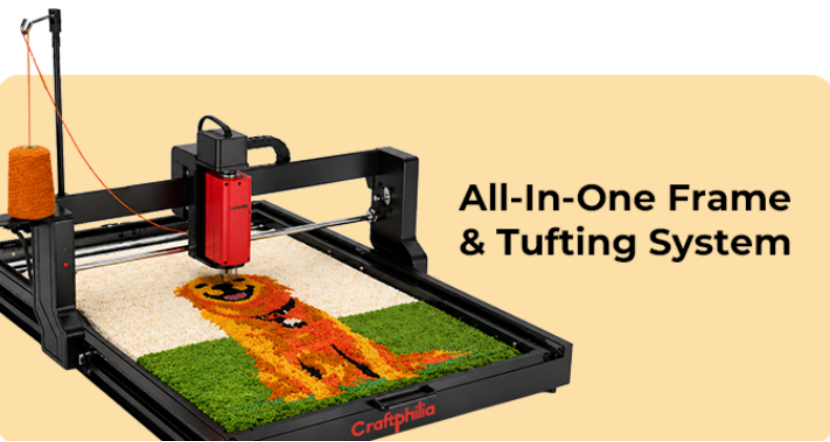
Craftphilia is a desktop automatic tufting machine designed for individual creators and small studios. It integrates the traditional manual stretching frame, tufting gun, and two-dimensional motion system. Users import images, set colors, paths, and pile heights, and the machine automatically moves along the pattern, similar to a CNC device, embedding yarn into the base fabric.
Introducing Craftphilia: Automated Tufting for Creators
This device aims to address the most time-consuming aspects of manual tufting: prolonged holding of the tufting gun, stable movement along lines, and controlling stitch spacing and density. It is suitable for creating rugs, wall art, coasters, fabric patches, and small batches of repetitive patterns. However, it primarily automates the tufting process; subsequent gluing, trimming, carving, and edging still require manual effort.
Craftphilia launched on Kickstarter on June 16, 2026, raising $400,000 in just three days. The campaign offers two versions, Craftphilia 50 and 70, with super early bird pricing starting at $499 and $589, respectively. Bundles including extension components begin at $849. The project is set to run until mid-July, and we estimate it could potentially reach $1 million in funding.
Key Product Features
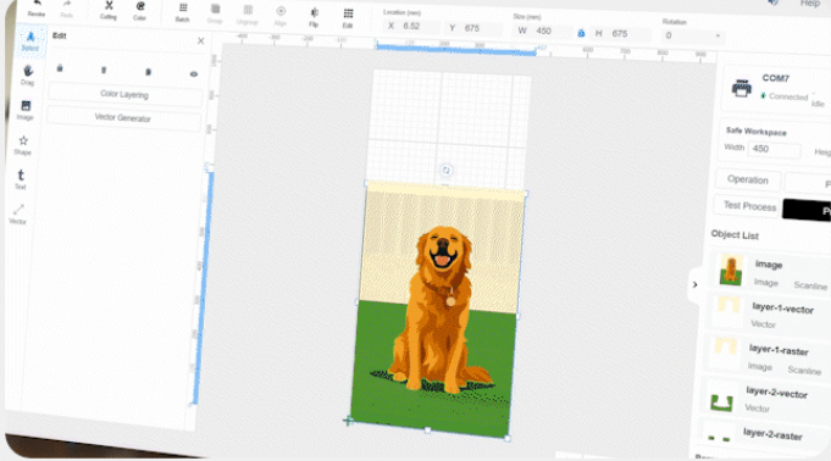
The accompanying Craftphilia Studio software allows users to import images, divide them into different color regions, and then adjust tufting paths, colors, and pile heights before sending them to the machine. For beginners lacking stable hand control, automated pathing promises to reduce issues like distorted curves, uneven filling, and inconsistent stitch spacing.
However, the quality of the finished product still heavily relies on the software's image segmentation and path planning. Gradients, fine lines, complex edges, and low-resolution images often require manual cleanup of the artwork rather than direct production after upload.
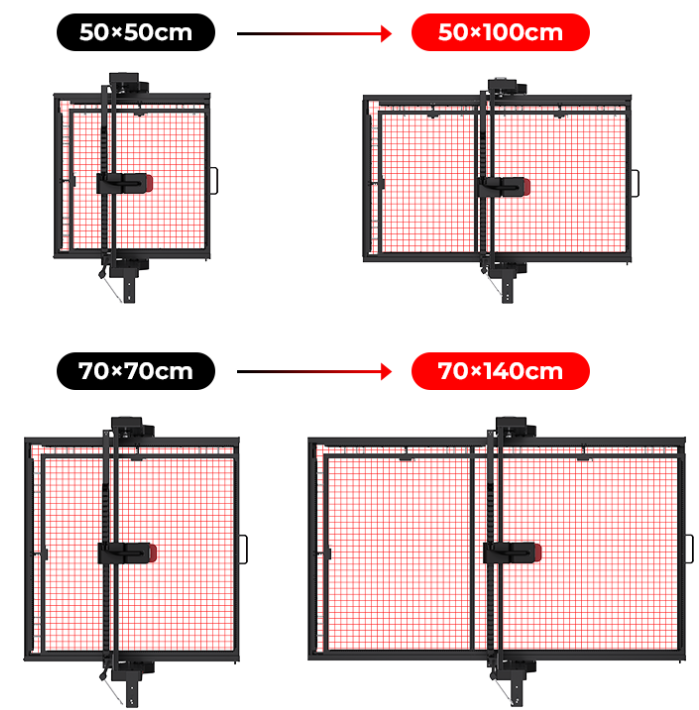
The Craftphilia 50 offers a working area of 50×50 cm, while the Craftphilia 70 provides 70×70 cm. With the addition of extension components, the Y-axis length can be doubled, achieving a maximum working area of 70×140 cm. Compared to manually constructing wooden frames, installing tack strips, and holding a tufting gun, this system functions more like a ready-to-assemble desktop production system.
It's important to note that 70×140 cm represents the device's maximum working range. The base fabric must maintain uniform tension at all times, and whether the extended frame is prone to deformation or fabric loosening will directly impact the pattern accuracy of larger pieces.
Performance Specifications and Manufacturing Insights
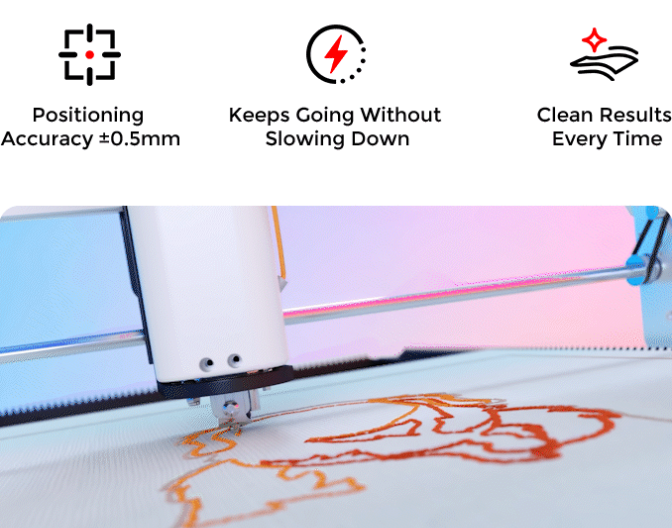
Official specifications state a maximum movement speed of 2400 mm/minute, a peak needle speed of 500 stitches/minute, and a positioning accuracy of ±0.5 mm. The output pile height is approximately 14 to 16 mm, allowing room for subsequent leveling and carving.
The machine also features automatic yarn tension control, power-off resume functionality, and safety sensors, and is compatible with materials such as wool, acrylic, and mohair.
These parameters suggest an emphasis on pattern consistency rather than industrial-grade high-speed production. Actual efficiency will also be influenced by pattern complexity, number of colors, frequency of thread breaks, and manual yarn changes.
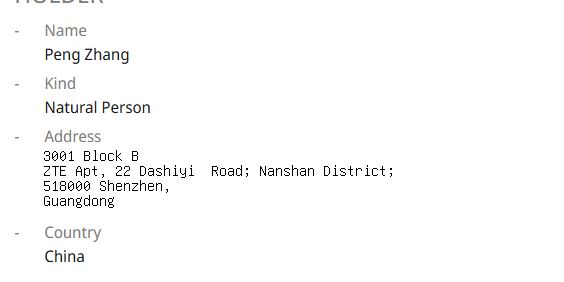
Craftphilia's official website already sells tufting guns, frames, trimmers, and material kits, indicating the team's experience with the tufting toolchain. Hong Kong company registration data shows Craftphilia Limited was established in April 2025, making it a relatively new operating entity. However, based on trademark information and crowdfunding service providers, the product appears to originate from a Shenzhen-based company.
Beyond the mechanical frame and motion control, mass production challenges also include software stability, adapting to different yarn tensions, thread break recovery, assembly calibration, and cross-border after-sales support.
Market Positioning and Potential
Automated tufting is not a new industrial technology; robotic tufting equipment already exists for carpet factories. Therefore, describing Craftphilia as the 'world's first fully automatic tufting machine' should be understood as the project's positioning for a consumer-grade, integrated desktop product, rather than implying it's the first automatic tufting device globally.
Craftphilia's true differentiation lies in compressing what were previously large, high-cost industrial solutions into a personal creative tool priced from $499.
It occupies a new market segment between manual tufting guns and industrial equipment. Enthusiasts might question whether automation diminishes the joy of manual creation, while small businesses would be more concerned with the efficiency and consistency of repetitive patterns. The project's success hinges not just on the machine's functionality, but on whether the software is user-friendly enough, if it frequently breaks thread during long operations, and if the final output reduces rework.
Craftphilia transforms tufting from a craft reliant on tactile skill into a process closer to digital manufacturing. It lowers the barrier for pathing and filling but does not eliminate color changes, trimming, and post-processing. If the mass-produced version delivers on precision, tension control, and software experience, it could become the desktop CNC of the tufting world. However, if these aspects prove unstable, automation could turn manual skill issues into equipment maintenance problems.
Craftphilia transforms tufting from a craft reliant on tactile skill into a process closer to digital manufacturing.