InstaSpot: 65g Ultrasonic Stain Remover Pen Surpasses $630K on Kickstarter in 20 Days
Campaign Teardown · · PledgeRadar Editorial
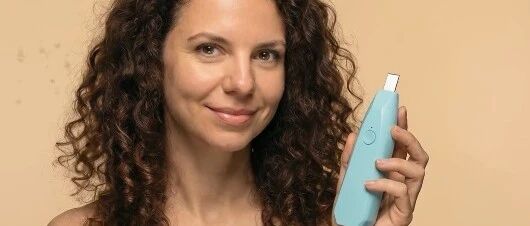
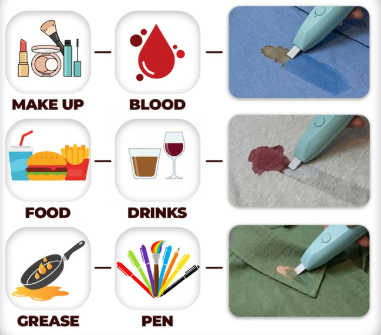
InstaSpot, developed by FireArt, is a portable garment stain removal device. It uses 52kHz ultrasonic vibrations on water-moistened stained areas, combined with spraying and wiping, to loosen localized stains like coffee, sauces, and makeup from clothing fibers. It's primarily designed for temporary stain removal during travel, commuting, or when immediate laundry isn't possible.
Campaign Overview and Marketing
InstaSpot launched on Kickstarter on September 15, 2026. As tracked by TopNice, the project has already secured $638,304 from 6,097 backers, achieving approximately 213 times its funding goal with an average pledge of about $105. A single unit was initially offered at $89, followed by an Early Bird price of $99, with dual-unit packages starting at $144.
The project garnered significant pre-launch buzz. Kickstarter community data indicates that over 90% of its backers are returning backers who have supported other projects previously. This suggests the campaign is attracting not only social media ad traffic but also a substantial flow of experienced Kickstarter users.
We've observed that its marketing approach is straightforward: scenarios like spilling coffee on a white shirt, dripping sauce during a meal, or lacking a washing machine while traveling are problems that require little consumer education. Unlike complex hardware, InstaSpot's three-step demonstration—spray a little water, touch the device to the stain, then wipe it away—is highly effective for short video and GIF promotion.
However, current public media coverage largely remains product introductions, with no independent experiments found that compare performance across standardized stains and fabrics. Both iTechGuides and GeekChamp have noted that the brand's claims of instant removal suitable for any fabric lack independent testing to support them. What has been proven is crowdfunding demand, not that all cleaning effects have been fully validated.
Core Product Features
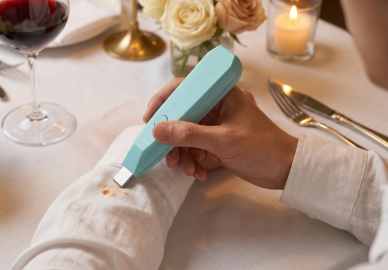
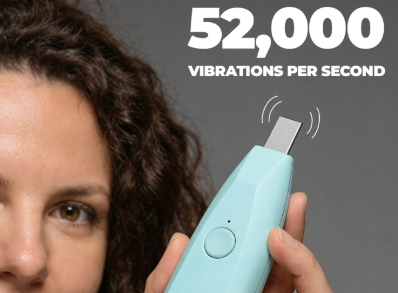
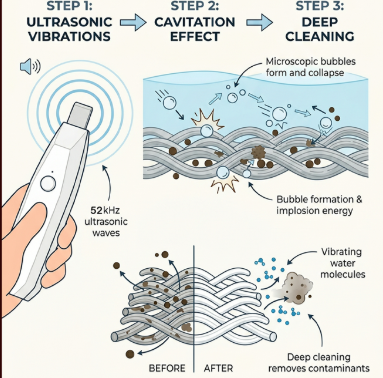
InstaSpot is rated to output 52kHz ultrasonic vibrations. During use, the stained area is first moistened, then the device head is applied to the fabric. The brand claims that the micro-cavitation effect created by the ultrasound loosens dirt between fibers, which can then be wiped away with a tissue or cloth.
This technology itself is not a pseudo-concept; ultrasonic cleaning is widely used in industrial, medical, and precision parts cleaning. However, when applied to clothing, a coffee stain, grease, lipstick, or an oxidized old stain present entirely different challenges. 52kHz merely indicates the operating frequency and does not directly equate to stain removal effectiveness.
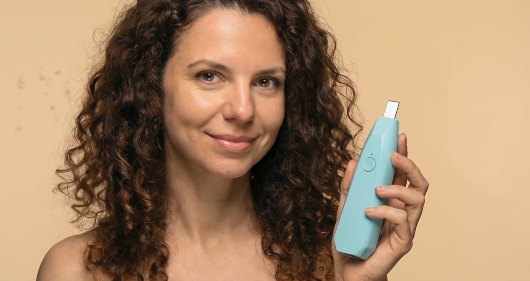
The entire device is less than 15cm long, weighs approximately 65g, and charges via USB-C, making it easy to carry in a bag. Compared to traditional ultrasonic cleaners that require items to be submerged in a sink, InstaSpot's most significant structural change is its ability to treat only a localized, moistened area.
This design fundamentally alters the timing of use. Stains can be treated as soon as they appear, rather than waiting hours to do laundry at home.
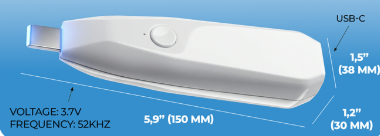
Addressing Common Stain Scenarios
Essentially, it's not a portable washing machine but a localized treatment tool. For collar, cuff, food stains, or small smudges that appear suddenly during travel, users don't need to soak an entire garment or run a full wash cycle. This localized solution also makes the product more intuitive than conventional ultrasonic cleaners.
However, claims on the project page, such as "3-second completion," remain marketing language. Existing independent data does not confirm that all stains can be treated in a consistent 3 seconds.
The kit includes a spray bottle, and the brand's standard procedure involves moistening the stain with water or a small amount of soapy solution before ultrasonic treatment. It does not require consumers to continuously purchase proprietary cartridges, cleaners, or replacement heads.
This significantly reduces long-term costs. However, "Chemical-Free" cannot be taken literally; if users add soap or detergent, the cleaning process still involves chemical agents. A more accurate statement would be that it does not rely on proprietary powerful stain removers.
FireArt claims the product can be used on cotton, denim, synthetic fibers, silk, and some upholstery fabrics, targeting both fresh and some older stains. Brand claims need to be significantly tempered, as different dyes, coatings, prints, and fiber structures vary greatly in their resistance to water and friction. Currently, there is no independent material compatibility testing to prove "AnyFabric" claims. For delicate or special-care fabrics, the ultimate decision still depends on the garment's own care requirements.
The Kickstarter project creator is FireArt. The project's public description portrays FireArtLab as a multidisciplinary team of engineers, designers, and product professionals focused on practical, eco-friendly consumer products.
Global Market Analysis and Competition
Grand View Research projects the global Stain Remover Products market to be approximately $25.5 billion in 2026, reaching $31.3 billion by 2030, with a CAGR of about 5.0% from 2024-2030. Spray-type products, which facilitate localized treatment, are experiencing faster growth, with consumer demand for instant, portable cleaning being a key driving factor.
InstaSpot faces a wide range of price points in the market. The most direct traditional alternative, the TideToGo stain remover pen, costs only about $10. At the other end, the SonicSoak portable ultrasonic cleaner is currently priced at $149, but it still requires items to be submerged in water for cleaning.
Handheld ultrasonic stain removal itself is not an entirely new category. Sharp introduced the UW-A1 Ultrasonic Washer years ago, which used 38,000 ultrasonic vibrations per second to treat localized garment stains. The device weighed about 200g, and Sharp officially stated that certain dyes, permanent inks, and old stains formed by chemical changes could not be removed.
Its true competitive advantage lies in further miniaturizing this technology to 65g and pricing it between $89-$99. The biggest risk also stems from this: if its actual cleaning performance is only marginally better than a $10 stain remover pen, the price difference will be difficult to sustain long-term. However, if it can reliably tackle grease, coffee, and makeup stains without noticeable fabric damage, travel stain removal could indeed become a distinct niche within the small appliance market.
What has been proven is crowdfunding demand, not that all cleaning effects have been fully validated.