PledgeRadar Analysis: BrickBoy LEGO Game Boy Accessory Exceeds $700K on Kickstarter
Crowdfunding Analysis · · PledgeRadar Editorial
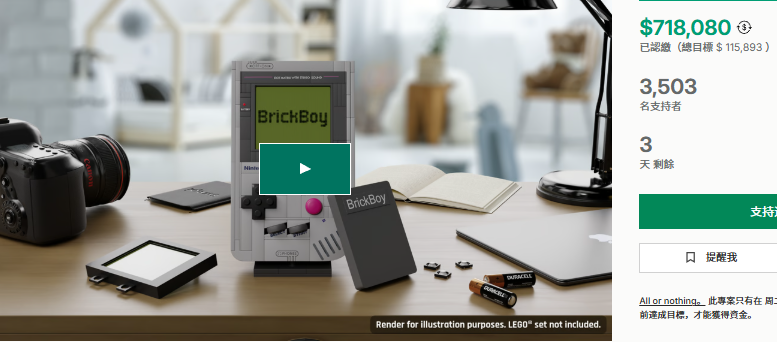
The BrickBoy LEGO® Game Boy accessory has demonstrated strong performance on Kickstarter, raising over $718,000 from approximately 3,500 backers as of November 29th, with the campaign nearing its end. The project aims to begin shipping to backers in March 2026. While the community sentiment is largely positive and anticipatory, backers have raised numerous questions regarding the button layout, mass production consistency, and power/battery life details.
Key Product Features
Transforming LEGO® Game Boy into a Playable Handheld (Plug-and-Play)
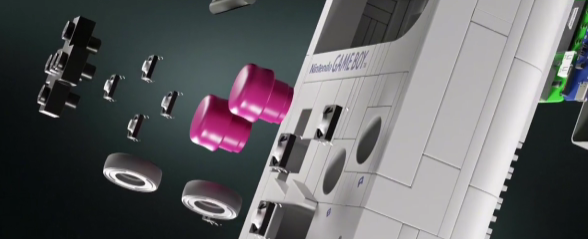
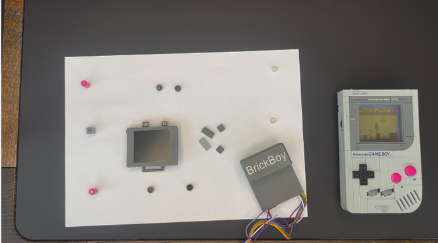
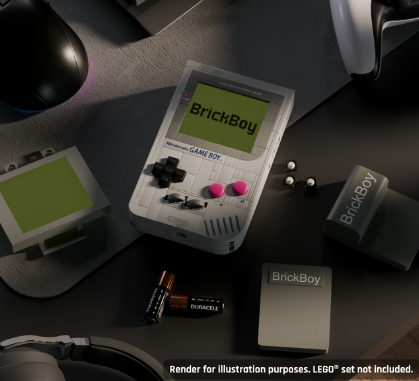
The core appeal lies in its modular mechanical design and quick alignment system, allowing users to instantly transform a LEGO® Game Boy model into a functional handheld console.
Critical to its success is the precise tolerance matching between the electronic modules and the LEGO structure, the stability of the snap-fit connections, and the secure mounting solutions for the screen, speaker, and button modules.
Excessive assembly tolerances could lead to issues like misaligned buttons or a loose screen, significantly impacting the user experience.
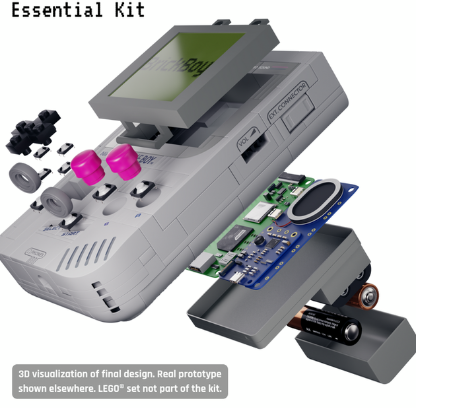
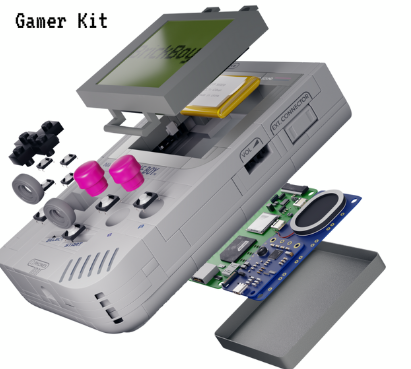
Tiered Product Line (Essential/Gamer/Collector) Addressing Diverse Needs
BrickBoy offers a tiered product line—Essential, Gamer, and Collector editions—to cater to varying user preferences and willingness to pay. This functional stratification ranges from basic playability to advanced features like Bluetooth, backlighting, and acceleration, culminating in display-focused constant-on modes.
The engineering challenges escalate with higher-tier functionalities such as Bluetooth audio, GBC/GBA support, and constant-on exhibition modes, demanding more sophisticated power management, thermal design, and firmware stability.
Cartridge/ROM Compatibility and Expansion (Emulation + Optional Card Reader)
Emulated ROM loading is relatively straightforward to implement and carries lower legal risks. However, supporting original game cartridges introduces significant technical hurdles, including precise cartridge signal sampling, timing accuracy, and electrical isolation for physical interfaces. While third-party cartridge read/write functionality could be offered as an external add-on, this would increase both cost and operational complexity for users.
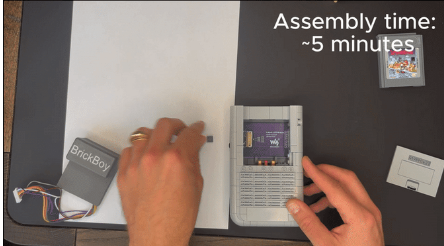
Quick Installation and Low Barrier to Entry (<10 minutes, No Soldering, No Coding)
User convenience is a key design principle, achieved through standardized connectors and 'fool-proof' alignment features that enable assembly in under 10 minutes without soldering or coding.
From an engineering perspective, ensuring the connectors' durability for repeated insertions, contact stability, and wear resistance over long-term use is crucial to prevent in-game disconnections or button malfunctions.
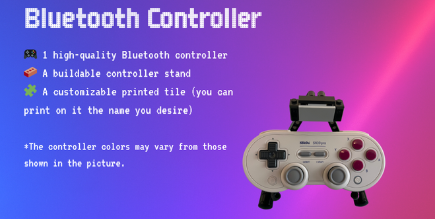
Display Mode and Expansion Kits (Exposition/Arcade Edition/Bluetooth Controller)
The Exposition (display) mode necessitates a low-power design, effective backlighting, and thermal control for extended periods of continuous operation. The Arcade and Bluetooth expansion kits aim to enhance home use scenarios, but their success will depend on verifying the stability of Bluetooth latency and multi-controller synchronization.
Maintaining LEGO Aesthetics While Achieving Functionality
Integrating electronic modules while preserving the authentic LEGO aesthetic is a significant design challenge. This requires internal structural elements to provide load-bearing and heat dissipation paths without compromising the external appearance or reliability. Such a design demands high precision in shell manufacturing tolerances and internal support structures.
Team and Strategy
The BrickBoy team describes itself as a Swiss-based creative group comprising AFOLs (Adult Fans of LEGO) and retro gaming enthusiasts. They utilize crowdfunding as their primary path for financing and product delivery. Public information indicates a product-driven approach with a strong focus on community interaction, and there are no public records of venture capital investment. The team emphasizes that all components are original designs, and the project is not an authorized LEGO or Nintendo product. This positions BrickBoy as a niche, community-oriented hardware startup.
Market Analysis
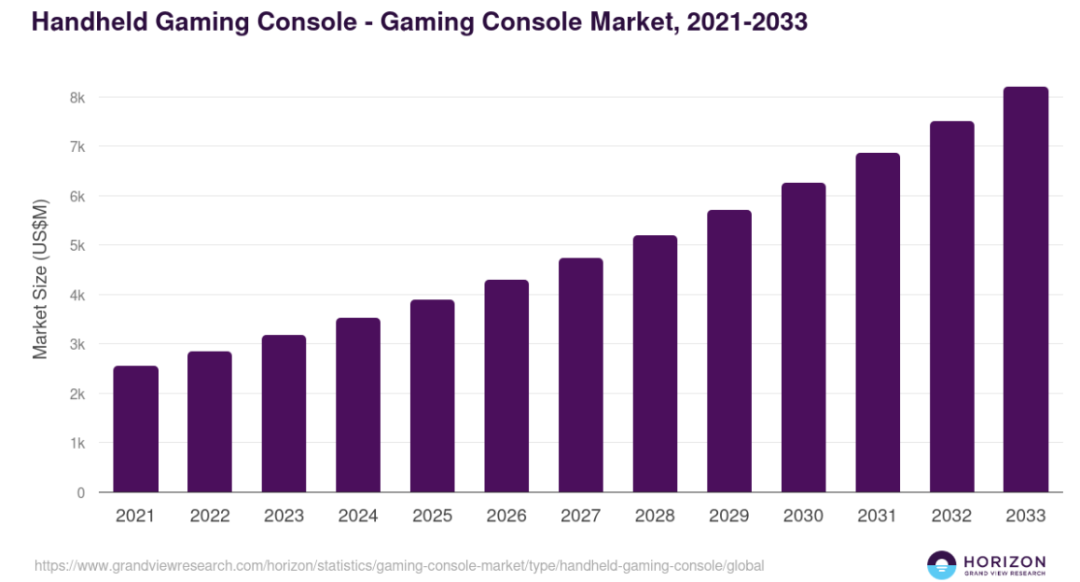
The handheld/portable gaming console and retro gaming sub-markets have seen a surge in popularity in recent years. A Grandview Research industry report values the nostalgic video game and retro console market at several billion USD, with continued growth projected for the coming years.
BrickBoy's market positioning strategically spans two consumer motivations: the LEGO collecting trend (high collection value, strong display appeal) and retro handheld nostalgia (high playability, strong willingness to pay). This theoretically allows it to reach user groups willing to invest in sentiment and collectibles. Competition comes from established retro handheld brands (e.g., Anbernic, Analogue) and other modding/kit projects. BrickBoy's unique selling proposition lies in its integration with LEGO display aesthetics. However, to translate this into long-term market success, the project must deliver on its promises regarding button responsiveness, mass production consistency, and timely delivery.
BrickBoy cleverly combines LEGO display aesthetics with the playability of retro handhelds, creating strong appeal. However, its long-term success hinges on ensuring input responsiveness, structural tolerances, and delivery transparency during mass production.