PledgeRadar Analysis: MechaComet's Modular Linux Handheld Surpasses $850K on Kickstarter
Crowdfunding Analysis · · PledgeRadar Editorial
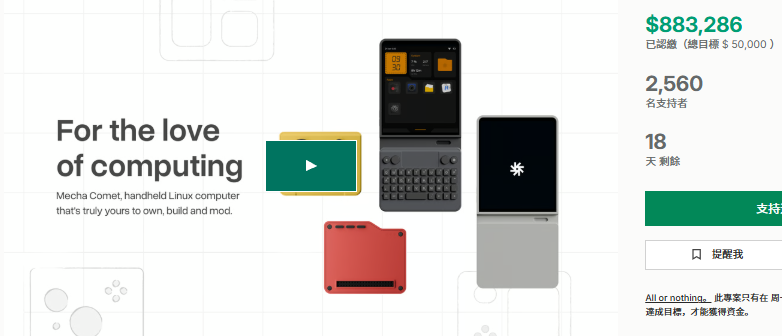
The MechaComet is a modular Linux-based handheld computer designed for developers and tech enthusiasts who require mobile programming, on-site hardware debugging, and retro gaming experiences. It features an innovative magnetic PogoPin interface, enabling plug-and-play functionality for its core computing module and various accessories like keyboards, gamepads, and GPIO extensions.
Campaign Performance and Early Reception
The MechaComet campaign on Kickstarter has shown strong performance. As of early February 2026, the project has attracted approximately 2,500 backers, pledging a total of over $850,000. This success, to some extent, demonstrates the willingness of core enthusiast users to pay a premium for high-performance open-source hardware.
Early feedback for the project has garnered significant attention from prominent tech media outlets such as Hackster.io, Liliputing, and Tom's Hardware. Reviewers and the community widely praise its transparent 'true open-source' approach and robust support for the right to repair. However, discussions among backers also reveal concerns regarding the startup team's supply chain management capabilities. The team's candid disclosure about the skyrocketing prices of DRAM memory, and its potential impact on the final Bill of Materials (BOM) cost and delivery timelines, is currently the most significant risk factor for backers.
Ultimate Modular Architecture and Magnetic Expansion
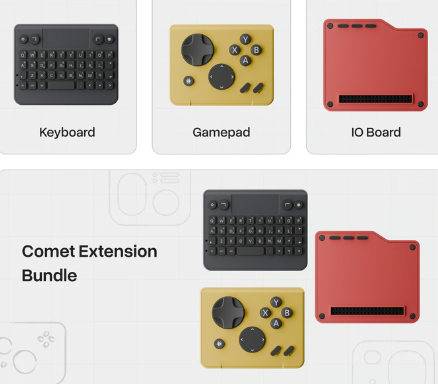
The device features a high-density PogoPin interface on its rear, allowing users to hot-swap various functional modules—such as a full-size physical keyboard, game controller, or barcode scanner—much like changing a phone case. This design empowers users to define the form factor of a single device, enabling seamless transitions between a handheld gaming console and a portable operations and maintenance terminal.
However, the success of modularity heavily relies on a thriving ecosystem. If official module updates are slow, or if third-party developers do not actively participate through the open-source protocol, this interface could become underutilized. Furthermore, the oxidation and contact stability of PogoPin contacts under long-term, high-frequency insertion and removal cycles present a classic challenge in hardware engineering.
Long-Term Open Source and Repairable Design
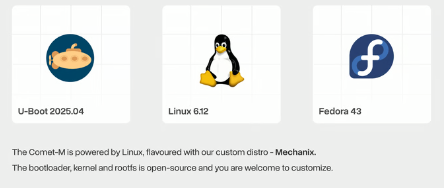
MechaComet commits to hardware following the CERN-OHL-S-2.0 open-source license, with software based on the Debian-customized MechanixOS. The core computing module is also guaranteed to be independently upgradeable.
The entire device can be fully disassembled with just a single screwdriver, allowing the screen, battery, and joysticks to be independently replaced. The official team also promises an extensive seven years of software maintenance support.
However, for a startup, committing to seven years of software maintenance represents a significant resource burden. The biggest operational challenge lies in how to sustain a continuous software development team after hardware sales are complete, avoiding the common pitfall of open-source hardware projects that are abandoned shortly after shipping.
Desktop-Class Connectivity and Heterogeneous Computing Performance
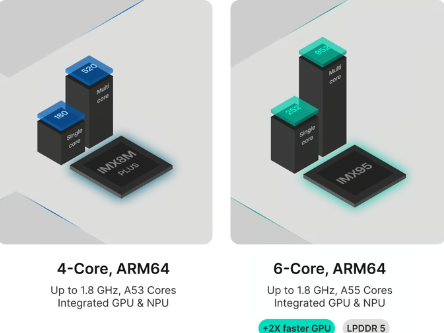
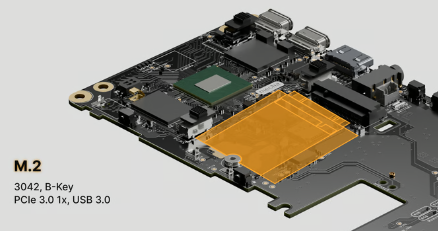
Despite its handheld form factor, the device integrates full-featured USB-C, an Ethernet port, HDMI output, and even an NVMe SSD expansion slot. Powered by either an NXP i.MX95 or i.MX8MPlus processor, this configuration allows it to instantly transform into a full-fledged ARM-based Linux desktop host while still functioning as a portable device.
From an engineering perspective, the thermal design for a handheld device with a high-performance processor and NVMe drive faces stringent requirements due to their thermal design power (TDP). Balancing battery life, heat dissipation, and performance output within such a compact chassis typically demands precise airflow design; otherwise, it can lead to thermal throttling under heavy loads.
Team Background and Business Model
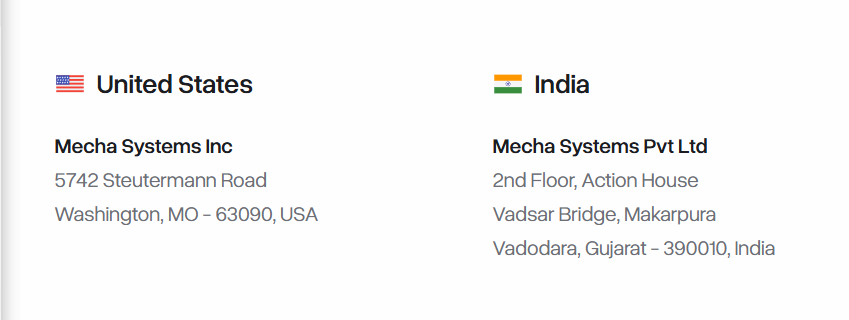
Mecha Systems Inc. is a hardware startup registered in the United States, with its core R&D team based in India. The team comprises engineers with backgrounds in IoT development and has been self-funded, with no significant external financing disclosed to date.
Unlike the common model of Shenzhen-based supply chains paired with Western brands, Mecha demonstrates the emergence of indigenous Indian hardware R&D capabilities in complex PCB design and embedded system integration. Its business model is a variation of the classic razor-and-blades strategy: building a user base with the open-source main device, then sustaining long-term revenue through high-margin modular accessories and core board upgrades.
Market Analysis
The open-source handheld and Cyberdeck market is currently transitioning from a niche DIY community to a semi-professional tool segment. ClockworkPi is the undisputed benchmark in this field, boasting a large community thanks to its extremely hardcore modular design, but it has consistently faced issues with insufficient production capacity and shipping delays.
While the Raspberry Pi ecosystem is vast, it lacks highly integrated, finished handheld terminals, often relying on crude 3D-printed DIY solutions. Windows handheld brands like GPD and OneNetbook offer stronger performance but feature closed systems, failing to meet the demands of Linux developers for low-level GPIO control and system customization.
MechaComet differentiates itself by bridging the gap between the DIY aesthetic of Raspberry Pi projects and the closed, expensive nature of industrial PDAs. It embodies the open-source spirit for enthusiasts using consumer-grade craftsmanship, such as an AMOLED screen and injection-molded body.
More than just a handheld, the MechaComet represents a rebellion against the throwaway consumerism prevalent in electronics.