Linyo H1 Wireless Closed-Loop Car Washer Raises $100K on Kickstarter in 24 Hours
Campaign Teardown · · PledgeRadar Editorial
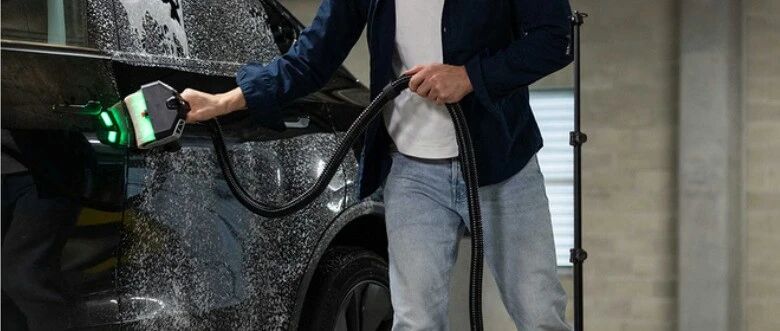
The LINYO H1, introduced by Linyo, claims to be the world's first wireless closed-loop car washer. It employs a three-stage cleaning process—foam softening, roller dirt extraction, and sealed wastewater recovery—to complete exterior cleaning and waxing in 20 minutes using just 0.5 gallons (approximately 1.9 liters) of water. Designed for urban apartment parking, underground garages, and locations without direct water access, the H1 also includes interior cleaning accessories. The product quickly garnered attention on Kickstarter, raising $100,000 within its first day. Prior to launch, Linyo offered VIP reservations via its website with a $20 refundable deposit, a common strategy for automotive accessory crowdfunding campaigns that address clear user pain points. While the project appears to be managed in-house without external crowdfunding agencies and lacks a public delivery track record, raising potential trust concerns for backers, the initial reception and perceived quality of the product and team background are strong.
Key Product Features
**Closed-Loop Wastewater Recovery:** The H1's dual-tank design (clean water, separate wastewater) prevents ground pooling or chemical spills, addressing a key environmental issue in urban parking where car washing is often prohibited due to wastewater concerns. This zero-leakage design theoretically allows use in any indoor parking spot. However, the actual capacity of the wastewater tank for a full medium-sized car and the long-term reliability of the sealing mechanism are critical details for user validation.
**Lift&Extract Dirt Removal Technology:** This two-step process first sprays foam to soften dirt, lifting grit and grease from the paint surface. Then, rollers move above the softened layer, lifting the dirt while the system immediately draws the dirty liquid into the wastewater tank, preventing secondary scratching. This principle aims to reduce paint scratches common with traditional methods. The actual effectiveness in paint protection needs comparative testing against methods like the two-bucket wash, and independent third-party data is not yet public.
**Integrated Washing & Nano Ceramic Waxing:** The H1 simultaneously applies nano ceramic wax via its rollers during cleaning, combining two steps into one. The brand states the ceramic wax forms a hydrophobic protective layer and is safe for matte finishes. While suitable for frequent maintenance, its thickness and durability are typically less than professional waxing, a point the brand acknowledges in its product positioning, noting it's not a substitute for quarterly deep polishing.
**5000mAh Battery & Power Options:** The 5000mAh battery allows cordless operation, claiming to clean two car exteriors on a single 2.5-hour charge. A wired mode is also available for extended use, suitable for car shows or fleet cleaning. This wired option expands H1's utility from a personal item to a light commercial tool. The 0.5-gallon water usage per car means approximately 1 gallon for two cars; the clean water tank's actual capacity and refill frequency will impact user experience.
**Interior Cleaning Accessories:** Each H1 includes interior cleaning accessories, sharing the main unit's high-torque motor and battery for vacuuming and wiping seats, dashboards, and floor mats. This integration reduces the need for separate interior cleaning devices. The suction power and range of accessories will determine if it can truly replace dedicated interior cleaners.
Brand Background
Linyo is an emerging brand focused on portable home cleaning devices, operating under Chengdu Lingyao Technology Co., Ltd. Its official website primarily features the H1 car washer and its consumables. The brand has developed a comprehensive FAQ and technical documentation system on its site and has published multiple product demonstration videos across TikTok and other social media platforms. Information suggests that Linyo is an investment of Li Zexiang's venture capital firm, which typically indicates a reliable track record for product delivery.
Market Analysis and Competitive Landscape
The global car wash services market is valued at approximately $38.4 billion in 2024, projected to grow to $69.7 billion by 2033, with a CAGR of about 6.4%. The mobile car wash segment, valued at $9.3 billion in 2024, is expected to outpace the overall market with an 8.8% CAGR. This growth is driven by increasing urbanization leading to a scarcity of traditional car wash facilities, stricter water conservation regulations, and rising consumer demand for convenient at-home or in-parking lot washing. Concurrently, the car wash equipment market, valued at $6.07 billion in 2024, is forecast to reach $10.2 billion by 2035, with a CAGR of approximately 4.8%.
In terms of competition, traditional portable pressure washers (from brands like Kärcher and Ryobi) rely on water spraying and require drainage facilities, making them unsuitable for enclosed parking areas. Waterless car wash liquids and spray waxes (such as Chemical Guys and Meguiar's) offer a water-free solution but depend entirely on manual wiping, which can be inefficient and apply uneven pressure to the paintwork.
The H1's combination of closed-loop water recovery, mechanical rollers, and electric drive presents a unique technological path with no direct competitors in the current market. The primary market risk lies in convincing consumers to switch from professional car wash services to purchasing a machine. This transition will largely depend on the H1's ability to quickly establish a strong reputation for effective cleaning among real users.
Car washing in urban parking lots represents a persistent pain point, caught between the limitations of traditional high-pressure washers and waterless solutions. If the H1's closed-loop recovery system delivers on its promises of paint safety, zero leakage, and efficient convenience in real-world testing, this product category has the potential to evolve from a niche crowdfunding project into an essential tool for urban car owners.
Car washing in urban parking lots represents a persistent pain point, caught between the limitations of traditional pressure washers and waterless solutions.