Orba Portable Electronic Instrument: A $1.42 Million Crowdfunding Success Marred by Fulfillment Issues
Crowdfunding Analysis · · PledgeRadar Editorial
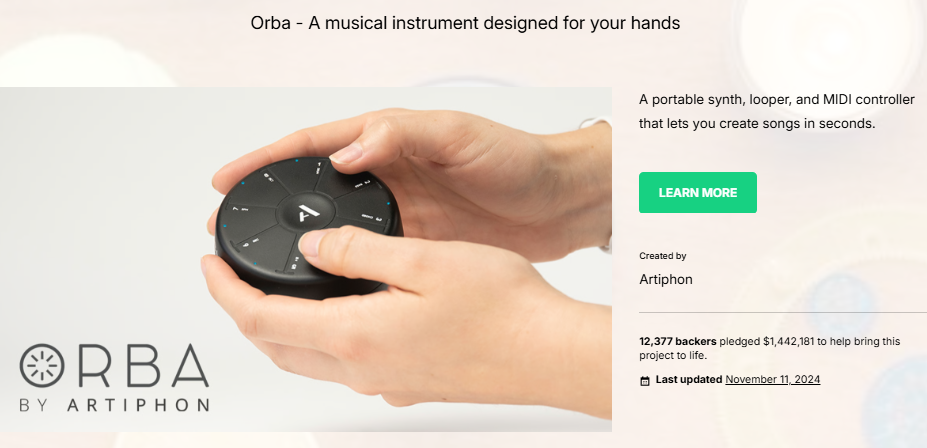
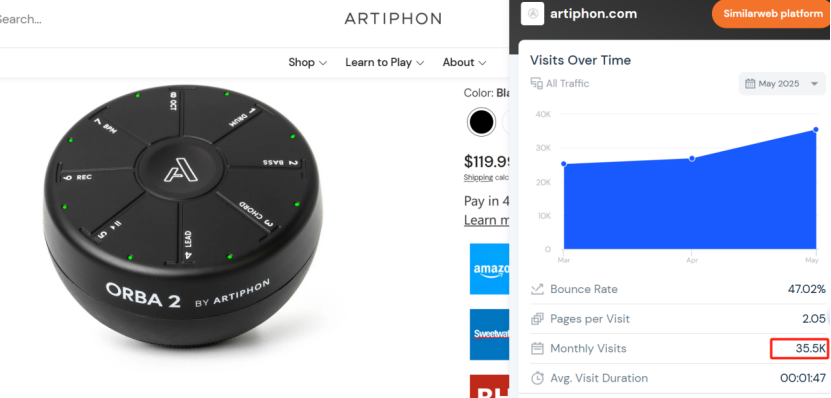
In an era of increasingly accessible digital music creation, the Orba portable electronic instrument distinguished itself in the competitive market with its unique design philosophy and exceptional functionality, quickly becoming a favorite among music enthusiasts and professional creators. However, the project appears to have stalled in its later stages. Many backers on the Kickstarter campaign have reported not receiving their products, yet the brand's official website continues to maintain traffic, suggesting ongoing operations, and products remain available for purchase.
Orba's Crowdfunding Journey
Orba launched its crowdfunding campaign on Kickstarter on November 25, 2019. During the campaign, the project garnered attention and support from 12,377 backers worldwide, ultimately raising $1.42 million. This multi-million dollar success not only demonstrated Orba's market appeal and innovative value but also underscored the strong global demand and anticipation for portable, handheld electronic instruments among music lovers.
Product Highlights
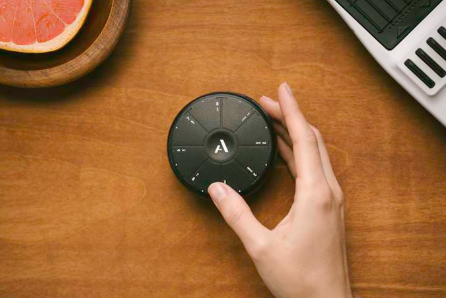
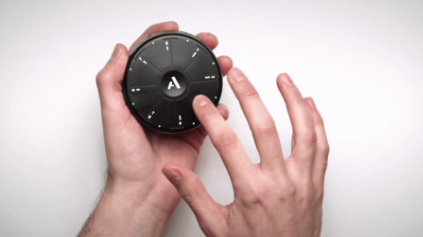
Orba integrates three core functions: a synthesizer, a looper, and a MIDI controller. Users can play various musical elements such as drums, bass, chords, and melodies on a single device. Switching between different function modes takes only seconds, allowing anyone to immediately start creating music.
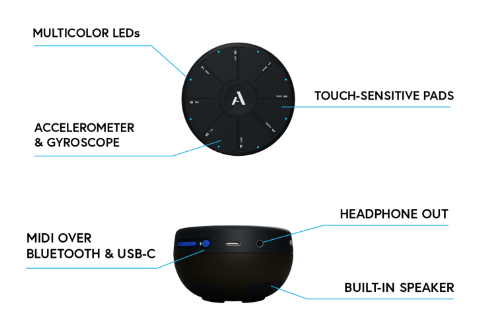
Utilizing eight high-precision capacitive touchpads along with built-in accelerometer and gyroscope sensors, Orba supports intuitive gesture operations like tapping, sliding, vibrating, and shaking. This makes music performance both intuitive and expressive, requiring no complex learning curve.
With a built-in high-quality speaker and a professional synthesizer engine, Orba can be played independently without a computer or smartphone. It also supports Bluetooth LE and USB connectivity, allowing it to directly connect as a MIDI controller to popular digital audio workstations (DAWs) such as GarageBand, Ableton Live, and FL Studio.
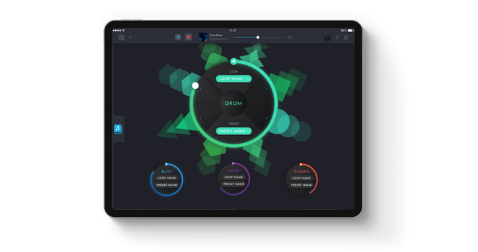
The accompanying Orba application fully supports major platforms including iOS, Android, macOS, and Windows. Users can unlock more sounds, presets, and loop materials through the app, as well as edit and share their musical creations, significantly expanding their creative possibilities.
Artiphon: The Company Behind Orba
Founded in 2011 by Dr. Mike Butera, Artiphon is headquartered in Nashville, Tennessee, the music capital of the United States. The company's core mission is to create 'universal instruments' – devices that simulate the playing styles of multiple traditional instruments, making music creation more convenient and accessible.
Artiphon's first product, INSTRUMENT 1, successfully raised $1.319 million on Kickstarter in 2015, establishing the company's reputation in the electronic instrument field. Building on this success, Artiphon continued to innovate in portable electronic instruments, subsequently launching products like Orba and Orba 2, consistently advancing the development and popularization of handheld electronic instrument technology, and establishing a unique brand image and technological advantage in the industry.
Market Outlook and Competitive Landscape
From a market size perspective, the global MIDI controller market was approximately $151 million in 2024 and is projected to grow to $189 million by 2032, with a compound annual growth rate (CAGR) of approximately 2.92%. This growth in the niche market is primarily driven by the increasing prevalence of home recording studios, the rising number of independent musicians, and expanding demand for music education and training, with portability and multi-functionality emerging as key growth drivers.
In the broader electronic instrument market, the global market size was approximately $9.34 billion in 2023, encompassing categories such as synthesizers, digital pianos, and electronic drums. This market is expected to maintain steady growth in the coming years, primarily fueled by technological convergence (mobile internet, cloud services) and consumers' growing demand for personalized creative tools.
Regarding the competitive landscape, traditional mainstream brands like Roland, Korg, Novation, and Arturia have recently introduced lightweight, handheld products, actively adapting to changing market demands. Concurrently, an increasing number of cross-industry manufacturers, including gaming peripheral makers and smart toy companies, are entering this sector. The entire industry is showing a clear trend towards 'miniaturization, multi-functionality, and socialization.'
Many backers on the Kickstarter campaign have reported not receiving their products, yet the brand's official website continues to maintain traffic, suggesting ongoing operations, and products remain available for purchase.