Rokid Launches World's Lightest AI & AR Glasses, Raising Over $1.1 Million on Kickstarter in 4 Days
Crowdfunding Analysis · · PledgeRadar Editorial
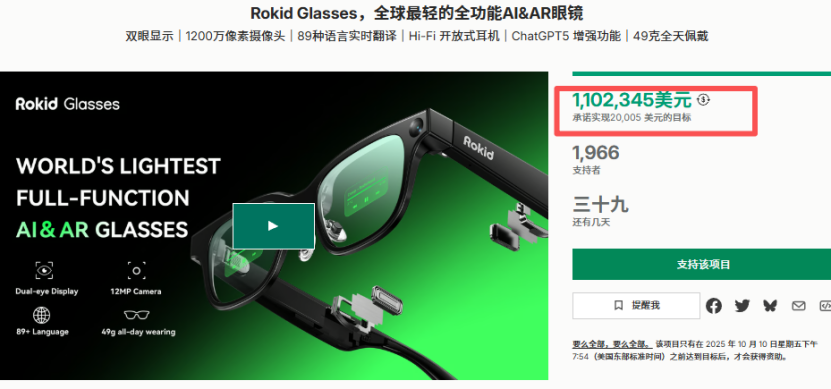
Rokid's new smart glasses launched on Kickstarter on August 26, quickly surpassing $1.1 million in crowdfunding within approximately four days. As an official project initiated by the Rokid team, it rapidly gained market attention, with media reports highlighting that hundreds of thousands of dollars were raised within hours of launch. This success underscores strong market demand for innovative products and recognition of the Rokid brand.
Key Product Features
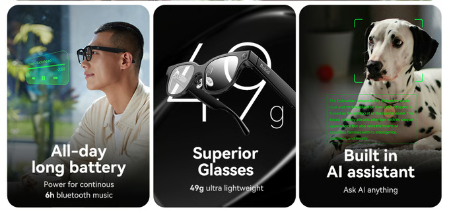
The Rokid smart glasses prioritize a lightweight design, weighing just 49g, which allows for comfortable all-day wear. Its appearance closely resembles conventional glasses, enhancing everyday usability.
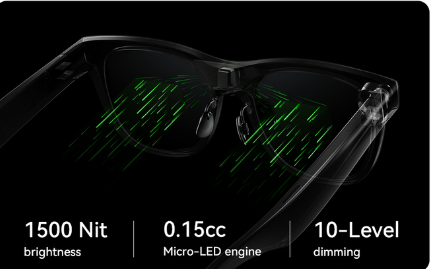
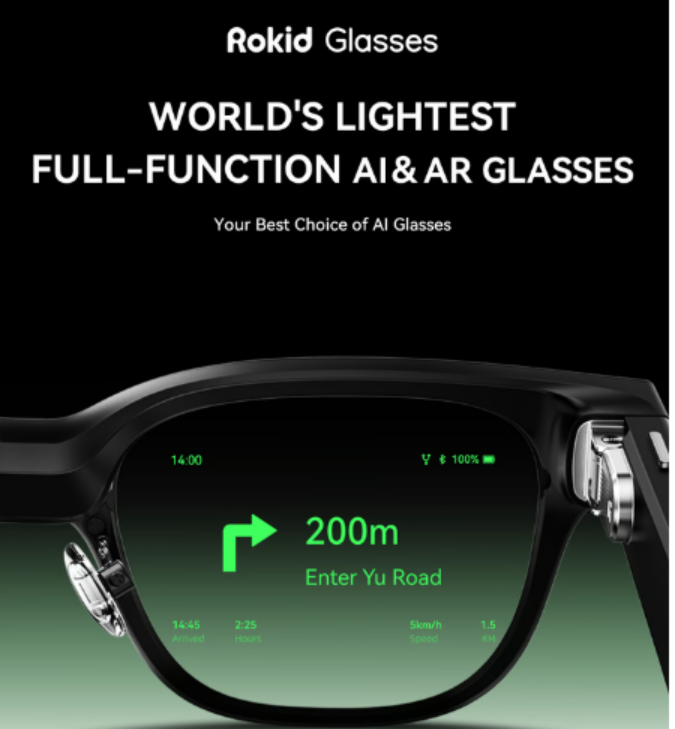
For display technology, the device features dual Micro-LED miniature light engines, each with a volume of 0.15cc and approximately 1500 nits of brightness. Utilizing micro-display waveguide technology, it supports both subtitle and Head-Up Display (HUD) output, maintaining clear subtitle display even in low-light environments, making it suitable for various lighting conditions.
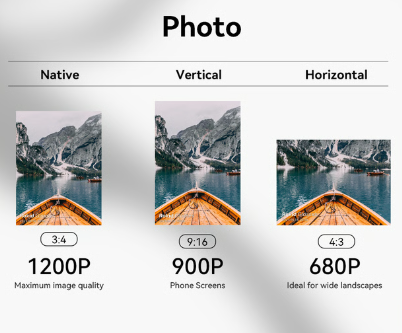
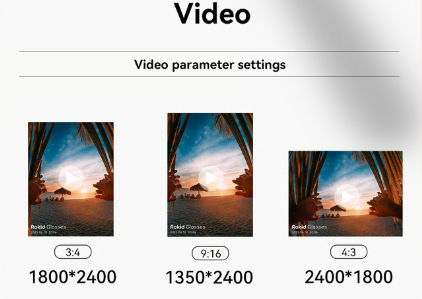
Equipped with a 12MP camera, the glasses support 60fps video recording and low-light HDR. Applications include first-person perspective shooting, real-time scene recognition, and hands-free photography.
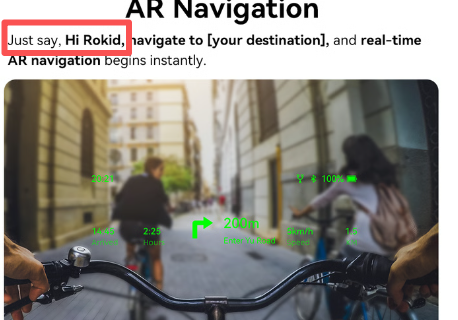
An integrated AI assistant, similar to ChatGPT-5, enables voice interaction. This AI functionality extends to real-time subtitles and translation for 89 languages, with interaction methods including voice activation and instant subtitle display.
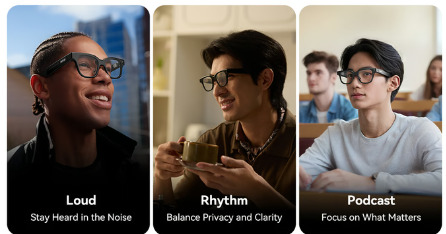
The open-ear Hi-Fi audio design allows users to hear both ambient sounds and audio output from the glasses simultaneously. This design prioritizes safety by maintaining situational awareness.
Rokid's Company Profile and Technical Strengths
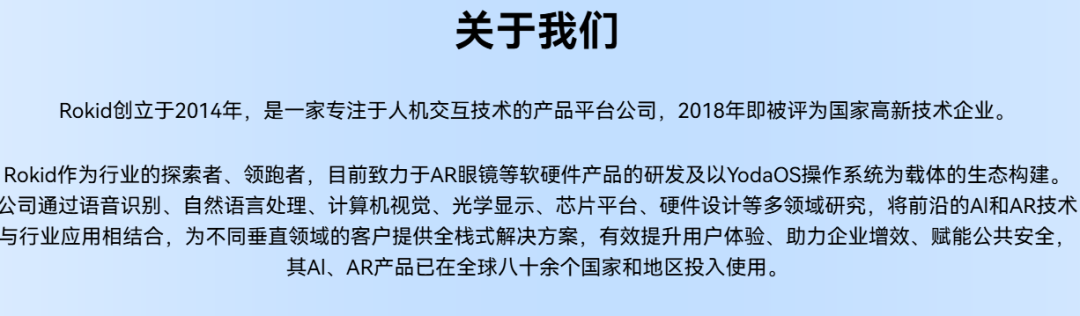
Rokid, established in 2014, has R&D centers in Hangzhou and Beijing, China. The company possesses extensive technological expertise in AR and smart wearables, with experience developing multiple generations of AR smart wearable products, including the CES award-winning RokidGlass, as well as product lines like RokidARLite and ARSpatial.
Unlike many purely crowdfunding-driven projects, Rokid boasts comprehensive experience in hardware development, algorithm optimization, and mass production supply chain management. This provides a significant guarantee for the actual delivery of its products. The company's continuous investment and technological accumulation in the AR field have enabled it to integrate complex functions such as display, translation, photography, and AI interaction into a lightweight device that closely resembles conventional glasses.

Market Analysis and Competitive Landscape
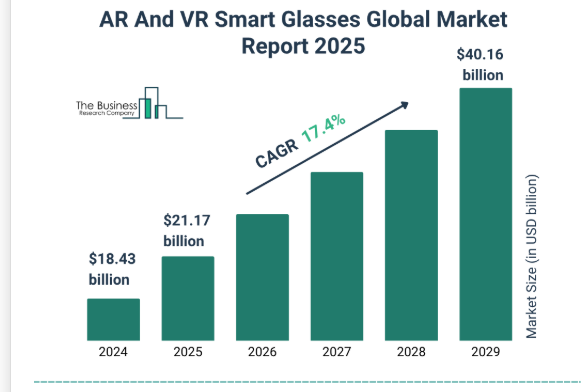
The smart glasses market is currently at a critical juncture of "AI+AR" technology integration. Products from major manufacturers, such as Meta's collaboration with Ray-Ban, have accelerated market education. Rokid's product launch timing and technical specifications present competitive pressure on these larger players, particularly concerning price positioning and lightweight design. The overall industry trend indicates a shift towards "AI-assisted + auxiliary display" solutions, focusing on meeting vertical scenario demands like business travel, translation, enterprise remote assistance, and information prompts.
The primary target user groups include tech enthusiasts, business travelers, tour guides, translators, and enterprise users requiring remote support. These segments have a strong demand for real-time translation and first-person content capture. For its commercialization strategy, Rokid is likely to pursue a dual-track approach targeting both consumer and enterprise markets: building brand influence in the consumer market through crowdfunding and retail channels, while simultaneously offering remote assistance and training solutions to enterprise clients via customized SDKs.
Compared to competitors like Xreal, Viture, and Meta, Rokid's differentiated advantages lie in its lighter weight, brighter dual Micro-LED display technology, and deeper integration of AI functionalities. However, achieving a complete AR experience (geometric overlay, environmental interaction) and ecosystem development (applications, content platforms) will require further time and refinement. The analysis maintains a strong positive outlook for the smart glasses market.

Unlike many purely crowdfunding-driven projects, Rokid boasts comprehensive experience in hardware development, algorithm optimization, and mass production supply chain management, providing a significant guarantee for product delivery.