Rokid AR Lite Smart Glasses Raise Nearly HK$10 Million on Kickstarter
Crowdfunding Analysis · · PledgeRadar Editorial
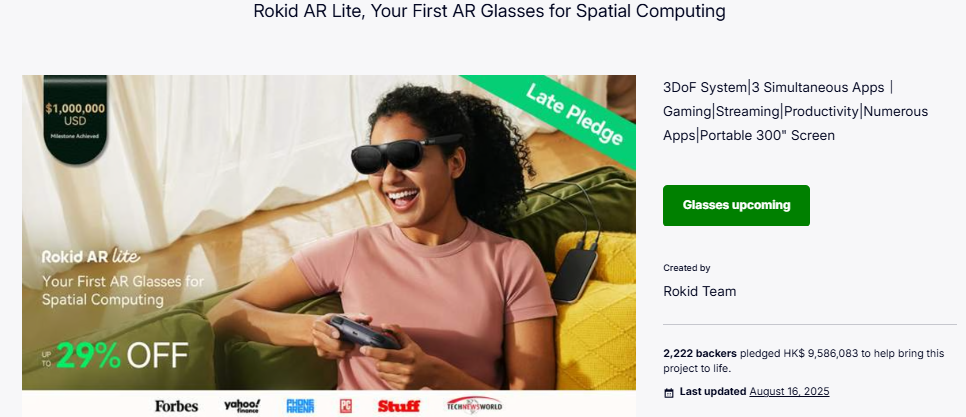
In 2024, the Rokid AR Lite smart glasses crowdfunding campaign on Kickstarter successfully raised over HK$9.58 million (approximately US$1.22 million), garnering support from 2,222 backers. Throughout the campaign, Rokid actively promoted the product's technical highlights via its official website and press releases, quickly reaching its predefined milestones.
Post-Campaign Engagement and Early Backer Feedback
Following the successful crowdfunding campaign, Rokid continued to provide updates on production and logistics via Reddit and Kickstarter. Concurrently, community discussions emerged regarding shipping costs, firmware performance, and frame rate fluidity, reflecting early backers' keen interest in product delivery details and real-world user experience.
Product Core Selling Points
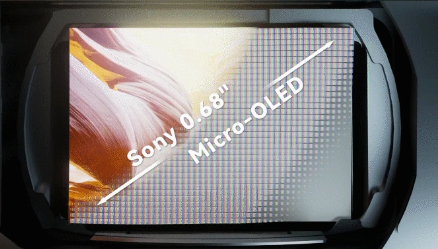
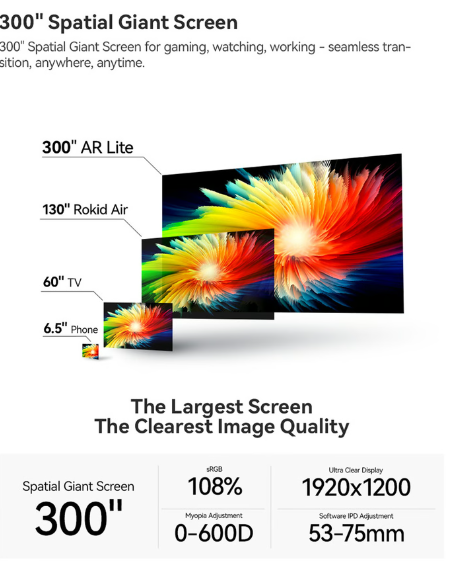
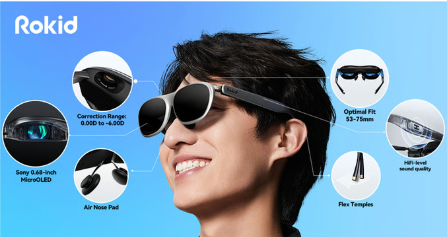
**Immersive Large-Screen Experience with Micro-OLED Display** The Rokid AR Lite utilizes micro-OLED panels to simulate an expansive 300-inch virtual screen. It delivers a high-specification display experience with near 1200p resolution, a 120Hz refresh rate, and approximately a 50° field of view, ensuring exceptional image clarity and visual immersion.
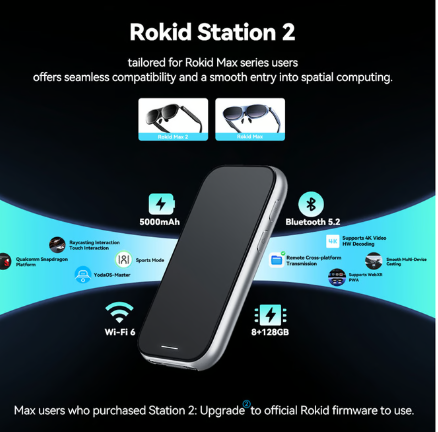
**Lightweight Design and Station Ecosystem** Featuring a modular design that combines the AR glasses with an external Station2/Hub, the Hub supports multiple USB-C configurations. This allows it to activate dock mode for devices like the Nintendo Switch and simultaneously charge smartphones, extending AR use cases from mobile devices to gaming and streaming.
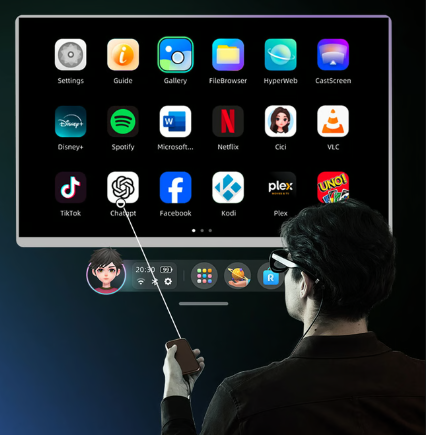
**Spatial Computing with Multi-Window Experience** The device supports true spatial computing, enabling multiple independent windows and applications to run concurrently. Powered by the customized YodaOS-Master system, it offers deep compatibility with the Android ecosystem, facilitating diverse applications such as multi-screen office work, media consumption, and cloud gaming.
**Competitive Pricing Advantage** Positioned as a lighter, more portable, and more affordable AR viewing and screen-casting device compared to high-end all-in-one products like the Apple Vision Pro, the AR Lite has been lauded in comparative reviews for its excellent picture and sound quality, offering strong value for money.
**High-Performance Chip Platform** Equipped with the Qualcomm Snapdragon 6 Gen 1 mobile platform, a relatively new SoC processor for the mid-range market, the AR Lite effectively drives display and tracking functions, ensuring robust overall performance.
About Rokid
Rokid positions itself as a specialized manufacturer of AR and wearable devices, with a long-standing commitment to developing a comprehensive ecosystem that includes AR smart glasses like the Rokid Max/Max 2 and accompanying Station devices. The company emphasizes the evolving application of 'AI+AR' in daily entertainment and productivity scenarios. Rokid's modular product philosophy involves 'lightweight glasses + optional external Station for computing and interaction,' offloading heavy-duty functions to the external Station while maintaining the glasses' portability, thus achieving an effective balance between portability and functionality.
Regarding community engagement, Rokid consistently communicates production progress and product updates with users through Kickstarter updates, Reddit communities, and official website news. However, community feedback also indicates that users still have concerns about shipping costs, firmware compatibility, and performance issues such as frame rate and battery life. This suggests that the brand needs further optimization and control in delivery execution and customer service.
AR Smart Glasses Market Analysis
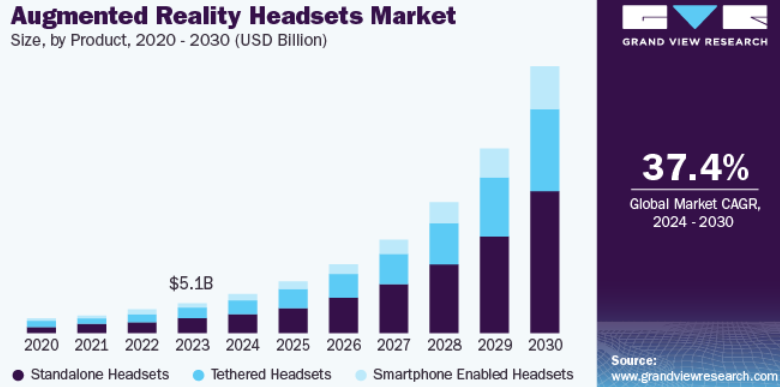
The AR smart glasses market is currently at a critical turning point. Industry analysts and mainstream media widely agree that the market is experiencing a significant rebound in 2024-2025. Key drivers include continuously decreasing hardware costs, maturing display panel technologies, deeper integration of AI functionalities, and the ongoing refinement of application ecosystems.
Multiple authoritative market research firms predict that this market will maintain rapid growth, with a projected double-digit compound annual growth rate (CAGR) between 2024 and 2030. The industry's scale varies from billions to tens of billions of US dollars, depending on the statistical methodology. In the short term, development will proceed along two parallel paths: consumer and enterprise.
In terms of the competitive landscape, the market exhibits a clear stratified competition. The high-end market is exemplified by the Apple Vision Pro, positioned for the ultra-premium segment, offering a complete experience at a high price point. Large manufacturers like Meta possess broader ecosystem advantages in the VR/mixed reality space, with their collaboration with Ray-Ban also driving the wearable trend.
The mid-to-low-priced lightweight AR glasses market is highly competitive. Manufacturers such as Xreal, Viture, Solos, and RayNeo are all launching lighter, more portable 'AR screen replacement' products. These primarily attract users through portability, price advantage, and consumer-grade experience. Rokid's market positioning significantly overlaps with these competitors, especially in applications like media viewing, streaming, and portable displays.
Regarding market opportunities, the entire industry is transitioning from an experimental phase to a scalable consumer period. Consumer demand for portable large screens, immersive viewing, and convenient multi-window office work continues to rise.
The device supports true spatial computing, enabling multiple independent windows and applications to run concurrently, and through the customized YodaOS-Master system, it offers deep compatibility with the Android ecosystem, facilitating diverse applications such as multi-screen office work, media consumption, and cloud gaming.