Spiny2: $349 E-Bike Conversion Kit Raises Over $300K, Promises 3-Second Install
Campaign Teardown · · PledgeRadar Editorial
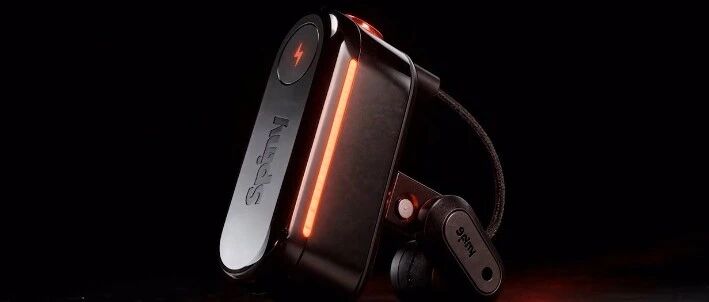
Spiny2, the second-generation detachable electric assist module from SpinyEVSolutions in Alicante, Spain, integrates a motor and battery into a 2.2 kg unit. It provides power by frictionally engaging the rear tire and can be installed or removed in just three seconds after its bracket and sensors are in place. This system targets cyclists who wish to retain their existing bicycle while gaining assistance for commuting and hill climbing.
Campaign Overview
Spiny2 launched on September 30, 2026, raising just over $300,000 by the campaign's end. The average pledge was approximately $418 per backer, exceeding the $349 base price, suggesting a significant number of backers opted for extra batteries or dual-kit packages. The campaign's marketing focused on a single, compelling message: transforming a regular bike into an e-bike in three seconds. This quick installation process was visually impactful for short video content, making it more digestible than technical motor specifications. Early bird pricing at $339 for the first 72 hours, along with limited-time tiers offering a complimentary spare battery, created urgency for initial purchases.
Key Product Features
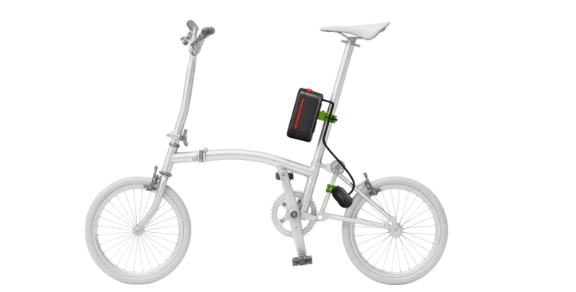
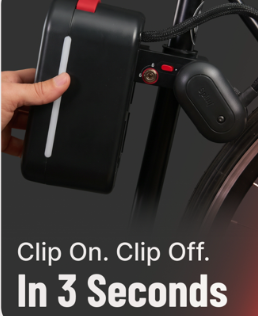
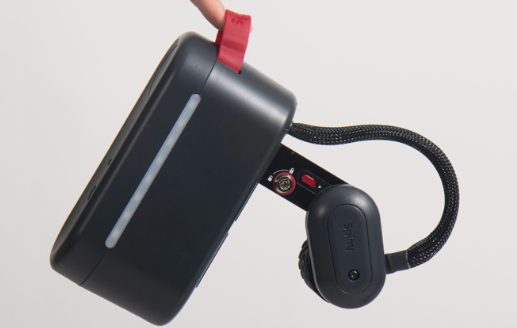
The system boasts a three-second installation and removal process. Once the bracket is secured to the seat post and the cadence and speed sensors are in place, the integrated motor and battery unit simply clips on or off. No wiring or wheel removal is required.
This design's primary value lies in its reversibility, allowing users to commute with assistance during the week and revert to a standard bicycle for weekend rides. However, the design requires approximately 7 cm of clearance between the bike frame and the rear wheel, making it incompatible with full-suspension bikes. Bikes with rear fenders may need an opening where the roller contacts the tire, and narrow-frame bikes require an additional Sport adapter. A specific Brompton adapter is available for folding bikes.
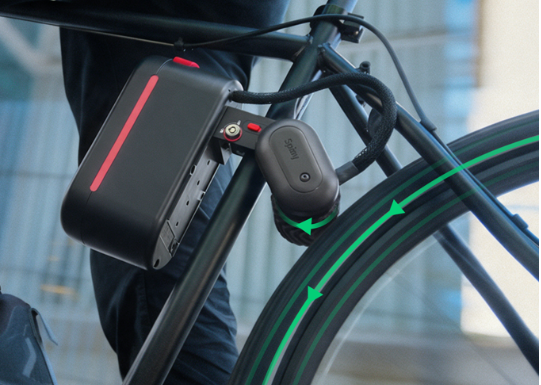
The friction roller directly engages the rear tire tread to transmit power, leaving the wheelset and drivetrain untouched. The system has a rated power of 250W. The US version offers a peak power of 750W, 35 Nm of torque, and assists up to 32 km/h. The Canadian version has a peak power of 500W, while the UK and EU versions are limited to 250W and 25 km/h.
Compared to hub motors and mid-drive motors, this design minimizes modifications to the original bicycle. SpinyEVSolutions uses a dual-material friction pad for an anti-slip contact surface, claiming it prevents slippage in rain, mud, or snow. However, media reviews, such as one from Techaeris, have noted that wet tire slippage and mutual wear between the roller and tire remain persistent challenges for friction-drive systems.
The 266Wh battery is integrated into the motor module, offering a nominal cycle life of over 800 charges. It fully recharges via USB-C in approximately 4 hours, compatible with laptop chargers and power banks. The official maximum assisted range is stated as 90 km, though this is under ideal test conditions and actual range will vary based on terrain, rider weight, and assist level.
The system uses cadence and speed sensors to detect riding status. Upon detecting pedaling, the motor engages the roller with the tire in approximately 0.25 seconds. When pedaling stops, the roller automatically disengages, allowing the bike to coast like a standard bicycle.
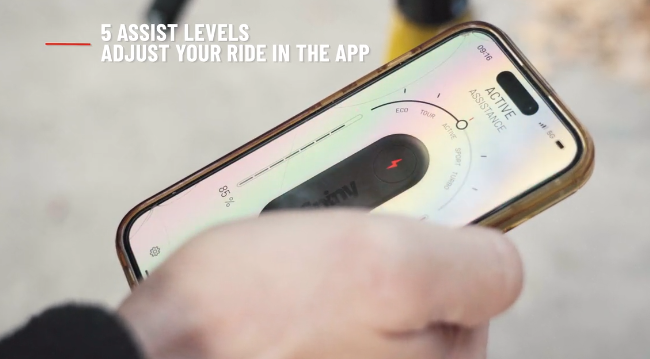
Assistance is available in five levels, switchable via a Bluetooth app or an optional remote control. The effectiveness of this mechanism determines the naturalness of the ride feel. The ability of the sensors to maintain stable detection and the smoothness of roller engagement on bumpy roads or during frequent stops and starts are critical, but currently, only brand demonstrations are available, with no independent road tests conducted.
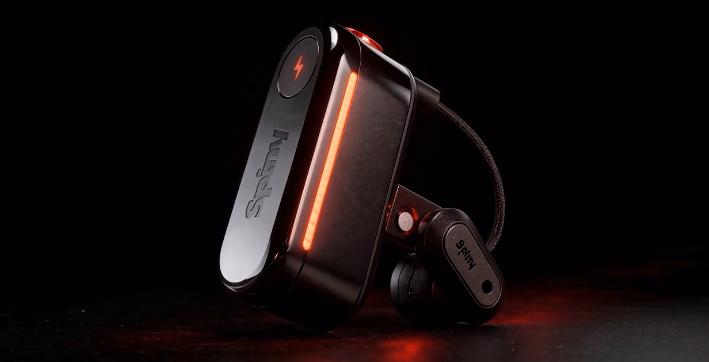
The entire unit measures 225×200×90 mm and weighs 2.2 kg, with an IP65 protection rating. The design philosophy for security is to detach the module and carry it indoors, leaving only the bracket and sensors on the bike, which are not considered valuable theft targets. For short stops, an optional anti-theft lock can secure the module. However, an additional 2.2 kg can be a burden for commuters already carrying laptops, making this security approach somewhat impractical.
Spiny's operations are based in Alicante, Spain. The team developed its first functional prototype in 2020, followed by small-batch trial production and sales in 2021. The first-generation product was priced at €499.99 on its official website by late 2024 and sold through the website, Decathlon, and bicycle shops in Germany, Italy, Spain, and Turkey. The brand states that the second generation was developed based on feedback from approximately 500 European users.
Global Market Analysis
According to Market Research Future, the global market for e-bike conversion kits is estimated to reach approximately $1.85 billion by 2025, with a compound annual growth rate (CAGR) between 10% and 12%.
Among its direct competitors is the US brand CLIP, which offers front-wheel-drive, tool-free installation kits. The Commuter version is priced at $499 (96Wh, approximately 6 miles range, 8.8 lbs, 15 mph), and the Explorer version at $599 (192Wh, approximately 12 miles range). Online reviews suggest CLIP's products are not waterproof, making them unsuitable for wet weather riding, and cannot be used with suspension forks.
Skarper, another competitor, takes a different approach, replacing the disc brake rotor for installation. It offers 250W and 45 Nm of torque, with the entire kit adding approximately 4 kg to the bike's weight. Its reported starting price in 2024 was around £1295.
Spiny2, with its $349 price point, 266Wh battery, and 2.2 kg weight, appears competitive in terms of capacity, weight, and initial price. However, its anticipated official retail price of approximately $560 is higher than CLIP's entry-level model. The core risks for Spiny2 stem from the long-standing issues of friction drives: traction on wet surfaces, tire wear, and varying national regulations regarding power output and speed limits. Prospective buyers should verify local vehicle classifications before purchase.
Wet tire slippage and mutual wear between the roller and tire are old problems that friction drives have never solved.