Tundra Tracker: A $1.37 Million SteamVR Crowdfunding Campaign's Delivery Challenges
Crowdfunding Analysis · · PledgeRadar Editorial
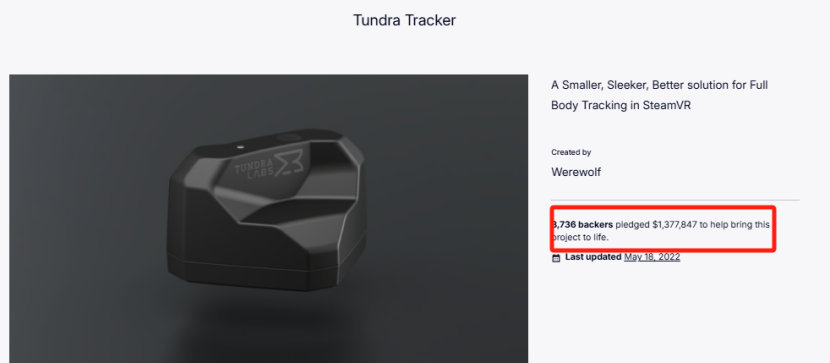
On March 29, 2021, the Tundra Tracker launched its 60-day crowdfunding campaign on Kickstarter. The project successfully attracted 3,736 backers and raised a total of $1.37 million, demonstrating a significant market demand for full-body tracking devices within the SteamVR community.
Product Core Features
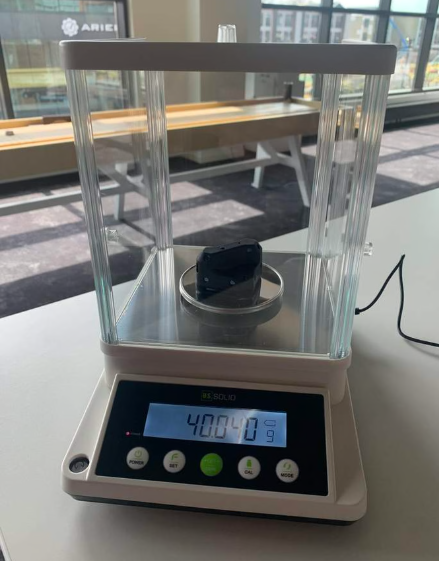
The Tundra Tracker's hardware design prioritized a lightweight and compact form factor. Each tracker weighs only 40-50 grams and measures a mere 50.2 × 50.2 × 38.5 millimeters. Its 'no-corner' design minimizes the risk of snagging on cables, while optimized weight distribution enhances stability during wear, aiming to provide users with a more comfortable experience.
Equipped with an 850mAh high-capacity battery, and leveraging low-power design alongside sensor optimization technology, the Tundra Tracker promised an average of 7 hours of continuous use. This battery performance was positioned as a leading feature among similar products, designed to alleviate 'battery anxiety' during extended VR sessions.
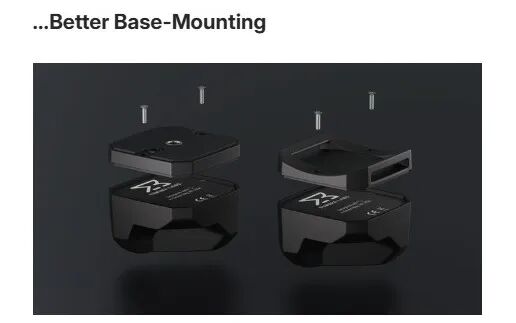
The product included two types of mounts: a shoelace/strap loop and a standard 1/4-inch screw hole, catering to various wearing scenarios. Notably, Tundra Labs also provided complete CAD files, allowing users to 3D print custom solutions tailored to their individual needs.
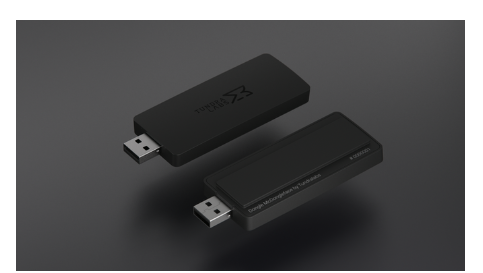
The innovative SuperWirelessDongle, playfully named 'DongleMcDongleface,' was offered in SW3, SW5, and SW7 versions, supporting simultaneous connections for 3, 5, and 7 devices respectively. This adapter utilized Valve's universal firmware, ensuring seamless compatibility with various SteamVR devices like the Valve Index, Vive controllers, and Vive Trackers. Its design was optimized to fit the Index's front compartment, and it also supported direct PC connection via an extension cable.
The Tundra Tracker incorporated four optical sensors arranged in a unique 'folded' geometric configuration. Three sensors formed a planar baseline, while the fourth was positioned to maximize its distance from the others. This carefully engineered sensor layout was designed to optimize the precision and reliability of SteamVR's body tracking algorithms, ensuring superior tracking performance.
Company Background and Delivery Challenges
Tundra Labs, founded in 2018 and headquartered in Green Bay, Wisconsin, was established by Luke Beno, an industry expert with a strong background in VR technology. Beno's experience included direct involvement in the development of Valve's SteamVR sensor ASICs during his tenure at Triad Semiconductor. His engagement with SteamVR tracking technology dates back to 2015, culminating in the official formation of Tundra Labs in 2018. The company aimed to provide high-performance tracking solutions to hardware OEMs, launching its first integrated TL448K6D-VR system package and developer kit (TL448K6D-HDK) in 2020.
Despite this promising background, a significant number of Tundra Tracker Kickstarter projects have reportedly not been delivered. The current status of these outstanding pledges remains unclear, leading to considerable frustration among backers.
Market Outlook and Competitive Landscape
The global VR full-body tracker market is experiencing rapid growth, with an estimated size of $150 million in 2024. Projections indicate a substantial expansion to approximately $1.2 billion by 2033, driven by a compound annual growth rate (CAGR) of 25.5%. This robust growth is fueled by the expanding range of application scenarios. Beyond traditional gaming and entertainment, full-body tracking technology is increasingly adopted in professional fields such as medical training, education, sports training, and industrial simulation, continuously broadening market demand.
Geographically, the North American market currently holds the largest share, primarily due to the early adoption and high user acceptance of VR technology in the region. Concurrently, the Asia-Pacific and European markets are demonstrating rapid growth, contributing new momentum to the global market expansion.
In terms of competition, the market features established players like HTC Vive, Valve Index, Meta Platforms, Sony, and Microsoft, alongside emerging brands such as SlimeVR. The Tundra Tracker, with its lightweight design and cost-effectiveness, quickly gained traction in its niche, offering users a more diverse choice. As VR technology matures and application scenarios further expand, the full-body tracker market is poised for even greater development.
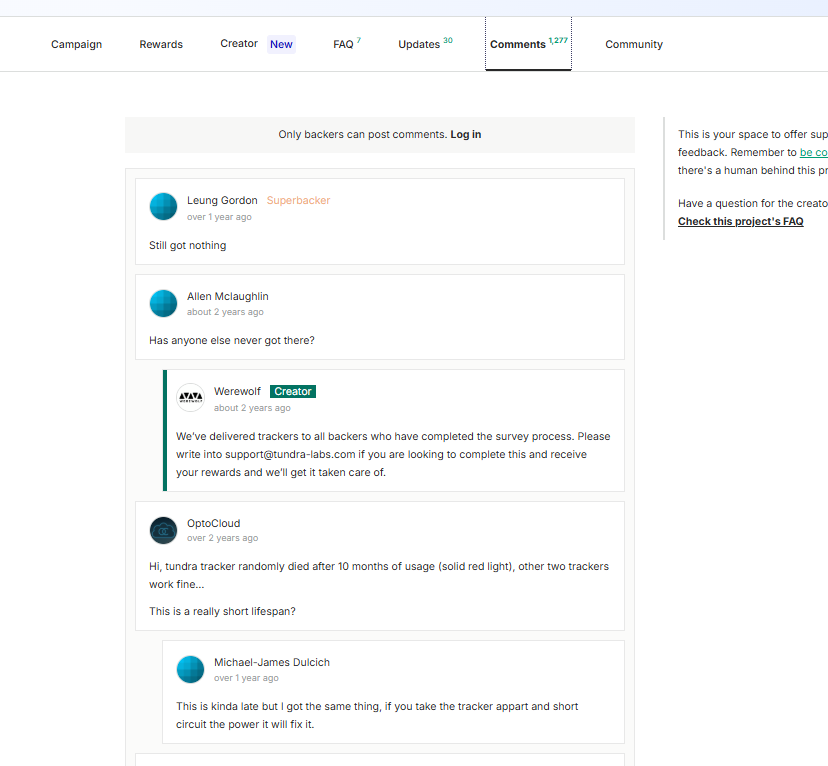
The frustration among backers is palpable, with many demanding answers and refunds for undelivered pledges.