TICKEY: Color E-Paper Display Raises $200K in 10 Days on Kickstarter
Campaign Teardown · · PledgeRadar Editorial

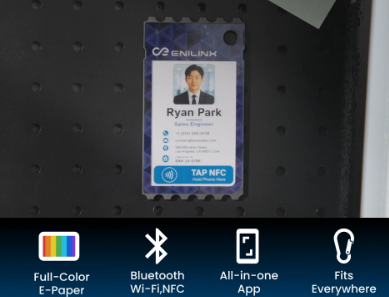
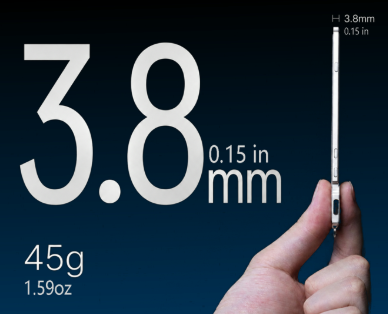
TICKEY is a customizable color e-paper display developed by a Shenzhen-based team. Featuring a 3.7-inch screen with over 48 native colors powered by Modos, users can edit patterns via a mobile app and attach it to backpacks, place it on desks, or wear it as an ID badge. It also supports NFC and QR code sharing for personal links, positioning itself as both a portable personalized digital identity card and a low-power desktop display. Launched on Kickstarter on August 11, 2026, TICKEY quickly secured over $200,000 from more than 2,000 backers within its first 10 days.
Product Core Selling Points
**Color E-Paper Screen: 48+ Native Colors, 3-Second Refresh**
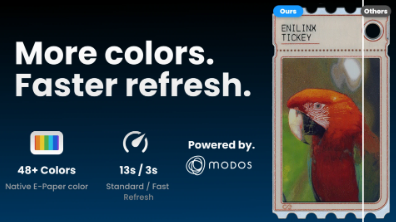
The TICKEY utilizes a color e-paper panel from Modos, natively supporting over 48 colors—a richer palette than most consumer-grade color e-paper devices—with a refresh rate as fast as 3 seconds.
Traditional e-paper has long been limited by monochromatic displays and slow refresh rates, with many products still confined to black, white, and gray, or requiring several to tens of seconds for a refresh. The combination of 48 colors and a 3-second refresh means TICKEY can display visuals closer to real images, rather than just simple icons or text. However, the actual display quality, including color accuracy compared to phone screenshots and real-world visibility under various lighting conditions, will require hands-on reviews post-delivery for full verification.
**Zero-Power Persistent Display & Long Battery Life**
A key physical characteristic of e-paper is its zero power consumption when the image is static; the display remains visible even when powered off. Official lab tests indicate that a single charge can support over 1,000 refreshes. This allows TICKEY to function as a long-term static display on a bag or desk without frequent recharging or concern about the screen going blank due to low battery—a fundamental difference from backlit portable devices. It's worth noting that lab test data typically represents optimal conditions, and actual refresh counts may vary based on screen content complexity and ambient temperature.
**NFC Tap-to-Share & QR Code Functionality**
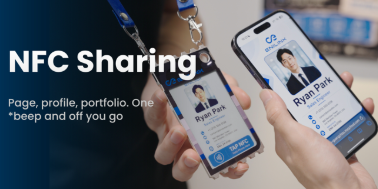
TICKEY integrates an NFC chip, allowing users to tap it against a smartphone to instantly redirect to a pre-set web link, such as a personal homepage, portfolio, or social media profile. A QR code is also provided as a compatible alternative.
The official documentation clarifies that this NFC functionality is solely for link redirection and does not support access control, payment, or other identity verification features; this limitation should be understood before purchase. For individuals who frequently attend exhibitions, social events, or need to quickly share contact information, this feature transforms a simple display into a lightweight digital business card.
**ESP32-S3 Microcontroller & Open Firmware**
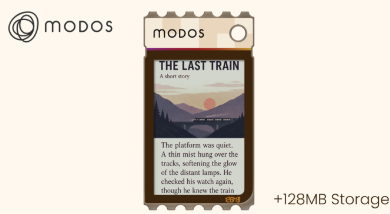
The device is powered by an ESP32-S3 microcontroller, a platform with a well-established developer community, according to the official statement. This implies that users can theoretically develop custom functionalities based on the open firmware.
For general users, this could mean a continuously evolving app ecosystem and template library fueled by community contributions. For hardware enthusiasts, it offers the potential to transform TICKEY into a customized low-power display terminal. The true value of this openness, however, will depend on the completeness of the open firmware documentation and the vibrancy of the community, which remains difficult to assess in the early stages of the project.
**Multi-Scenario Adaptability & Companion App**
TICKEY is designed for multi-scenario adaptation, allowing it to be clipped onto the exterior of a backpack as a customizable accessory, placed on an office desk for task reminders or as a clock, or even attached to a refrigerator as a weather panel or family message board.
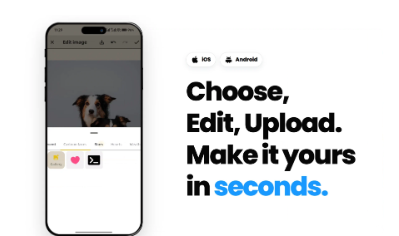
The accompanying app provides a comprehensive workflow for connecting, editing images, selecting functions, dynamic pixels, and utilizing pre-made templates. It also includes a gallery feature that supports automatic image switching based on a schedule.
This multi-scenario positioning means the product's actual usage frequency will depend on users establishing their own consistent habits, rather than being driven by a single use case. While this offers flexibility, it also introduces uncertainty regarding how well the product will truly integrate into daily life.
Team Background
Based on the project description, TICKEY appears to be developed by a Chinese team, specifically a Shenzhen-based company focused on maker and productivity hardware. This team emphasizes continuous product iteration through user feedback. Their portfolio includes another product, Flexbar, a customizable desktop touchscreen shortcut keyboard for creators and streamers, which has already established a market presence.
Global Market Analysis
The global e-paper display market is in a continuous expansion phase, with various institutions estimating its size from approximately $2.65 billion to $6.74 billion in 2024. Most reports project a Compound Annual Growth Rate (CAGR) of 10% to 32% between 2025 and 2034, with some forecasting the market to reach tens of billions of dollars by 2033-2035. Key drivers for this growth include the accelerating adoption of electronic shelf labels in retail, sustained demand for low-power displays in wearables and portable devices, and the maturation of color e-paper technology, extending its application beyond e-readers to broader consumer electronics.
Within the specific niche of portable e-paper accessories, the market currently appears to have a significant void. Most color e-paper products are concentrated in B2B and large-screen applications like electronic shelf labels, digital signage, and e-readers. Small, portable color e-paper devices aimed at individual consumers are uncommon. Closest reference products include e-paper luggage trackers like PhotoTag, which focus on e-ink personalization and waterproof luggage retrieval but are primarily for item tracking rather than daily display. TRMNL, on the other hand, is a wall-mounted e-paper information screen for desktop and home use, lacking portability. TICKEY, with its combination of 'portable + color + fast refresh + NFC sharing,' currently lacks direct mature competitors, giving it a relatively clear differentiated position.
Primary market risks include the inherent physical limitations of color e-paper compared to monochrome in terms of color saturation and brightness. Whether it can meet consumer expectations for visual appeal will be crucial for product adoption and word-of-mouth. Additionally, long-term user engagement for niche accessory hardware has historically been a challenge across the industry; the product's true lifecycle will depend on its reusability once the novelty wears off.
TICKEY, with its combination of 'portable + color + fast refresh + NFC sharing,' currently lacks direct mature competitors, giving it a relatively clear differentiated position.