KAT Walk C2: VR Treadmill Raises $2.1M on Kickstarter, Navigating Delivery and User Experience
Crowdfunding Analysis · · PledgeRadar Editorial
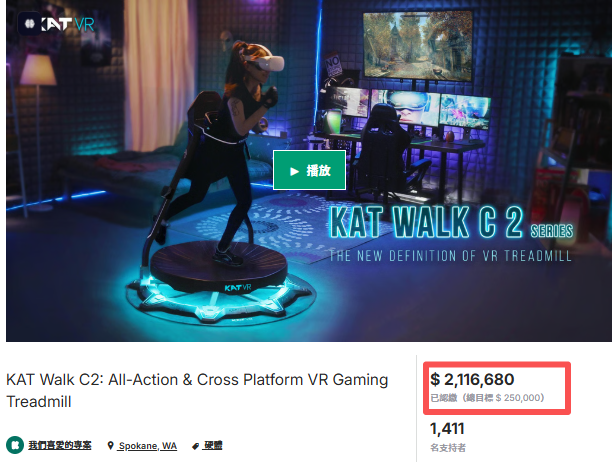
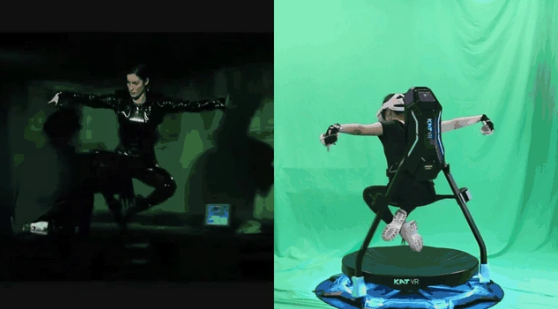
The KAT Walk C2 VR treadmill successfully concluded its Kickstarter campaign, garnering support from 1,411 backers and raising approximately $2.117 million. While the project page and official FAQ initially indicated shipments would begin by July 2022, the manufacturer did organize phased deliveries, with official social media channels posting shipping notices in subsequent months. However, some regions experienced delays and inconsistent distribution. User reviews and unboxing videos on YouTube and Reddit show many content creators praising the C2 for significantly enhancing immersion, with some integrating it into their daily setups. Yet, common complaints also emerged regarding shipping delays, lengthy international logistics, a steep learning curve, and physical fatigue. Overall, a substantial number of users have received the product and provided positive feedback.
Key Product Features and Technical Analysis
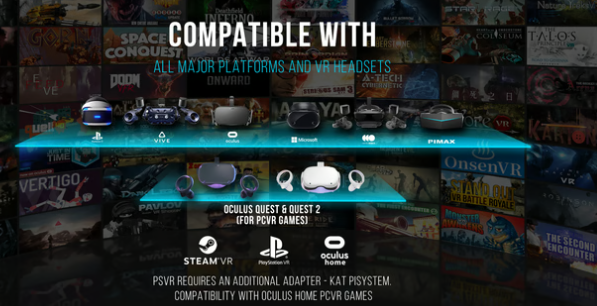
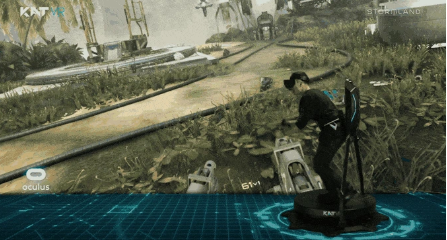
**Cross-Platform Support:** KATVR officially claims support for all free-locomotion games, covering platforms like SteamVR, Oculus Home, and PSVR. Compatibility with Quest is achieved through third-party wireless solutions such as AirLink or Virtual Desktop. While this broad compatibility is highly appealing to players, it necessitates continuous software adaptation and driver updates. It's important to note that Quest support relies on third-party wireless transmission rather than native SDK integration, which could lead to differences in input mapping and latency compared to native solutions.
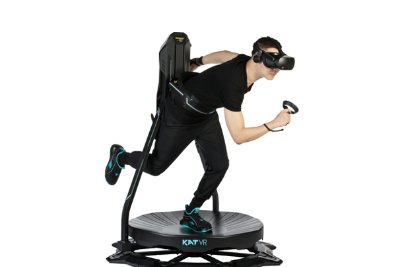
**High-Precision Motion Capture:** The official technical specifications boast impressive figures: latency ≤10ms, distance accuracy ≤0.12mm, and direction accuracy ≤0.3°. This system employs optical 2D footprint tracking combined with a proprietary algorithm to achieve 1:1 speed and distance mapping. From a technical standpoint, these metrics are achievable, and many reviewers have indeed reported a more natural walking response. However, it's crucial to recognize that stated values are often measured under ideal conditions. Real-world home environments, with factors like floor friction, variations in shoe covers, dust accumulation, and long-term wear, can all impact stability. For multiplayer or competitive games, even minor errors can be amplified, requiring the manufacturer to ensure a stable experience through extensive iteration in real-world scenarios.
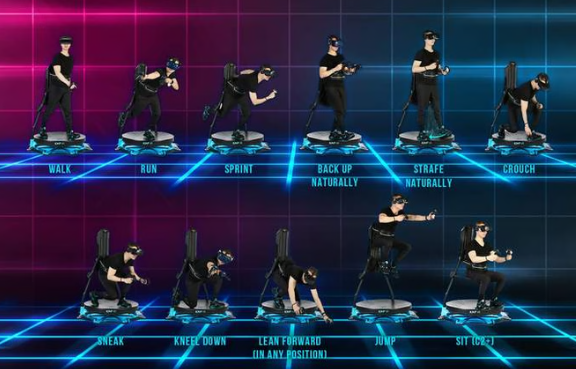
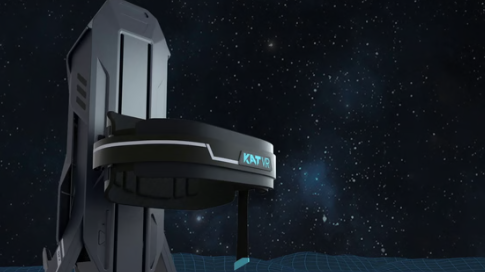
**Multi-Posture and Interaction Modules:** The C2+ model extends beyond basic walking, running, and turning, incorporating features like seated posture simulation, a vehicle cabin mode, and built-in haptic feedback. This allows for greater freedom of upper body movement, leaning, and crouching. These expanded capabilities significantly broaden the range of gameplay, making the device attractive for driving simulators and social VR experiences. However, the addition of new hardware modules introduces more potential points of failure, higher material costs, and increased complexity in mass production and after-sales processes. Furthermore, the actual experience of haptic and seated modules largely depends on the level of support from game developers; if these features fail to integrate with mainstream game protocols, their value could be significantly diminished.
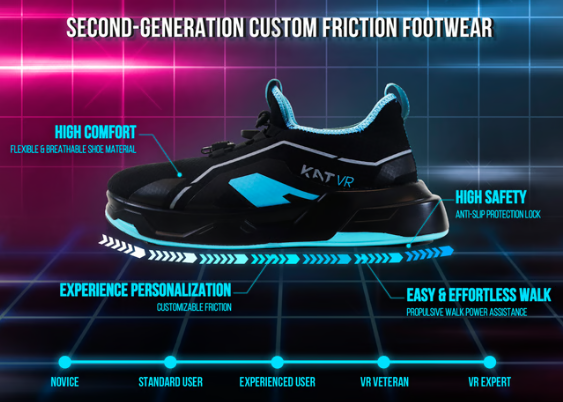
**Assisted Walking and Safety Design:** The brand has implemented DuplexKinetics and a power-assisted system to reduce physical fatigue, shorten the learning curve, and extend playtime. Safety features include a form-fitting harness, four-layer protective straps, and an optimized center of gravity. A core challenge for VR treadmill products is not just enabling movement, but ensuring it's safe and injury-free. KATVR has invested heavily in these design aspects, but whether comfort and safety can be consistently maintained in long-term home use still requires more user feedback and long-term reliability data for validation.
KATVR: Company Profile and Strategy
KATVR is a virtual reality technology company headquartered in Hangzhou, China, primarily known for its KATWALK series of VR treadmills. Founded in 2013, the company has consistently focused on the research and development of VR treadmill hardware and software.
Regarding funding, public information indicates that KATVR secured approximately $1 million in angel/seed funding in 2016. In 2021, the company's official website mentioned receiving a Series A+ funding round in the tens of millions of RMB, earmarked for R&D and overseas market expansion. Third-party databases such as Tracxn and PitchBook also record multiple funding rounds for KATVR, though specific figures may vary across sources.
Operationally, KATVR targets both home consumers and commercial clients, including VR experience centers and training facilities, selling its products through various channels such as its official website and Amazon. The company has consistently launched multiple product generations (C, C2, Mini, etc.) and utilizes crowdfunding platforms like Kickstarter to validate market demand.

VR Treadmill Market Landscape
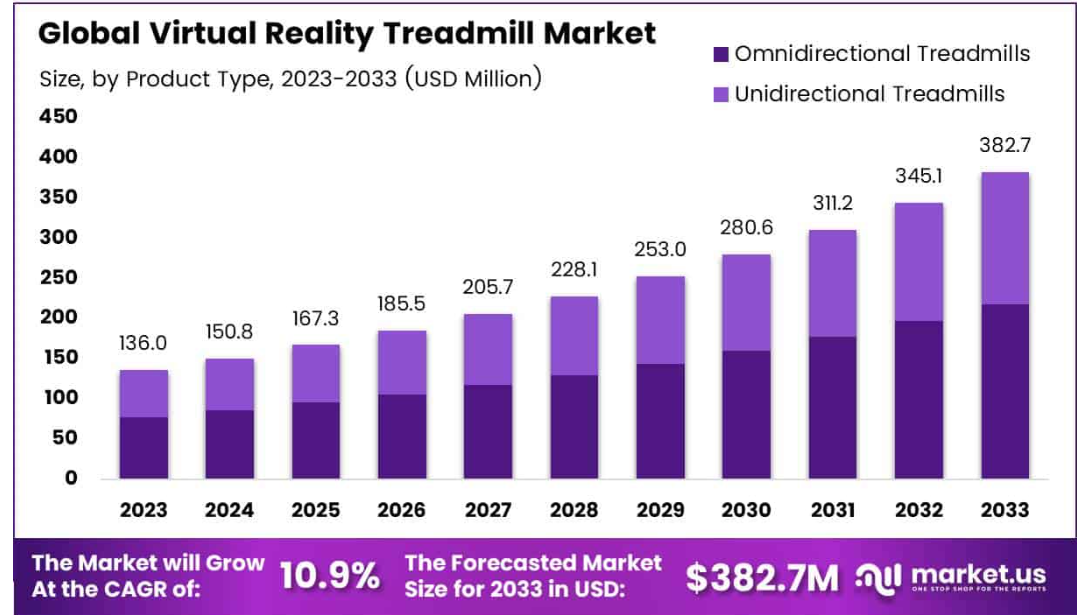
The VR treadmill market is currently a niche but high-growth segment. Estimates for market size vary significantly among different research institutions, primarily due to differing statistical methodologies. Conservative estimates from organizations like Market.us suggest a market base in the tens of millions to one or two hundred million USD for 2023-2024, with projections reaching approximately $383 million by 2033, representing a compound annual growth rate (CAGR) of about 10.9%.
Other institutions, which combine commercial venues, education, military, home consumption, and related software services, project the market size to reach several billion dollars by 2030-2033, with a CAGR between 10% and 30%. Overall, the current market size is estimated to be in the tens to hundreds of millions of dollars; if commercial and training scenarios are included, it could expand to several billion dollars within the next 5-10 years.
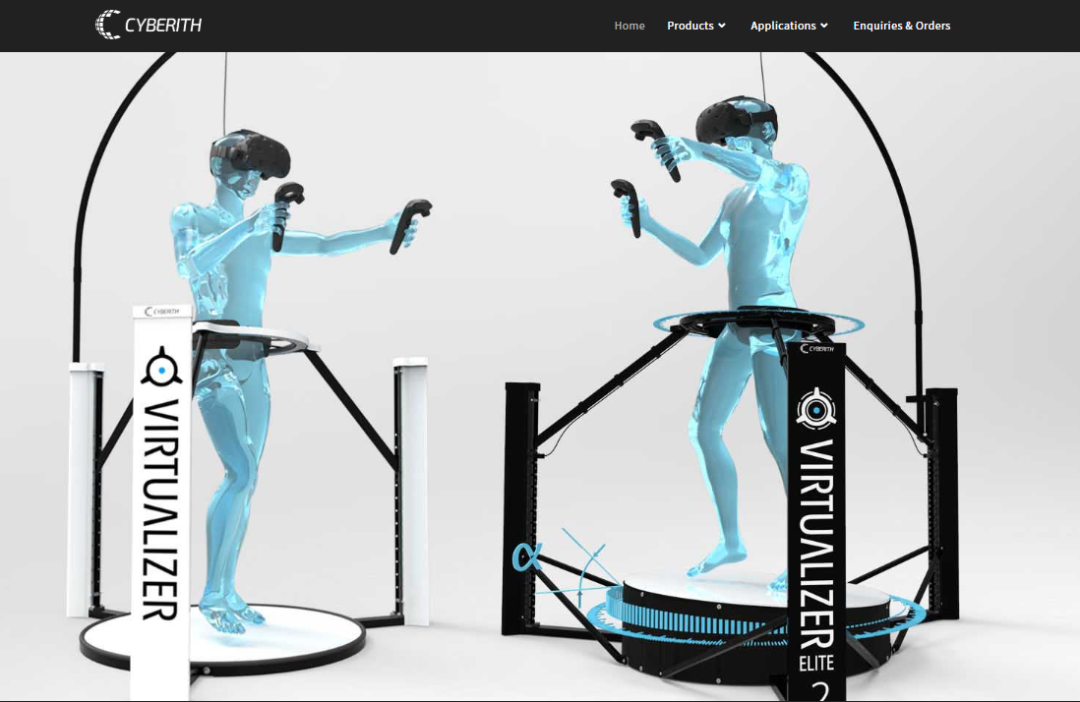
In terms of the competitive landscape, key players include: Virtuix (USA, Omni series, known for early crowdfunding and covering both commercial and home markets); Cyberith (Austria, Virtualizer series, leaning towards professional commercial and film production); Infinadeck (targeting high-end commercial and demonstration uses); and suppliers of lower-cost alternatives like Walk OVR. KATVR positions itself to cover both consumer and commercial segments, emphasizing a rich product line and broad platform compatibility.
This sector currently faces several core challenges: price and physical size limit the speed of home adoption (typically starting at several thousand dollars, with significant space and weight concerns); the learning curve and physical fatigue deter some players; the maturity of the software ecosystem directly determines whether products will be adopted long-term; and the ability to provide after-sales service, repairs, and spare parts for complex equipment will be a key differentiator for brands. VR treadmills represent a niche with high technical barriers but significant potential. In the short term, the primary market consists of experience centers and hardcore enthusiasts, but with decreasing costs, improved compatibility, and enhanced after-sales support, widespread home adoption is a real possibility, making it a segment worth continuous attention over the next 5-10 years.

Overall, a large number of users have received the product and given positive feedback, with many content creators stating the C2 significantly enhances immersion and has become part of their daily setup.